

Can Cubic Zirconia Get Wet? What Jewelry Owners Need to Know
Let me start with a quick truth: when you’re traveling, you probably never think about whether the sparkle on your finger can survive a splash of rain or a quick shower. But the reality is that every piece of jewelry, even those made from brilliant cubic zirconia, will feel the wet test.
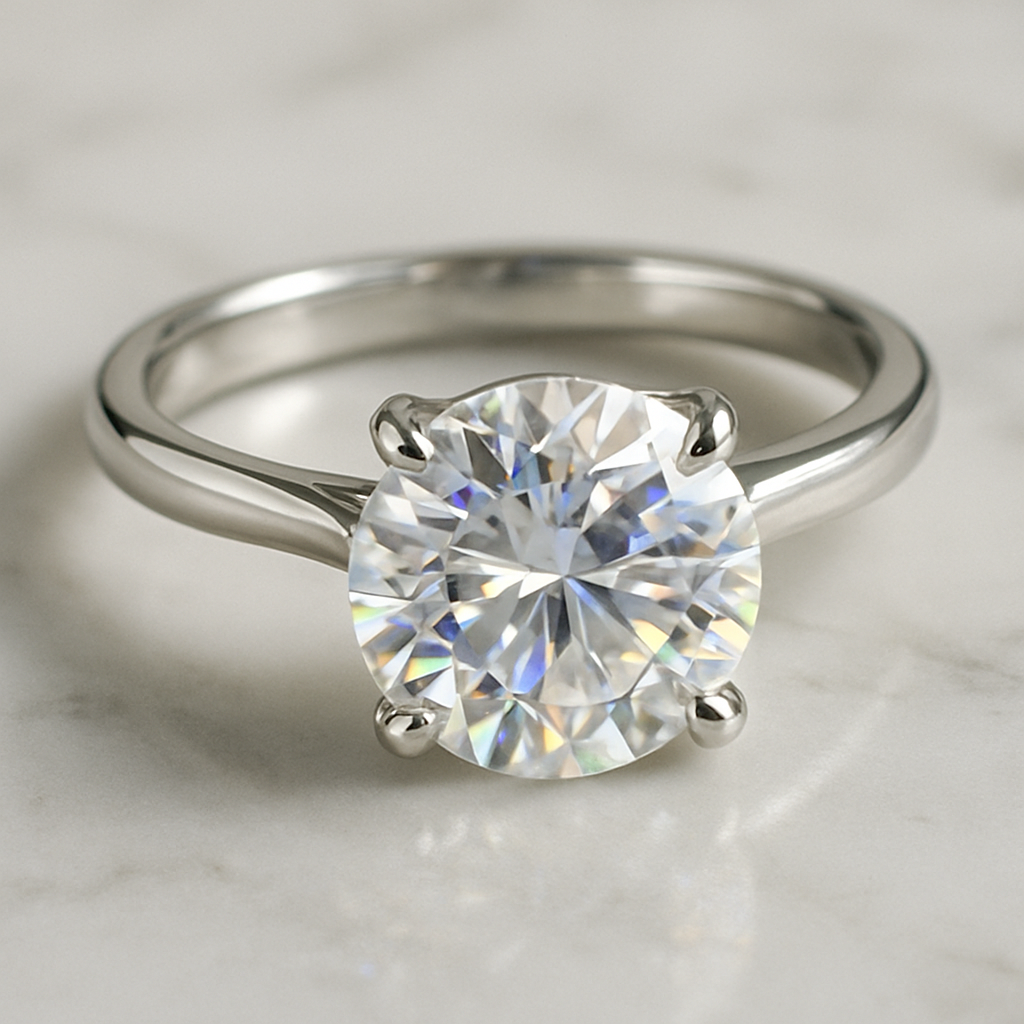
Cubic zirconia is a synthetic crystal that mimics the brilliance of diamonds, and that’s why it’s a favorite for cost‑effective engagement rings and everyday statement pieces. In our experience, the crystal itself is water‑resistant—there’s no chemical reaction that turns it into mush. However, the metal setting that holds the stone is the real weak spot. If the setting is loose or the metal is thin, water can seep in and cause corrosion or tarnish. A ring like our Round Cubic Zirconia Solitaire Engagement Ring is crafted with a secure halo setting that keeps the stone in place and protects against accidental splashes while you’re on the go.
Think about that last flight you took. You probably left your ring in a carry‑on bag, hit the jet‑lagged bathroom, and splashed water everywhere. If your setting isn’t loose, the metal could start to oxidize right after you step back onto the tarmac. To avoid this, give your piece a quick rinse with cool water, pat it dry, and apply a thin coat of jewelry wax. This simple step blocks moisture from seeping in and keeps that shine intact.
When you’re packing for a beach vacation, you’re not only worried about sand, but also about saltwater. A quick test: put your ring in a small bowl of salt water for 24 hours and observe. If the metal turns dark, you’re looking at a setting that needs reinforcement. In that case, a professional jeweler can recut the band or add a protective plating.
Now, if you’re looking for a way to keep all your accessories dry without adding bulk, check out a smart travel case. The Plug & Carry collection offers waterproof organizers that fit both jewelry and electronics, a must‑have for the jet‑setting style icon. Plug & Carry offers compact, moisture‑proof cases that won’t weigh you down.
Bottom line: cubic zirconia itself is fine with water, but the setting is where the drama happens. Keep your setting tight, give it a quick rinse, and protect your gems with a lightweight travel case—then you can enjoy that sparkle whether you’re at the airport or on a sun‑kissed balcony.
TL;DR
When you wonder if cubic zirconia can get wet, remember the stone itself is water‑resistant, but the metal setting is the real concern. Keep the setting tight, rinse with cool water, and protect your gems with a lightweight travel case to enjoy sparkle no matter where you go everywhere always.
Understanding Cubic Zirconia: Structure and Water Interaction
Ever wonder if cubic zirconia can get wet? It’s a common concern among jet‑setters who keep their sparkle in sync with a sudden rainstorm.
Cubic zirconia is a synthetic crystal of zirconium dioxide that crystallizes in a cubic lattice—hence the name. Think of it as a tightly packed cube of atoms, leaving no pores for water to soak in.
When water touches the stone, it simply beads off. The surface is hydrophobic, so droplets bounce, and there's no chemical reaction that can dissolve or soften the crystal.
The real drama happens at the metal setting. A loose band or thin gold can corrode when moisture lingers, and that tarnish shows up as a dark halo around the stone.
But the cubic itself? It’s a non‑porous, chemically inert material. No matter if you slip it into a shower or a salty beach breeze, the gem stays brilliant.
Some settings get an extra layer of protection—rhodium plating or a ceramic bezel—that blocks moisture right up to the stone’s edge.
A quick rinse with cool water, a gentle pat, and a light coat of jewelry wax can keep the metal from seeping water in. Think of wax as a tiny moat around the setting.
If you’re heading to a humid safari or a humid coastal city, a smart travel case like the one from Plug & Carry keeps everything moisture‑proof without adding bulk.
And while you’re caring for your jewels, remember that the makeup you wear can leave residue that stains even the finest crystal. RedInk Cosmetics offers vegan, cruelty‑free formulas that wash off cleanly, so your ring stays spotless.
Our favorite go‑to piece for on‑the‑go sparkle is the Round Cubic Zirconia Solitaire Engagement Ring; its halo setting is tight enough to hold up in any weather.
Now, let’s see how this looks in practice—
That video gives a quick visual of how a splash behaves on a well‑set cubic zirconia ring.

Step 1: Cleaning Your Cubic Zirconia Jewelry Safely
Ever wondered if cubic zirconia can get wet? The answer is simple: the stone itself doesn’t soak up water, but the metal setting can rust or tarnish if you’re careless. Let’s walk through the safest routine so your sparkle stays bright.
Gather Your Supplies
Start with a soft‑bristled baby toothbrush, a small bowl, mild dish soap (blue Dawn or any gentle liquid soap), a microfiber cloth, and a clear glass or plastic container. A jewelry pusher or tweezers also help if you’re working on a set ring.
Step‑by‑Step Cleaning Process
1. Warm soapy bath. Fill the bowl with warm (not hot) water, add two drops of soap, and swirl. Dip the ring in for 10–15 minutes. This loosens oils and grime without damaging the CZ.
2. Gentle brushing. Use the baby toothbrush to clean around the stone, prongs, and inside the bezel. Be patient – a few gentle strokes are enough; you don’t want to lift the stone.
3. Rinse and dry. Rinse the ring in lukewarm water, then pat it dry with the microfiber cloth. Avoid paper towels; they can scratch the metal.
4. Polish for a quick shine. A soft cloth will remove fingerprints and give the CZ a fresh look. If you have a jewelry polishing cloth, use that – it’s safe for both the stone and metal.
Quick Tips for Travelers
When you’re packing, slip the ring into a separate pouch or a dedicated jewelry compartment in your luggage. If you’re heading to a beach or pool, rinse the ring with cool, fresh water right after you return. It’s a quick habit that keeps corrosion at bay.
For a deeper dive into safe cleaning practices, Saint Tracy’s guide offers a step‑by‑step video walkthrough that’s hard to beat.
With these steps in place, you’ll never worry that a quick splash or a rainy city street will dim your favorite piece.
Step 2: Daily Water Exposure: What Happens to Cubic Zirconia?
Ever wonder if cubic zirconia can get wet? The short answer is: the stone itself stays dry, but the metal setting can feel the splash. That’s why daily exposure matters more than a one‑time swim.
Imagine a rainy city walk, a quick shower, or a beach dip. Each splash nudges moisture into tiny gaps around the prongs. In a loose setting, that water can linger, creating a breeding ground for tarnish. Over time, you’ll see a dull gray film or a slightly pitted surface.
So, how can you stop it? First, check the setting every few months. Tight, well‑sealed prongs are your best defense. If you notice any looseness, a quick trip to a jeweler for tightening or a protective plating can save your sparkle.
Second, rinse with cool, fresh water after each swim or shower. Pat dry with a microfiber cloth—paper towels are a no‑go because they can scratch the metal. A light coat of jewelry wax adds an extra barrier against moisture.
Third, store your ring in a dry pouch with a silica gel packet. If you’re traveling, slip it into a dedicated jewelry compartment in your carry‑on; that keeps it out of humid airplane bathrooms.
Here’s a quick visual recap of what daily water does to different stones.
Now that you’ve seen the video, let’s dive into the details.
Before you head out, remember this quick checklist:
| Item | Daily Exposure Effect | Preventive Action |
|---|---|---|
| Cubic Zirconia Stone | No absorption, remains dry | Keep setting tight |
| Silver Setting | Oxidizes with moisture | Rinse, dry, wax |
| Gold Setting | Less prone but can dull | Polish monthly |
For a deeper dive into protection tips, Cubic Zirconia care guide offers a solid playbook to keep your ring gleaming through rain or sea spray.
In short, your cubic zirconia stays fine—just guard the setting with simple daily habits, and you’ll keep that shine alive wherever you go.
Step 3: Long-Term Water Exposure: Maintenance Tips for Jewelry Lovers
When you’re out on a weekend trek, the rain can be a real mood‑shaker for your ring. You’re probably wondering: can cubic zirconia get wet? The stone itself stays dry, but the metal setting is the real target. Let’s break down how to keep that sparkle alive over months and years.
1. Inspect & Tighten Regularly
Every few months give your ring a quick visual check. Look for gaps, loose prongs, or a dull band. If anything looks off, a jeweler can retighten or add a protective plating. In our experience, a tightened halo on a round CZ solitaire keeps water from seeping in during a sudden downpour.
2. Moisture‑Barrier Routine
After a shower, a swim, or even a sweaty workout, rinse the ring in cool tap water and pat it dry with a microfiber cloth. Then apply a thin coat of jewelry wax. This tiny shield stops moisture from crawling under the prongs. The trick is to wipe the wax out with a clean cloth before you store it; otherwise the wax can attract grime.
3. Smart Storage While Traveling
Pack each piece in a separate, fabric‑lined pouch with a silica gel packet. If you’re on a plane, slip the pouch into a dedicated jewelry compartment. The air in airplane bathrooms can be humid, and you don’t want your ring drying out or tarnishing overnight.
4. Seasonal Checks
When you’re heading to a beach, test a small portion of the metal by dipping it in a bowl of saltwater for 24 hours. If a gray film forms, the setting needs reinforcement. That’s a cue to bring the ring to a professional for a quick repair.
For a deeper dive into protecting CZ jewelry, check out Cubic Zirconia care guide—it’s a solid playbook for keeping your ring gleaming through rain or sea spray.
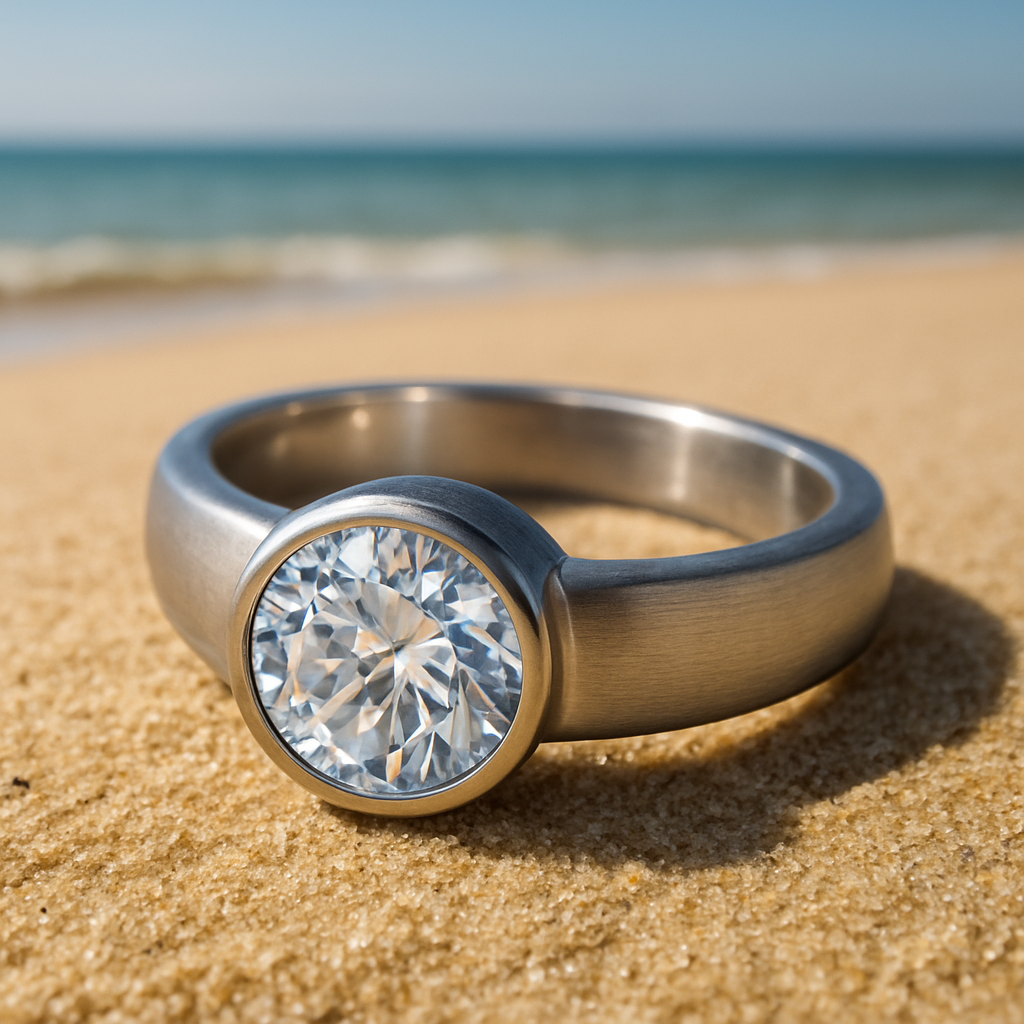
Bottom line: the stone never “soaks up” water, so your focus should be on the setting. Tighten, wax, rinse, and store smartly. Those tiny habits add up and mean you’ll be able to flaunt that sparkle on a rainy city walk or a sunny boardwalk without a second thought.
Step 4: Safe Storage and Handling Practices
We’ve already talked about rinsing and waxing, so let’s get to the core of the question: can cubic zirconia get wet? The answer is a resounding no for the stone, but the setting still needs a good home.
1. Keep the Ring in a Separate, Moisture‑Proof Pocket
Imagine your ring in a travel case that doubles as a mini‑vault. Slip it into a small, fabric‑lined pouch with a silica gel packet. The packet draws out humidity from the pouch, so when you’re on a plane, your ring stays as dry as a desert.
Pro tip: choose a pouch with a snug, magnetic closure to avoid the ring tumbling around and scratching its own setting.
2. Store Rings Individually, Not Together
Rings are like shy people— they don’t like to touch each other. When you pile them in the same drawer, the metal can rub and leave scratches that show up as dull spots. Store each ring in its own felt‑lined box or a tiny velvet pouch.
If you have a collection of halo rings, keep them in separate slots so the prongs don’t rub against one another.
3. Use a Protective Wax Layer Before Packing
After you rinse, pat dry, and wax, let the wax sit for 10 minutes before you slide the ring into its pouch. That thin film will act like a shield when you’re shaking your luggage.
When you’re in a hotel, keep the ring in its pouch inside a zip‑lock bag. That’s a double layer of protection against the room’s humidity.
4. Check the Setting Periodically
Set a reminder on your phone every three months: pop your ring out, shine it, and look for any gaps or loose prongs. If you spot a crack, take it to a trusted jeweler for tightening. In our experience, a tightened halo ring stays secure even after a week of beach splashes.
Remember, a loose setting is the only place water can get in.
5. Follow a Simple “Pack, Wash, Wax” Routine Before Travel
When you’re heading out, pack the ring in its pouch, wash the pouch’s interior with mild soap to remove any oils, and let it air dry. Then wax the ring, tuck it in, and you’re good to go.
Doing this once a week while on vacation keeps the ring’s shine alive and the setting safe.
Want a deeper dive into how to store fine jewelry safely? Check out the Cubic Zirconia care guide on Cubic Zirconia how‑to store for step‑by‑step photos and extra tips.
Need a quick FAQ? The protect cubic zirconia jewelry guide explains how to keep your pieces safe while swimming or doing household chores.
Step 5: When to Seek Professional Care
Okay, we’ve covered the basics of cleaning and protecting your ring. But sometimes a DIY fix just isn’t enough.
Ever notice a faint wobble in the setting or a grayish film that shows up after a swim? Those are red flags that water has gotten its way inside. When that happens, it’s time to bring in a pro.
1. Loose or wobbly prongs
A setting that feels loose means the metal is starting to loosen, which makes the stone vulnerable to water and daily wear. Don’t wait until the ring actually falls off; a quick tightening by a jeweler can save you a lot of hassle later.
2. Discoloration or tarnish
If the metal turns dull or develops a gray film, the protective coating is breaking down. That’s especially common with sterling silver or white gold rings that haven’t been rhodium‑plated recently. A professional polish or re‑plating restores the shine and blocks moisture.
3. Cracks or chips in the stone or setting
Cubic zirconia is hard, but it’s not indestructible. A tiny crack can grow if the metal keeps shifting. If you spot a hairline crack or feel a sudden change in the stone’s feel, get it inspected. A jeweler can either repair the setting or, if the stone is damaged, replace it.
4. Frequent water exposure
Planning a beach trip, a long flight, or a water‑heavy itinerary? Even a well‑sealed ring can benefit from a professional “water‑proofing” treatment. Jewelers can apply a thin protective coating that sits over the setting, creating an extra barrier against salt, chlorine, and humidity.
5. Your ring is aging or you’re buying a new piece
Every 10–15 years the metal can lose its luster, and the setting can weaken. If you’re thinking of upgrading or buying a new ring, let a jeweler do a quick inspection before you commit. It’ll give you peace of mind and help you choose a piece that’ll last.
Want a quick refresher on how to keep your ring safe, even when you’re swimming? The Cubic Zirconia Care Guide breaks down the key steps.
Bottom line: Trust your instincts. If anything feels off—whether it’s a wobble, a film, or a new crack—don’t hesitate to schedule a professional checkup. Your ring will thank you for it, and you’ll keep that sparkle alive for the long haul.
FAQ
What happens to a cubic zirconia ring when it gets soaked in rain or a shower?
The stone itself is a non‑porous crystal, so it never takes in water. The real drama is the metal setting. Water can seep into tiny gaps between the prongs and the band, leading to oxidation or a grayish film. That’s why rinsing, drying, and a light wax coat can keep the metal happy after a splash.
Can saltwater damage a cubic zirconia setting during a beach vacation?
Salt is a fast‑acting corrodant. Even a well‑sealed setting can develop a film if it’s left exposed to seawater for hours. A quick dip in cool tap water and a pat‑dry after a beach day is all it takes to displace the salt and protect the metal. A thin wax layer adds another barrier, especially for silver bands.
How often should I have my cubic zirconia ring inspected for water damage?
Every 3–6 months is a good rule of thumb for active wearers. If you’re traveling or live in a humid area, check monthly. Look for dullness, tiny scratches, or a wobbling stone—those are early warning signs. A quick visual check can save you a trip to the jeweler and keep your ring bright.
Will a professional “water‑proofing” treatment help my cubic zirconia ring?
Yes. Jewelers can apply a thin protective coating that sits over the setting, blocking moisture from reaching the metal. It’s especially useful for rings with thin or older metal. Think of it as a second skin—no change to the look, just extra resilience against salt, chlorine, or everyday humidity.
Is it safe to clean a cubic zirconia ring in hot water or with harsh chemicals?
No. Hot water can cause metal expansion and stress the setting, while harsh cleaners can strip protective coatings. Stick to warm or cool mild soap and a soft brush. Avoid bleach, acetone, or strong acids; they’ll dull the metal and could loosen the stone over time.
What should I do if I notice a gray film or tarnish on my cubic zirconia ring after a swim?
First, rinse the ring with cool tap water and dry it with a microfiber cloth. Then apply a thin layer of jewelry wax to seal the metal. If the film persists or the ring feels rough, it’s a sign the protective plating might need reapplication—time for a quick visit to the jeweler.
Can I safely wear my cubic zirconia ring while doing household chores that involve water?
Absolutely. Just follow a simple routine: rinse after use, pat dry, and give the metal a light wax coating. If you’re doing deep cleaning or using soaps with high mineral content, consider taking the ring out for a quick soak in fresh water to prevent mineral buildup.
Conclusion
So, the verdict? Your cubic zirconia itself won’t soak up water. The real story is in the metal setting. If that setting is tight, polished, and protected, a splash of rain or a quick shower won’t hurt.
We’ve walked through the three‑step routine: rinse with cool water, pat dry, then dust a layer of wax. Think of it as a raincoat for the metal. When you’re traveling, just give the ring a wipe in fresh water before you head into a humid cabin or a beach house.
Don’t forget to check the setting every few months. A loose prong is a fast track for oxidation. Tighten it at a jeweler or with a small polishing kit. A little maintenance goes a long way, especially for those of you who love a dash of sparkle on every trip.
If you notice a gray film or a dull shine, that’s a sign the protective coating needs re‑applying. A visit to a trusted jeweler can restore that shine.
Bottom line: cubic zirconia stays dry, but your ring’s setting needs your love. Keep it clean, keep it tight, and your sparkle will stay bright no matter where your adventures take you.