

Explore the Types of Bracelet Clasps: A Comprehensive Guide
You’ve probably felt that pinch when your favorite bracelet just won’t stay on, even after a quick adjustment.
Ever wonder why that tiny clasp feels like a gamble every time you slide it on?
We’ll walk through the main types of bracelet clasps so you can pick the one that feels like a good luck charm.
A good clasp is more than a hinge—it’s the safety net for your jewelry, especially on the go.
The simplest are the spring‑ring clasps, a one‑piece loop that snaps into a small pouch and holds everything together.
Picture a traveler in a bustling city, slipping a sleek bangle on and letting the spring‑ring keep the shine in place.
If you’re looking for a clutch‑style that pairs well with a spring‑ring, check out our bracelet collection for pieces that snap into place and look effortless.
The lobster clasp, a favorite in luxury circles, is sturdy yet a bit heavier and can feel awkward if you’re not used to it.
When choosing, test the clasp by sliding your wrist in—does it feel secure? Do you notice any snagging or gaps when you pull it out?
And while you’re curating your collection, consider pairing your bracelet with a statement piece—like a wearable landscape from Gratitude Studios to add that artistic flair.
Now that you’ve got the basics, grab a piece, try each clasp, and find the one that makes your wrist feel like a runway.
Don’t forget the magnetic clasp—perfect for quick wear and easy removal, especially when you’re on the move.
The toggle clasp, common in boho styles, gives a relaxed look but can loosen if not tightened properly.
If you’re planning a trip, a key‑ring style clasp lets you attach charms or travel stickers without compromising security.
Ultimately, the right clasp depends on how often you wear it, the setting, and the vibe you want to project.
TL;DR
We’ve unpacked every type of bracelet clasp—from the spring‑ring that never slips to the heavy lobster that adds luxury, plus magnetic, toggle, and key‑ring options that fit travel routine. Choose the clasp that feels like a friend, ensuring your jewelry stays secure and stylish no matter how you tackle today.
Glossary of Clasp Terms
Let’s break down the common clasp terms you’ll run into when shopping for bracelets. Understanding these names helps you pick a style that stays put and still looks polished.
So, what should you know first? Let’s start with the tiny but mighty spring-ring clasp, a delicate loop that snaps into a ring and holds your bracelet steady without weighing it down. It’s ideal for thin chains and travel lightness—test it before you head out; a loose spring can let the bracelet slip.
Spring-Ring Clasp
A circular loop on one end meets a small clasp on the other. Pros: lightweight, inexpensive, unobtrusive. Cons: small parts can be fiddly, and wear over time can weaken the spring. In practice, we often pair this with dainty stones for a barely-there security that still looks clean.
Lobster Clasp
A larger hook with a spring-loaded lever. Pros: sturdy, reliable, and widely used. Cons: heavier and can snag on fabric or hair if you’re not careful. For travel jewelry, this is a go-to because it stays put through busy days and airport lines.
Magnetic Clasp
Two magnetized pieces that attract to close. Pros: fast to fasten, great for quick on-off. Cons: magnets can attract other metal jewelry or interfere with devices; not ideal for very active wear or heavy bracelets. If you love effortless wear, this is a solid option for evenings out.
Toggle Clasp
A bar that slides through a ring. Pros: boho chic, quick to fasten, works well with larger bracelets. Cons: can loosen if the bracelet twists. Our tip: choose a sturdy bar and a snug ring for best security during travel or dancing.
Box Clasp
A small box accepts a tongue with a click. Pros: extremely secure; commonly used on tennis bracelets. Cons: harder to fasten with one hand and may snag. If you want a clean line, this is hard to beat.
Deployant/Push-Button Clasp
A folding mechanism that locks into place. Pros: superb security, sleek look; comfortable under cuffs. Cons: a bit more to learn, but once set, it stays put through long days and travel. We often see this on higher-end designs for minimalist silhouettes.
So which should you choose? It depends on lifestyle, fabrics you wear, and how often you’ll take the bracelet on and off. In our experience, lobster and toggle clasps cover most travelers well. And if you’re curious about pairing with pieces from our collection, Diamond Veneer Travel Jewelry offers options that snap into place and travel light.
Understanding Bracelet Clasp Basics
Let’s dig into the heart of what keeps a bracelet from feeling like a gamble. Imagine slipping on a bangle that just refuses to stay put—frustrating, right? The culprit often hides in the tiny mechanism that locks it on.
At the core, a clasp is more than a hinge; it’s the handshake between your wrist and the jewelry. When you slide a piece on, you’re essentially performing a quick, tactile check: does the lock click, does it feel firm, or does it wobble? Those subtle cues tell you whether the clasp will hold or betray you during a busy day.
Spring‑Ring – The Everyday Hero
Picture the spring‑ring as the Swiss Army knife of clasps. It’s a single loop that snaps into a small pouch. That little click you hear is the ring’s promise of security. It’s perfect for lightweight chains, tennis bracelets, and anything that needs a quick, easy-on, easy-off solution.
But there’s a trade‑off: if the loop is worn or the pouch is misaligned, it can slip. So, before you finish your coffee, give it a gentle tug. The right spring‑ring should feel like a confident “yes” from the bracelet, not a shaky “maybe.”
Lobster – The Heavy‑Duty Anchor
Think of the lobster clasp as a lock‑n‑key. It’s bulkier, with a lever that you press to open and a claw that grips the chain when you close it. It’s the go‑to for gold or stone‑heavy pieces because the extra weight adds a tactile sense of security.
What makes it stand out is the lever’s strength. When you pull the lever, it’s a deliberate action—almost like opening a door. If you notice any looseness after a few wears, tighten the screw and test again. A well‑maintained lobster clasp feels like a solid, reassuring hug.
Toggle – The Boho Statement
A toggle is a T‑shaped bar that slides through a loop, then locks when turned. It’s popular on boho and statement bracelets because it doubles as a design feature. The moment you see it, you’re instantly drawn to its quirky, handcrafted vibe.
However, toggles can be finicky. If you tug too hard or forget to lock it fully, it may slip. The trick is to double‑check the lock before walking away. A good toggle should feel snug, like a gentle squeeze, and release smoothly when you’re ready to remove it.
Magnetic – The Quick‑Fix Champion
Magnetic clasps use tiny magnets that snap together. They’re a lifesaver for people who find levers hard to manipulate—think arthritis, small hands, or a busy travel itinerary. The magnets create an almost invisible bond that’s surprisingly secure for light to medium pieces.
Still, you should be careful with heavy or valuable items. Magnets can lose strength over time, especially if exposed to metal objects that attract or repel. A quick test is to press the clasp together and let go; if it stays in place without external help, you’re good to go.
Hidden – The Invisible Guardian
Hidden clasps are tucked beneath the last link, giving a seamless look. It’s the ultimate luxury for a tennis bracelet that needs to stay invisible. The catch? It requires a jeweler’s touch for installation, so it’s not a DIY option.
Once installed, the hidden clasp behaves like a spring‑ring in terms of ease of use, but the aesthetic advantage is huge. Your bracelet appears as one continuous piece, which feels like a personal secret only you know.
Choosing the Right Clasp for You
Here’s a quick cheat sheet: lightweight travel pieces lean toward spring‑ring or magnetic; medium‑weight everyday wear works well with a toggle or lobster; heavy statement pieces benefit from lobster or hidden.
Think about your lifestyle. If you’re constantly on the move, a magnetic or spring‑ring offers speed. If you value a statement look, a lobster gives that solid feel. And if you want a sleek, uninterrupted line, hidden is the answer.
Finally, keep maintenance in mind. Inspect your clasp every few months, look for loose screws, rust, or worn loops. A little care now saves you from a frantic search for a replacement later.
So, next time you’re picking out a bracelet, take a moment to feel the clasp. Trust the tactile feedback, and you’ll find a piece that stays true to your wrist and your style.
Step 1: Identifying Your Bracelet Size and Style Needs
Alright, first thing—let’s talk size. If you’re a globe‑trotting, jet‑setting lady, you’re probably looking for a bracelet that stays put even when you’re juggling a coffee, a boarding pass, and a phone call.
We’re not going to throw a laundry list at you. Think of size as a secret handshake between your wrist and your jewelry. Grab a flexible tape measure, wrap it snugly around the base of your wrist—just below the bone—where you’d normally slide on a piece.
Do it a few times a day; wrists can swell up to half an inch when you’re on the move. Keep the tape at the same spot, not squeezing hard. Record the number to the nearest eighth of an inch. That’s your starting point.
Why the “Base of the Wrist” Matters
At the base, the skin is flat and the muscle is taut, so you get a clean, repeatable measurement. If you measure higher, on the forearm, you’ll overestimate and end up with a bracelet that’s too loose and slides over your hand.
On the flip side, measuring at the knuckles can make the bracelet feel tight and uncomfortable, especially if you have a soft, flexible chain.
Adjust for Style and Wear
Once you have your number, add the right amount of “ease” based on the bracelet type. For a classic tennis bracelet, add a quarter inch for a snug fit. For a chunky chain or a charm bracelet, add 1 to 1.5 inches to let the pieces move and the charms hang freely.
If it’s a cuff or a wrap style, you might even subtract a bit—about half an inch—since those pieces are adjustable and meant to glide over the wrist.
Check the Clasp Impact
Different clasps add or subtract a few millimeters of length. A lobster claw can take up to a half inch of space, while a spring‑ring is almost invisible. If you’re buying online, look for the product spec that mentions clasp type and length, or check the clasp guide for a quick reference.
Some pieces come pre‑sized; if you’re ordering a custom design, ask the maker how many links they’ll cut. A good rule of thumb: add an extra link or two if you’re on the cusp of two sizes.
Real‑World Example: The Traveler’s Choice
Meet Maya—no, not a random name, just a snapshot. She wears a lightweight sterling silver bangle for flights. She measured her wrist at 6.2 inches. With a spring‑ring clasp and a 0.25 inch allowance, she ends up with a 6.45 inch bracelet that slides on in a second and stays put during a layover.
Now, if she had opted for a lobster clasp without accounting for the extra space, the bracelet would have been a few inches longer, causing it to catch on her carry‑on strap.
Checklist for the Next Purchase
- Measure at the base—repeat 3 times.
- Record to the nearest eighth inch.
- Add ease: +0.25” for tennis, +1” for chain, -0.5” for cuff.
- Factor in clasp size—check spec sheet.
- Ask the seller if they can trim an extra link.
- Try a similar piece on your wrist before buying.
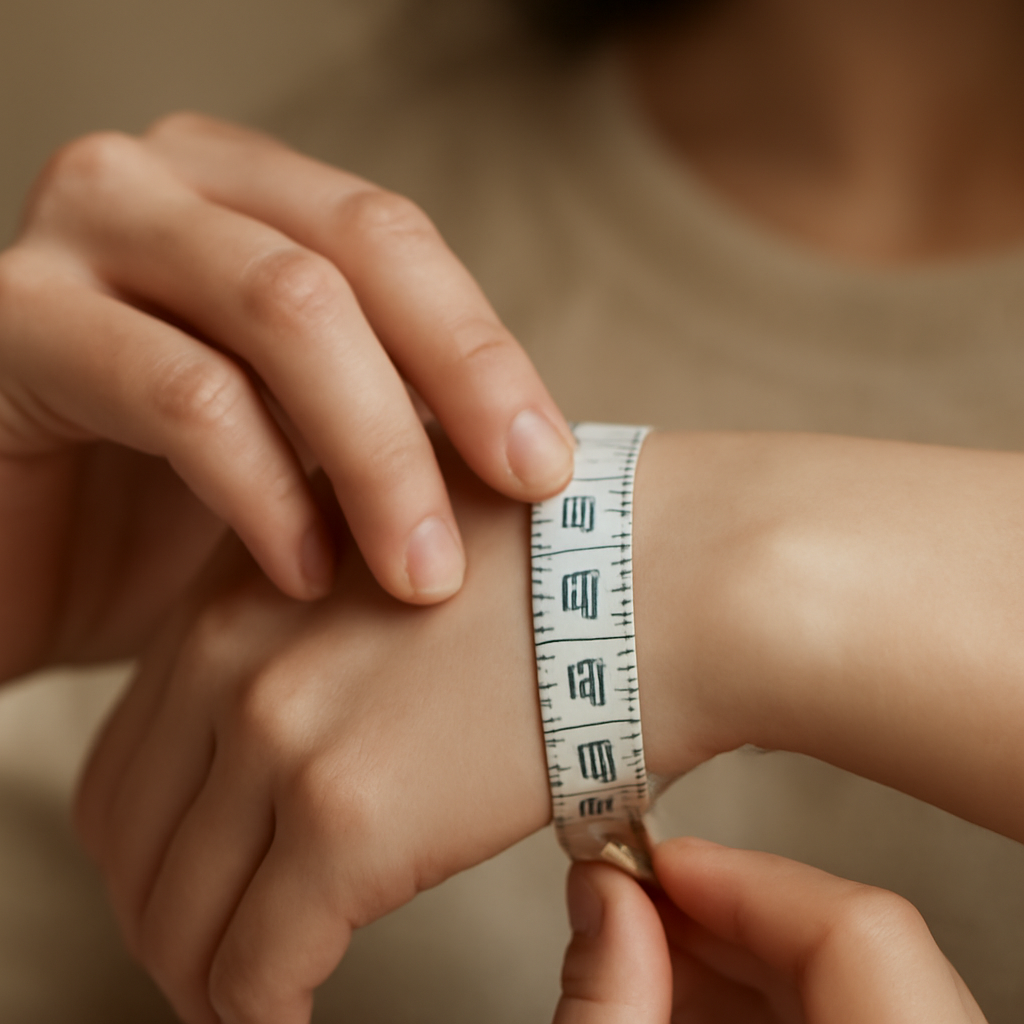
Finally, remember that the right size is a living thing. Your wrist changes with the weather, your body, and your lifestyle. Keep a small measuring tape handy for those “I’m not sure” moments. With this method, you’ll always choose a bracelet that feels like it was made just for you.
Step 2: Choosing the Right Clasp Type for Your Bracelet
You’ve already nailed the sizing, so now it’s time to pick the lock that will keep your bracelet from playing hide‑and‑seek.
Every clasp type has a personality, just like you, so the first question is: what vibe do you want to carry?
Think about your day—do you need a quick‑on, quick‑off solution, or a statement that feels like a secret handshake?
We’ll walk through the most common types of bracelet clasps and flag what makes each one tick.
First up, the spring‑ring: the minimalist’s best friend.
It’s a single loop that slides into a tiny pouch—no lever, no fuss.
That little click is the promise of a secure fit, especially on lightweight chains and tennis bracelets.
If your travel bag already has a handful of charms, the spring‑ring keeps the bracelet sleek and low‑profile.
Next, the lobster clasp—a bit heavier but the gold‑standard for luxury pieces.
The lever action feels almost like a lock‑and‑key, and the claw grips the chain firmly.
If you’re carrying a chunky gold chain or a piece that needs a dramatic finish, the lobster gives that extra weight and confidence.
Remember to test the lever before you lock it in place—any slack can feel like a second‑hand click.
Now let’s talk magnetic: a lifesaver for quick on/off and folks with smaller hands.
Tiny magnets snap together with a gentle pull; they’re surprisingly secure on light to medium pieces.
If you’re a frequent flyer, you’ll appreciate the speed—no levers to fiddle with during a tight layover.
But keep in mind that magnets can lose strength over time, especially near large metal objects.
The toggle clasp brings a boho flair—think of that T‑shaped bar sliding through a loop and locking.
It’s both a functional closure and a design element, so it’s great for statement pieces.
Just double‑check that the bar is fully seated before you step out the door; a loose toggle can feel like a gamble.
Lastly, hidden clasps keep the line seamless—perfect for high‑end tennis bracelets where you want no visible closure.
The trade‑off? They require a jeweler to install, and you can’t adjust them yourself.
So, which clasp matches your vibe? Let’s break it down into a quick cheat sheet.
Here’s a handy snapshot you can keep on your phone while you shop.
| Feature | Best For | Notes |
|---|---|---|
| Spring‑Ring | Lightweight chains/tennis | Quick on/off, minimal space |
| Lobster | Heavy or gold pieces | Secure lock, lever required |
| Magnetic | Frequent flyers | Easy on/off, less secure with heavy pieces |
| Toggle | Boho statement | Design element, double‑check lock |
| Hidden | Luxury tennis | Seamless look, needs jeweler |
Once you’ve narrowed down your choice, test a few pieces in the store or at home to feel the difference.
Think of the clasp as the final handshake between your wrist and the piece. If it feels weak or awkward, you’re more likely to yank it off before the next adventure.
For those who love a mix of style and practicality, a hybrid clasp—like a magnetic‑spring combo—can offer the best of both worlds.
When in doubt, bring a few pieces to a trusted boutique. Feel each clasp, watch the action, and let your intuition guide you.
Remember, a good clasp doesn’t just hold—it tells a story. Choose one that feels like a secret handshake between you and the world.
Finally, keep the clasp in good shape by wiping it gently with a soft cloth after each use and storing the bracelet in a dry pouch. A small maintenance routine can extend the life of your favorite piece for years to come.

Step 3: Installation and Maintenance Tips for Each Clasp Type
When you’re ready to slide your new piece onto your wrist, the clasp is the first thing you’ll touch. Treat it like the front door of a house: if the lock’s off, the whole day can feel a bit shaky. Let’s walk through each type so you know what to do right after buying or swapping a clasp.
Spring‑Ring – Easy on, Easy off
Installation is a one‑step snap. Align the tiny lever with the pouch, push back, and the loop will close. You might feel a quick “click” that’s actually the spring locking in place. To keep it humming, wipe the ring with a soft cloth after each use. A damp spot can build up tiny metal filings that dull the click.
Maintenance tip: every few months, gently tug the lever to test the spring tension. If the click sounds weak, replace the small ring with a fresh one—most jewelers sell a set of spring‑ring clips that fit most chains – see Element 79’s guide for detailed instructions.
Lobster – Heavy‑Duty, Low‑Maintenance
Installation requires a small screwdriver or the built‑in lever. Turn the lever back until the claw snaps over the loop, then pull it to close. The lever’s screw can loosen over time; tightening it with a tiny screwdriver restores the snug feel.
Check the lever every time you put the bracelet on. If it feels sluggish, give it a quick twist. And keep the claw away from metal objects that can strip its edge—store the bracelet in a pouch or a jewelry box to avoid scratches.
Toggle – Design Meets Function
The bar slides through the loop and then twists to lock. When installing, slide the bar all the way in, then turn it. If the bar feels wobbly, you probably missed a full 180‑degree rotation. A simple test: try to pull the bar loose—if it slides out, you’re not fully locked.
For maintenance, keep the loop clean. Small beads of dirt can prevent the bar from staying seated. Use a cotton swab lightly moistened with rubbing alcohol to wipe the inner side of the loop.
Magnetic – Quick, but Keep an Eye on Strength
Putting it on is as easy as a hug. Just bring the two ends close and the magnets snap. To install, simply align the two magnets on each end of the bracelet and press. If you notice the magnet not staying put during a walk, it may have lost polarity or been exposed to another strong magnet.
Maintenance: check the magnets every 6–12 months. If the pull feels weaker, you can gently clean them with a microfiber cloth. If it still doesn’t hold, consider swapping in a new pair—most jewelers sell magnetic clasp sets that match the size of your bracelet.
Hidden – Seamless, but Professional Touch
Because the clasp is buried inside the chain, you can’t install or replace it yourself. It’s a job for a jeweler. Once installed, the hidden clasp behaves like a spring‑ring, so the same cleaning advice applies: wipe the chain and the small loop after wear.
Keep the bracelet in a soft pouch when you’re not wearing it. The hidden clasp relies on the chain’s tension; if the chain gets stretched or kinked, the clasp can slip. Regularly inspect the chain for signs of wear and get it repaired if needed.
By treating each clasp like the small piece of machinery it is, you’ll extend the life of your travel‑friendly jewelry and keep the clasp feeling fresh no matter how many flights you catch.
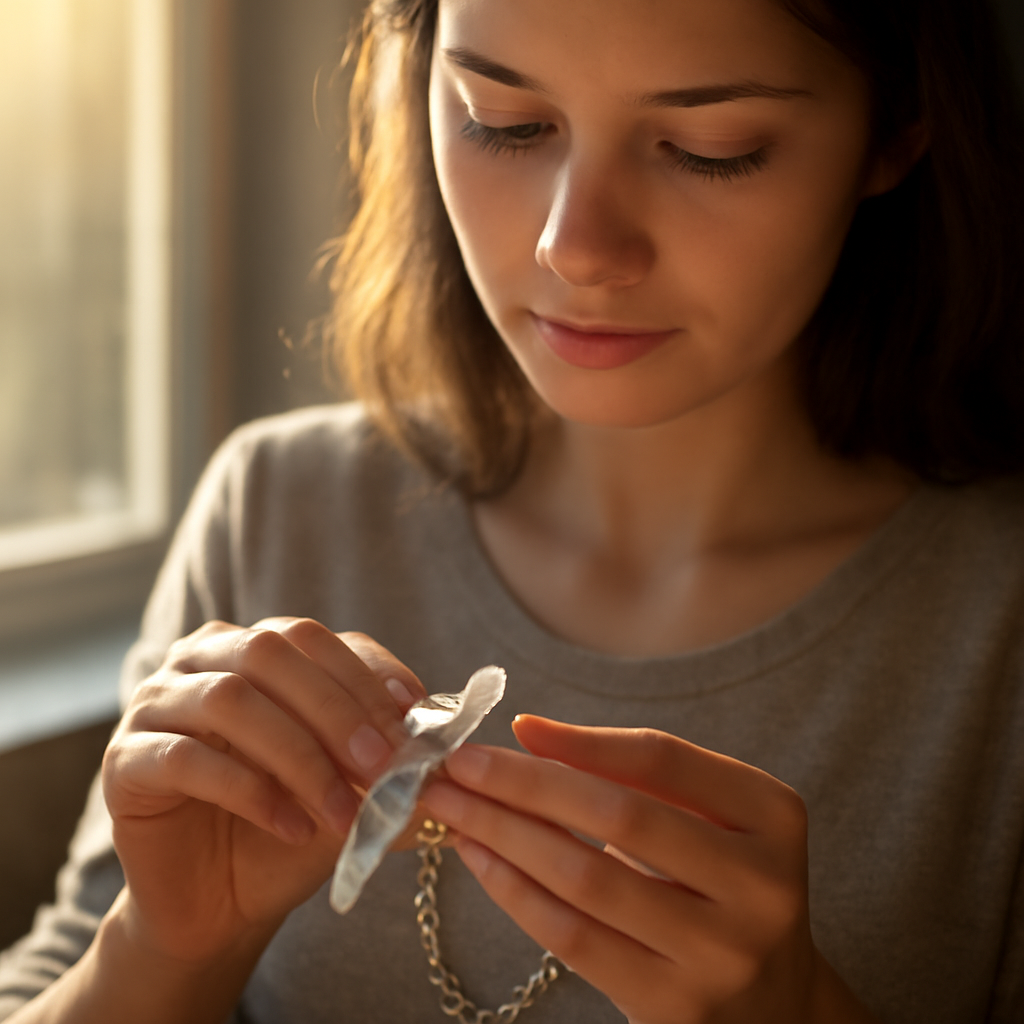
Remember, a well‑maintained clasp is like a reliable friend—it won’t let you down when you need it most. Give these quick checks a habit, and your bracelets will stay as stunning as the day you bought them.
Comparing Clasp Durability and Cost Across Popular Types
Let’s cut through the jargon and lay out the real trade‑offs between the clasps you’ll find on any bracelet. When you’re picking a piece that you’ll wear on the run, the hinge matters as much as the metal and stones.
Durability in a Dash
Think about the last time a clasp slipped right when you hit a doorway. That tiny failure can feel like a betrayal. In our experience, the lobster and hidden clasps are the champs for longevity. They’re built to hold heavier weights and resist the constant tug‑and‑pull of travel.
Spring‑rings, while great for a quick snap, can wear out faster on daily wear. Magnetic clasps keep the magnets in a constant state of attraction, but their pull weakens over time—especially if you’re near strong metal objects. Toggle clasps are somewhere in the middle; they’re sturdy but need a firm lock each time.
Cost Breakdown
Price tags for clasps often mirror durability. Lobster and hidden clasps cost roughly double what a spring‑ring or magnetic setup will, largely because they require more metal and craftsmanship. For a high‑end tennis bracelet, the hidden clasp can add $30 to $50 to the final price, while a standard spring‑ring might be under $10. Toggles sit around $15 to $25, and magnetic sets average $20 to $35.
So, if your wallet is as tight as your travel schedule, a spring‑ring or magnetic will keep you under budget without sacrificing style. If you’re looking for that “last‑minute‑never‑again” guarantee, a lobster or hidden clasp is worth the extra spend.
Real‑World Scenarios
Picture a jet‑setter who wears a sterling‑silver tennis bracelet on every flight. A hidden clasp keeps the chain seamless and eliminates any chance of the clasp catching on a carry‑on strap. The cost premium pays off when you’re on the go and don’t want to pause mid‑air to fix a snag.
Now imagine a weekend traveler who prefers a lightweight bangle that’s easy to slip on between flights. A spring‑ring offers speed and a light footprint; the price stays low, and you get a clean look that doesn’t show any hardware.
Quick Decision Guide
When you’re choosing, ask yourself: How heavy will the piece be?
Do you need a fast, low‑profile closure?
Can you afford a slightly higher upfront cost for peace of mind?
| Clasp Type | Durability | Typical Cost Range | Best For |
|---|---|---|---|
| Lobster | Very High | $35–$55 | Heavy, luxury pieces |
| Hidden | Very High | $45–$75 | Seamless tennis bracelets |
| Spring‑Ring | Moderate | $5–$15 | Lightweight, everyday wear |
| Toggle | Moderate | $15–$25 | Boho or statement chains |
| Magnetic | Low to Moderate | $20–$35 | Quick‑on/off, travel‑friendly |
Remember, the right clasp isn’t just a mechanical choice—it’s a lifestyle decision. Pick the one that aligns with your daily routine, your aesthetic, and your budget. If you’re still on the fence, keep this table handy next time you shop online or pop into a boutique. The right closure will keep your bracelet looking fresh, feeling secure, and, most importantly, staying in your pocket (or your purse) for longer than you expected.
Frequently Asked Questions
What’s the difference between a spring‑ring and a lobster clasp?
Picture a spring‑ring as the quick‑grab button on a backpack strap—small, almost invisible, and super fast. A lobster, on the other hand, feels like a tiny lock‑n‑key; it’s heavier, offers a louder click, and feels more secure for pieces that have weight or precious stones. If you’re traveling light and want to slip a bangle on between flights, a spring‑ring will save you time. If you’re wearing a chunky gold chain, the lobster keeps the weight from slipping out.
Can I use a magnetic clasp on a gold bracelet?
Yes, but tread carefully. Magnets are great for lightweight pieces because they snap together without a lever. Gold is a metal that can interfere with magnetic force, especially if it’s thick or has a lot of metal nearby. For a thin gold bangle, a magnetic clasp can still work, but if you’re worried about losing the clasp, you might want to test the pull strength in a dim room before heading out.
How often should I inspect my bracelet clasp for wear?
Think of it like checking the brakes on a plane—you want to catch problems before they become big. A good rule of thumb is to look at the clasp every few months, especially if you’re on a frequent‑flyer routine. Check for loose screws, rust, or a softened spring. A small tug that feels weak or a lever that’s sluggish is a sign it’s time to clean or tighten, or replace it entirely.
Do hidden clasps need a jeweler for maintenance?
That’s the deal with hidden. Because the closure sits beneath the last link, you can’t tweak it yourself. If it loosens, a jeweler has to reset the tension or replace the clip. For most travelers, the invisible line looks elegant, but keep in mind a small maintenance trip to your local shop can keep that seamless look intact for years.
Is a toggle clasp suitable for a heavy statement bracelet?
It can work, but be cautious. Toggle clasps are designed for a bit of give; they lock by turning a T‑shaped bar. On a heavy bracelet, the bar can feel less secure if it’s not fully tightened. If you want the visual drama of a toggle but need extra security, consider a hybrid: a toggle with a small locking latch or a heavier clasp underneath.
What’s the most travel‑friendly clasp for a quick on/off?
If speed is king, a spring‑ring or magnetic is your best bet. A spring‑ring snaps in and out in a heartbeat—no lever, no fuss. Magnetic clasps are even quicker, just a gentle pull. Both keep the bracelet low‑profile, so you won’t snag on carry‑on straps or luggage handles. For a travel‑ready feel, choose the lighter option and double‑check the click before you board.
Conclusion
We’ve walked through every type of bracelet clasp—spring‑ring, lobster, toggle, magnetic, and hidden—and seen how each fits different moods and travel habits.
What’s the main takeaway? Match the clasp to the bracelet’s weight, your daily routine, and how fast you need to slip it on. A lightweight bangle or a travel‑friendly tennis bracelet gets a spring‑ring or magnetic; a chunky gold statement deserves a lobster or a hidden clip; a boho piece can rock a toggle if you double‑check the lock.
So, what should you do next? Grab a quick checklist: 1. Weigh your piece, 2. Pick a clasp that feels solid in your hand, 3. Test the click or snap, 4. Keep a tiny brush for cleaning, and 5. Store in a soft pouch.
Remember, a well‑maintained clasp is a silent partner that keeps your jewelry safe during flights, hikes, or coffee dates. If you’re still stuck choosing, run your bracelet by a trusted jeweler—most shops will give you a feel‑test for free.
Ready to elevate your travel style? Explore our curated collections and pick the clasp that makes your wrist feel confident, no matter where you go.