

How to Choose and Care for a Diamond Veneer Necklace in 2026
Want a sparkle that feels luxe but won’t weigh you down? A diamond veneer necklace gives you that wow‑factor without the heavy price tag. In this guide you’ll learn how to pick the right style, check quality, care for it, and style it like a pro.
Step 1: Choose the Right Diamond Veneer Style
First thing you’ll notice is that not all diamond veneer necklaces look the same. Some sit close to the skin, some hang low, some sparkle with a single stone, and others sparkle with a cluster. Your personal vibe will decide which one fits best.
Solitaire pendants are the go‑to for a clean, modern look. A single stone on a thin chain lets the diamond veneer do the talking. Pair it with a delicate gold chain for a layered feel that stays subtle.
Halo pendants add a ring of tiny stones around a bigger center. This style screams confidence and works great for evening events.
Two‑stone or three‑stone designs tell a story. One stone can mean “you”, the other “me”. Three stones can stand for past, present, future. They’re perfect for a piece that feels personal.
Vintage‑inspired pendants bring old‑world charm. Think Art Deco lines or Victorian filigree. They add drama without shouting.
Here’s what I mean: imagine a sleek solitaire on a 16‑inch chain for a day at the office, then add a longer chain with a halo pendant for a night out. You get two looks with one necklace.
Tips for picking style:
- Match the pendant size to your neckline – short for crew necks, long for V‑necks.
- Choose metal that fits your wardrobe – yellow gold for warm tones, white gold for cool tones.
- Think about layering – a simple pendant can be the base for a stacked look.
When you’re ready to shop, check out Diamond Veneer Cubic Zirconia Necklace Pendant for a piece that blends classic sparkle with travel‑ready durability.
For more style ideas, see Angara’s guide to 2026 pendant trends and Vogue’s roundup of top diamond necklaces. Both sources break down which cuts and settings dominate the market right now.

Step 2: Assess Quality and Certification
Once you’ve nailed the style, the next step is making sure the diamond veneer necklace is truly brilliant. Quality rests on the four Cs: cut, carat, color, and clarity. Cut is the most important – a well‑cut stone throws light like a tiny mirror.
Carat tells you the weight, not the size. A 0.75 carat stone that’s cut well can look bigger than a 1 carat stone that’s poorly cut. Color grades run from D (no hue) to Z (visible yellow). For most necklaces, D‑J works fine.
Clarity measures tiny flaws inside the stone. VS1 or VS2 is a sweet spot for necklaces because imperfections are invisible at normal viewing distances.
Never buy without a certification. Reputable labs like GIA or AGS issue grading reports that lock in the exact specs of the stone. A certified stone protects you from overpaying.
Here’s a quick comparison of what you’ll see on a typical report:
| Factor | What to Look For | Why It Matters |
|---|---|---|
| Cut | Excellent or Very Good | Max sparkle, better value. |
| Carat | Balance with cut | Size appears larger when cut is good. |
| Color | D‑J | Colorless look for most outfits. |
| Clarity | VS1‑VS2 | Invisible to naked eye. |
| Certification | GIA or AGS report | Third‑party verification. |
Settings also affect durability. Prong settings showcase the stone but need careful handling. Bezel settings wrap the stone in metal, giving extra protection for travel‑heavy lives. Halo settings add sparkle but can catch on clothing.
Metal choice matters too. Platinum never dulls, white gold is bright, yellow gold adds warmth, and rose gold gives a pink hue. Pick what matches the rest of your jewelry.
Actionable checklist:
- Ask for the GIA or AGS grading report before purchase.
- Prioritize cut over carat for the best sparkle.
- Choose bezel settings if you’ll wear the necklace on the go.
- Match metal tone to your everyday pieces for a seamless look.
Read more about the 4Cs and certification at SuperJewelers’ buying guide and Willyou’s certification breakdown. Both explain why a certified stone is worth the extra step.
Step 3: Caring for Your Diamond Veneer Necklace (Video Guide)
Even the toughest diamond veneer needs love. Clean it often and store it right, and it will stay bright for years.
Do the soap‑and‑water method at home. Mix a few drops of mild dish soap with warm water. Soak the necklace for 20‑30 minutes, then use a soft toothbrush to gently scrub the stone and setting.
Don’t use harsh chemicals like bleach or glass cleaner. Those can eat away at the metal and leave a cloudy film on the veneer.
Take the necklace off before you apply perfume, lotion, or sunscreen. Those products leave a residue that dulls sparkle.
Avoid ultrasonic cleaners unless the setting is proven safe. Vibration can loosen prongs, especially on delicate bezel styles.
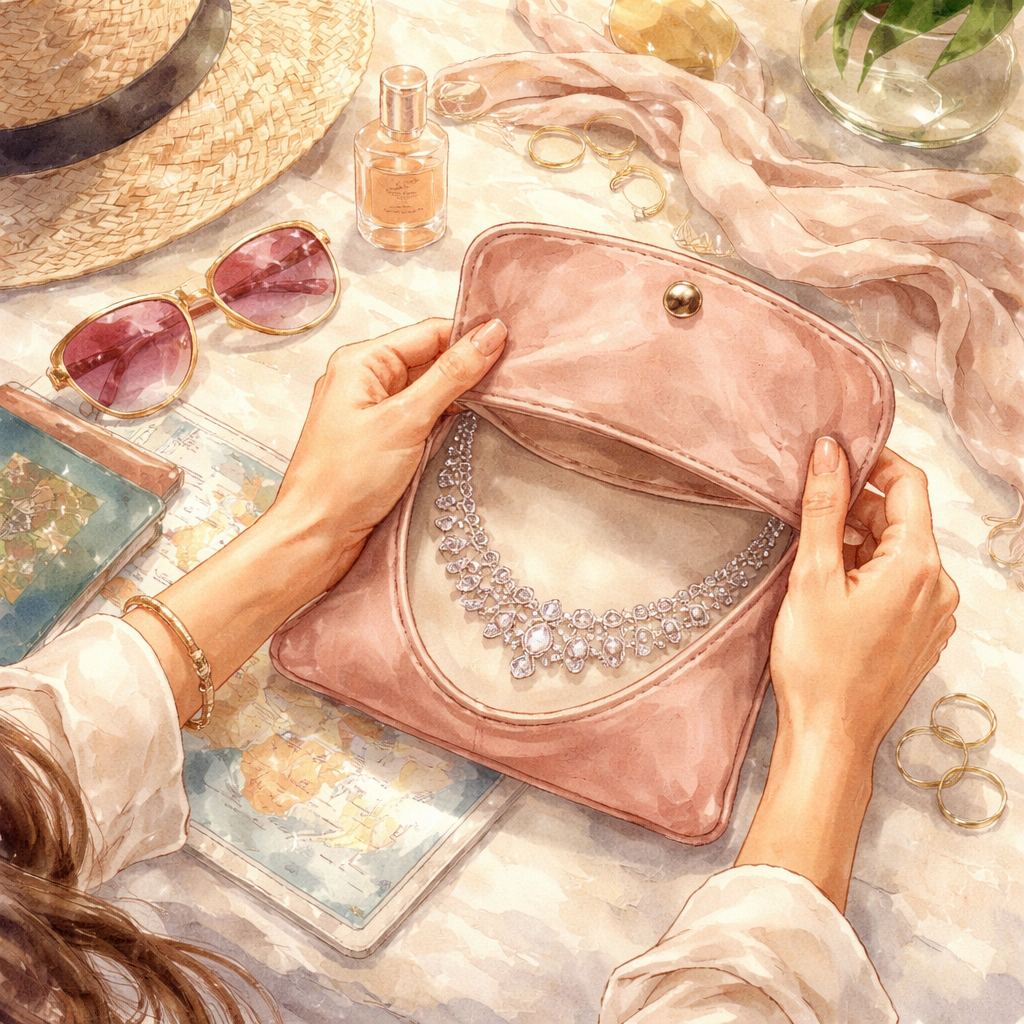
When you’re not wearing it, store the necklace in a soft pouch or a compartment separate from other gems. Diamonds can scratch softer stones, and metal can get scratched too.
Never sleep with the necklace on. Even though diamonds are hard, the metal can bend or the setting can loosen under pressure.
Care routine:
- Wipe with a lint‑free cloth after each wear.
- Deep clean with soap‑water once a month.
- Inspect prongs for wear before travel.
- Store in a dedicated box or pouch.
Watch the quick video below for a step‑by‑step demo. It shows the exact motions to use when cleaning a delicate bezel setting.
For more tips, see DiamondStuds’ cleaning do’s and don’ts and Lumeniri’s longevity guide. Both give solid advice on what to avoid and what to embrace.
Step 4: Styling Tips and Pairings
Now that your diamond veneer necklace is clean and certified, let’s talk look. The right pairings can lift a simple tee or make a gala outfit sing.
Keep it simple for everyday wear. A single solitaire on a thin chain works with tees, blouses, and even a light sweater. It adds polish without feeling over the top.
Layer for texture. Pair a short solitaire with a longer chain that has a tiny charm or a delicate chain. The mix of lengths creates visual interest.
Match metal tone to your outfit. White gold pairs well with cool blues and greys, while yellow gold adds warmth to earth tones. Rose gold shines with blush pinks and soft neutrals.
Coordinate earrings. Small studs keep the focus on the necklace, while drop earrings can echo the pendant’s shape for a balanced look.
For a formal event, let the necklace be the centerpiece. A halo pendant works great with a strapless dress, drawing eyes to the neckline.
Here’s a quick style cheat sheet:
- Day look: solitaire + skinny chain + stud earrings.
- Evening: halo pendant + longer chain + dangling earrings.
- Travel: bezel‑set pendant + sturdy clasp + separate pouch.
When you’re packing for a trip, think about how the necklace will sit with your wardrobe. A versatile metal like white gold works with most travel outfits.
Read more styling ideas at Filigree Jewelers’ layering guide and also check their tips on metal matching for more ideas.
Conclusion
A well‑chosen diamond veneer necklace can be the secret weapon in any wardrobe. You’ve learned how to pick a style that matches your vibe, how to read the 4Cs and demand a proper certificate, how to keep the piece shining with simple at‑home care, and how to pair it with outfits for day, night, or travel. With these steps, you’ll feel confident that your necklace will stay brilliant and last for years. Ready to add that sparkle to your collection? Explore the range at Diamond Veneer and pick the piece that feels right for you.
FAQ
How do I know if a diamond veneer necklace is genuine?
Look for a grading report from a reputable lab such as GIA or AGS. The report lists cut, carat, color, and clarity, confirming the stone’s quality. Without a report, you risk buying a simulant that won’t have the same sparkle or resale value.
Can I wear my diamond veneer necklace while swimming?
It’s best to take it off before swimming. Chlorine and salt water can dull the metal finish and may weaken settings over time. A quick rinse with fresh water after exposure can help, but removal is the safest choice.
What chain length works best for a V‑neck dress?
A 16‑inch (40 cm) chain usually sits just above the collarbone and highlights a V‑neck nicely. If you prefer a deeper look, try an 18‑inch (45 cm) chain that rests at the base of the V shape.
How often should I clean my diamond veneer necklace?
For daily wear, a quick wipe with a soft cloth after each use keeps it bright. Do a full soap‑and‑water clean about once a month, or whenever the piece looks dull. Regular cleaning prevents oil buildup.
Is a bezel setting better for travel?
Yes. A bezel wraps the stone in metal, shielding it from bumps and catches. This makes it less likely to lose a stone if you’re on a plane or moving through busy airports. Prong settings look great but need extra care.
Can I mix a diamond veneer necklace with other gemstones?
Absolutely. Pairing a solitaire with a thin chain that has a tiny sapphire or ruby charm adds a pop of color without stealing focus. Just keep the other gems in softer settings so they don’t scratch the diamond veneer.
What’s the best way to store multiple necklaces?
Hang each necklace on a separate padded hook or lay them flat with clasps fastened to avoid tangles. Keep diamond pieces away from softer stones like pearls to prevent scratches. A soft‑lined jewelry box works well.
Do lab‑grown diamonds affect the resale value of a necklace?
Lab‑grown stones cost less up front but generally have lower resale prices than natural diamonds. However, the sparkle and quality are identical, so if you plan to keep the piece for personal joy, a lab‑grown option can be a smart, ethical choice.