

How to Clean White Gold Ring at Home: Simple Steps for a Sparkling Shine
Picture this: you just got back from a weekend in Paris, your white gold ring glinting in the sunlight, and you notice a faint film of dust on the band.
That moment—when you realize your favorite piece needs a little TLC—feels oddly frustrating, especially when you’ve invested in a piece that’s meant to travel with you, from city cafés to runway shows.
Don’t worry, you don’t need a jeweler’s bench or fancy chemicals. In this guide we’ll walk through exactly how to clean white gold ring at home using items you already have in your bathroom cabinet.
First, gather three simple tools: a bowl of warm (not hot) water, a drop of mild dish soap, and a ultra‑soft toothbrush—think the kind you use for polishing shoes, not the one with stiff bristles.
Soak your ring for about five minutes. This gentle bath loosens everyday grime without attacking the delicate metal or any simulated diamonds you might be wearing.
After the soak, take the soft toothbrush and give the setting a light, circular massage. Pay extra attention to the underside of the shank and any tiny crevices where perfume or sunscreen can hide.
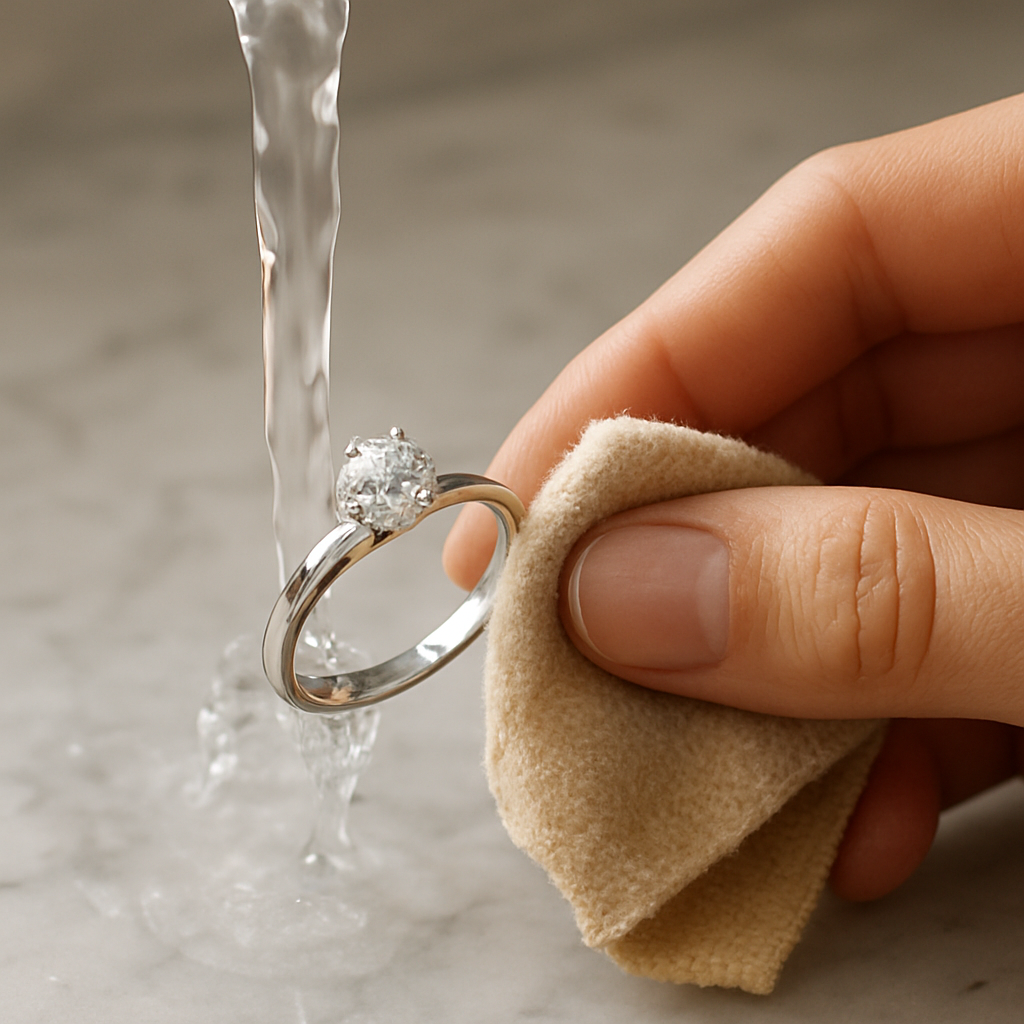
Rinse the ring under lukewarm running water (a kitchen faucet works fine), then pat it dry with a lint‑free microfiber cloth. Avoid paper towels—they can scratch the polished surface.
Finally, store the ring in a breathable pouch or a soft jewelry box until your next adventure. This habit keeps the metal’s natural shine and prevents the buildup that can dull even the most radiant white gold.
Now that you’re aware of the basics, you’re ready to keep your travel‑ready sparkle looking flawless wherever the jet‑set life takes you.
Keep this routine in your travel kit, and you’ll never have to worry about a dull ring stealing the spotlight at a cocktail party or a sunrise brunch.
TL;DR
If you’re a jet‑setting fashionista who’s spotted a dull film on your white gold ring, don’t panic – the quick, travel‑friendly routine we’ve shared lets you restore that sparkle in minutes, using just warm water, a dab of mild dish soap, and a soft toothbrush.
Follow those simple steps, rinse gently, pat dry, and stash the ring in a breathable pouch—your go‑to habit for keeping every piece camera‑ready wherever you roam.
Step 1: Gather Safe Cleaning Supplies
Before you even think about scrubbing that sparkle back into your white gold ring, pause for a second and ask yourself: do you have the right tools within arm’s reach? Trust me, the difference between a quick rinse and a gentle, jewellery‑friendly cleanse is all in the supplies you pick.
What you’ll need
First up, a small bowl or a sturdy glass. It doesn’t have to be fancy—just something that holds lukewarm water without tipping over on a bathroom counter. Warm water (around 30‑35 °C) is key because it loosens everyday grime without shocking the metal.
Next, a few drops of mild dish soap. Look for a formula that’s free of bleach, dyes, or harsh degreasers; a “gentle” label does the trick. One or two drops are enough to create a soft lather that lifts oil from perfume, sunscreen, or that stray coffee splash you forgot about.
Then, a soft‑bristled toothbrush. Think the kind you’d use for a delicate shoe polish, not the rigid brush you keep for tile grout. The tiny bristles glide into the setting’s nooks without scratching the metal or any simulated diamonds.
Finally, a lint‑free microfiber cloth. This will be your finishing touch, gently patting the ring dry so no fibers linger to dull the surface.
And because we love a little extra pampering while we’re at it, keep a bottle of water nearby. Staying hydrated while you wait for the soak might sound odd, but a sip of fresh water keeps your hands steady and your mind relaxed—perfect for a mindful cleaning ritual.
Why these choices matter
Warm water opens up the pores of the metal just enough to let the soap break down residue, yet it’s gentle enough not to expand any delicate settings. A mild soap avoids the risk of chemical attack that harsher cleaners pose, especially on plated white gold that can lose a bit of its luster over time.
A soft toothbrush respects the integrity of the ring’s design. The fine bristles reach the underside of the shank and the tiny corners where skin oils love to hide, all without leaving micro‑scratches that could become permanent.
The microfiber cloth finishes the job by absorbing water without shedding lint. Paper towels might feel handy, but those little fibers can cling to the polished surface and create a faint haze that looks like dullness.
Now, picture yourself in a hotel bathroom after a long day of runway shows. The sink is lit, the mirror reflects your tired eyes, and you have that little bowl, a dab of soap, and a toothbrush ready. You drop the ring in, let it soak, and while it does its thing, you sip from your bottle, feeling the cool refreshment. It’s a tiny ritual that turns a chore into a moment of self‑care.
After about five minutes, gently lift the ring out with clean fingertips. Give it a soft, circular massage using the toothbrush, focusing on any intricate details. Rinse under lukewarm running water—just a gentle stream, no high‑pressure jets.
Pat the piece dry with your microfiber cloth, turning it over a few times to catch any lingering droplets. Once it’s completely dry, store it in a breathable pouch or a soft jewellery box until the next adventure.
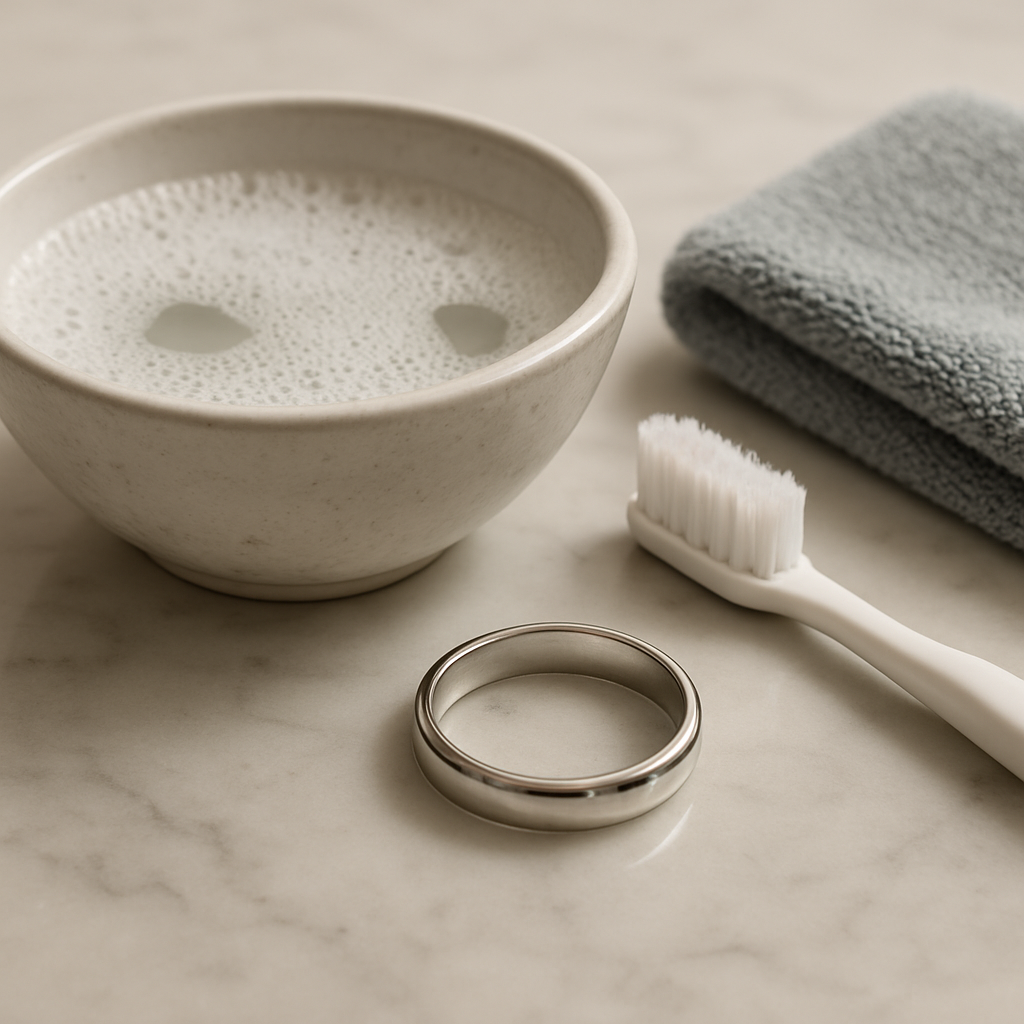
That’s all you need for Step 1. Gather these safe supplies, and you’ve set the stage for a sparkling, travel‑ready ring that looks as fresh as the day you first slipped it on. Ready for the next step?
Step 2: Prepare a Gentle Cleaning Solution
Alright, you’ve got your bowl and your brush – now it’s time to mix up the magic potion that’ll coax the grime off your white‑gold band without a single scratch. Think of it as a mini‑spa for your jewelry, and trust me, the results are worth the few extra seconds.
First up, temperature. Warm water (around 30‑35 °C, or what feels comfortably warm to the touch) is ideal. Hot water can expand the metal just enough to loosen any setting, while cold water won’t dissolve oils effectively. If you’re staying in a hotel, a quick run of the tap and a quick test on your wrist will do the trick.
Next, the soap. A few drops of a mild, fragrance‑free dish detergent does the job. Look for something labeled “gentle” or “for delicate dishes.” Avoid antibacterial soaps with harsh chemicals – they can strip the rhodium plating over time. If you prefer a baby‑care vibe, a tiny dollop of baby shampoo works just as well.
Want to amp up the cleaning power? Add a pinch of baking soda for a gentle abrasive boost, or a splash (no more than ½ teaspoon) of white vinegar to break down mineral deposits. For those who love a science‑y approach, a drop of diluted ammonia (1 part ammonia to 10 parts water) can dissolve stubborn perfume residue, but only if you’re absolutely sure your ring has no delicate gemstones that could be affected.
Now, the actual mixing. Pour the warm water into your bowl, add the soap, then stir gently with a clean fingertip or a soft spoon until you see a light lather. If you’re using baking soda or vinegar, sprinkle or drizzle them in last and give the solution one more slow swirl. The goal is a uniform, mildly sudsy liquid – nothing frothy enough to bubble over the rim.
Picture this: you’re on a layover in Dubai, waiting for your next flight, and you notice a film on your favorite white‑gold ring. No time for a jeweler, but you’ve got a mini‑bowl from the hotel room service menu. Follow the steps above, let the ring soak while you sip your chai, and you’ll walk back onto the plane with a sparkle that rivals the desert sunrise.
Expert tip from our team at Diamond Veneer Travel Jewelry: use distilled or filtered water whenever possible. Tap water can contain calcium and chlorine, which may leave a faint haze after repeated cleanings. A quick rinse with distilled water after the soak keeps the metal looking like new, especially for frequent travelers.
Once your solution is ready, it’s a perfect moment to showcase how easy maintenance is with our 2CT Round Diamond Veneer Cubic Zirconia Ring. The same gentle bath that revives any white‑gold piece works beautifully on the simulated diamonds, preserving their fire without the risk of harsh chemicals.
If you’re heading to a gala after cleaning, consider pairing your fresh‑look ring with a seamless travel experience. A&A Parking Management offers premium valet services that keep your luggage and valuables safe while you focus on the night’s sparkle.
And when the event’s over, why not capture the moment? A polished ring looks even better in photos, especially with award‑winning photo booth rentals that turn any celebration into a runway‑ready memory.
Quick checklist before you finish:
- Warm (not hot) water, 30‑35 °C.
- 1‑2 drops of mild dish soap or baby shampoo.
- Optional: pinch of baking soda or splash of white vinegar.
- Stir gently until sudsy.
- Soak ring 5‑10 minutes, then brush lightly.
- Rinse with distilled water and pat dry.
Follow these steps, and you’ll have a gleaming white‑gold ring that’s ready for any runway, brunch, or midnight rooftop party – no jeweler needed.
Step 3: Soak and Gently Brush the Ring
Now that your solution is bubbling, it’s time to give that white‑gold band a proper spa session. Picture yourself in a cosy hotel bathroom, the soft hum of the kettle in the background, and a tiny bowl of warm, sudsy water waiting like a warm hug for your ring.
Let the ring relax
Drop the piece into the bowl and let it sit for 5‑10 minutes. The warm water (around 30‑35 °C) loosens everyday grime – perfume residue, sunscreen, even that faint coffee film you never noticed. You don’t need a timer; just use the waiting time to sip a latte or scroll through your flight itinerary.
Why does a gentle soak matter? White gold’s rhodium plating is delicate. Too‑hot water or aggressive chemicals can wear it down, leaving a dull, yellowish hue. A mild, lukewarm soak respects the metal while still doing the heavy lifting.
Pick up the soft brush
After the soak, reach for that ultra‑soft toothbrush you set aside earlier. It should feel like a plush paint‑brush, not a scrubbing pad. Lightly dip the bristles into the same solution – no need for extra soap.
Begin a slow, circular motion around the band, paying special attention to the underside of the shank and any tiny crevices where perfume or skin oils love to hide. Think of it as a gentle massage rather than a power wash. If you own a simulated‑diamond piece, the soft bristles will glide over the facets without scratching the fire.
And here’s a little trick we’ve learned at Diamond Veneer Travel Jewelry: work the brush in sections. Start at the top of the setting, glide down to the shank, then back up. This rhythmic motion ensures you don’t miss a speck of dirt and keeps the process feeling almost meditative.
Rinse with distilled water
When the brush has done its job, lift the ring out and give it a quick rinse under distilled or filtered water. Distilled water prevents mineral deposits from re‑coating the metal, a tip highlighted by jewellery experts as a way to keep the finish looking like new.
Tip: if you’re in a hotel, place a small mesh strainer in the sink so the ring doesn’t slip down the drain. A gentle stream is enough – no need to scrub or pressure‑wash.
Pat dry and admire
Finally, grab a lint‑free microfiber cloth and pat the piece dry. Avoid rubbing; a gentle press removes excess water without creating micro‑scratches. As you hold the ring up to the light, you should see a fresh, bright sparkle – the kind that makes you want to show it off at the next cocktail party.
Does this feel a bit too involved? Not really. The whole routine takes under ten minutes, and the results are instantly visible. For frequent travellers, it’s the perfect way to keep a favourite piece camera‑ready without booking a jeweller.
If you’d like a quick reference, the gentle white gold cleaning method from Jewelers Mutual echoes the same steps – warm water, mild soap, soft brush, and a distilled rinse.
So, what’s the takeaway? A short soak, a soft brush, and a careful rinse are all you need to restore that runway‑ready shine. Keep this routine in your travel kit, and you’ll never have to worry about a dull ring stealing the spotlight at a sunrise brunch or an after‑dinner soirée.
Step 4: Rinse, Dry, and Polish the Ring
All right, you’ve just given your white‑gold band a gentle soak and a soft brush‑massage. The next move is the rinse, the dry, and the polish – the three‑step finish that turns a dull piece into runway‑ready sparkle.
Rinse with mineral‑free water
Grab a clean bowl or, if you’re in a hotel bathroom, a mesh strainer to keep the ring from slipping. Run lukewarm water over the piece for a few seconds. If you have access to distilled or filtered water, use it – it prevents the calcium and chlorine in tap water from leaving a faint film, something the Astteria guide recommends this as the safest rinse for rhodium‑plated pieces.
Don’t blast the ring with a high‑pressure stream. A gentle flow is enough to wash away soap residue and any lingering perfume oils that can dull the finish.
Pat‑dry with a lint‑free cloth
Reach for a microfiber cloth – the kind you’d use for cleaning lenses or a camera sensor. Press the cloth onto the band, letting it absorb the water. Avoid rubbing; a soft press removes moisture without scratching the delicate rhodium coating.
If you’re travelling, keep a small, breathable pouch in your carry‑on. Slip the ring into the pouch after it’s dry, and you’ve got a ready‑to‑wear piece for the next cocktail hour.
Polish for that extra gleam
Now for the fun part: polishing. A dedicated jewelry polishing cloth works wonders – it has a slightly abrasive side that lifts micro‑scratches without grinding away the plating.
Gently glide the cloth along the shank, the setting, and the underside of the band. You’ll feel a faint warmth as the metal releases any last bits of grime. If you don’t have a polishing cloth, a soft, lint‑free cotton towel will do, just be extra gentle.
Pro tip: polish twice a year, not after every clean. Over‑polishing can wear down the rhodium layer, turning the white gold yellow around the prongs. When that happens, a jeweller can re‑dip the piece – a quick fix if you notice the colour shift.
Avoid common pitfalls
Never reach for vinegar, lemon juice, or harsh chemicals. Those acids can etch the plating and even weaken delicate gemstones. Likewise, skip paper towels – their rough fibers are notorious for micro‑scratches.
And remember: if your ring has a soft gemstone like pearl or opal, limit the soak to five minutes and give extra care when polishing – a soft cloth only, no firm pressure.
Quick checklist before you stash the ring
- Rinse with distilled or filtered water.
- Pat‑dry with microfiber, no rubbing.
- Polish lightly with a jewelry polishing cloth.
- Store in a breathable pouch or soft jewelry box.
- Schedule a rhodium re‑dip if you see yellowing.
That’s it. In under ten minutes you’ve taken a ring from “meh” to “marvelous,” ready to catch the light at any sunrise brunch or after‑dinner soirée. The routine fits neatly into a travel kit, so whether you’re jet‑setting from Paris to Tokyo or just juggling a busy day at the office, your white gold stays luminous.
And the best part? You didn’t need a professional’s bench or a chemistry set – just a bit of water, a soft brush, and a mindful polish. Your ring will thank you every time it sparkles in the mirror.
Keep this rinse‑dry‑polish trio in your pocket‑size jewellery care guide, and you’ll never worry about dullness again.
Step 5: Inspect, Maintain, and Store Your Ring
Now that you’ve rinsed, dried, and given your band a quick polish, the real secret to long‑lasting sparkle is what you do after the ritual.
Give it a once‑over
Pick up the ring and hold it up to a light source. Do you see any dull spots, loose stones, or a faint yellow tint creeping in? Those little clues are your cue to act before the problem snowballs.
If a setting feels wobbly, set the piece aside and swing by a jeweler. A quick professional check can save a beloved stone from slipping out mid‑flight.
Schedule a rhodium touch‑up
White gold stays that icy white thanks to a thin rhodium coating. Over time that layer thins, especially if you’re a frequent traveler who’s constantly on the go.
We’ve seen fashion‑forward women notice yellowing after about 12‑18 months of wear. Mark your calendar – a re‑dip every year or so keeps the metal looking like new.
Store it like you would a passport
When you’re not wearing the ring, treat it like a precious travel document. A breathable pouch or a soft‑lined jewelry box is ideal because it lets moisture escape while protecting the surface.
Avoid airtight plastic bags; they trap humidity and can accelerate tarnish. If you’re packing for a trip, slip the ring into a zip‑lock with a tiny silica packet – the packet acts like a mini‑dehumidifier.
And remember: direct sunlight and heat are not your friends. Stash the box in a cool, dark drawer, just like you would keep a designer handbag out of the summer sun.
Quick daily habit
After a day of jet‑lag, perfume, or a cocktail, give the ring a quick wipe with a damp microfiber cloth. It only takes a few seconds and wipes away surface oils before they have a chance to settle.
That tiny habit can extend the time between full clean‑ups and keep the rhodium from dulling prematurely.
Checklist for the savvy traveler
| Aspect | What to Do | Why It Matters |
|---|---|---|
| Visual inspection | Hold to light, look for dullness or loose stones | Catches issues before they become costly repairs |
| Rhodium re‑dip | Schedule a professional dip every 12‑18 months | Maintains the bright white finish and protects metal |
| Storage | Use breathable pouch or soft box with silica packet; keep out of heat and sunlight | Prevents moisture buildup and tarnish while traveling |
For a deeper dive into everyday care, the team at Jewelers Trade Shop suggests keeping a soft cloth handy and avoiding harsh chemicals like chlorine or bleach – the same rules we live by at Diamond Veneer Travel Jewelry.
While you’re hopping between airports, remember to take the ring off before you hit the pool or the gym. Chlorine, sweat, and even salty sea air love to eat away at the rhodium layer. A quick rinse with fresh water right after a swim, followed by a dry‑pat, can save you a costly re‑dip later. Some savvy travelers stash an anti‑tarnish strip inside their jewelry pouch – the little packet absorbs moisture and keeps the metal looking fresh for months.
If you want a sleek, travel‑friendly box that also breathes, check out premium jewelry packaging solutions that incorporate moisture‑absorbing inserts.
And if you ever wonder whether a particular cleaning method is safe, the same source reminds us that mild soap and distilled water are the gold standard for white gold.
So, what’s the next move? Grab that pouch, set a reminder for a rhodium check, and give your ring a quick glance each night. In just a few seconds you’ll protect a piece that travels the world with you, and you’ll keep that runway‑ready shine wherever you land.
A monthly visual check keeps surprises at bay and lets you enjoy your sparkle with confidence.
FAQ
How often should I clean my white gold ring at home?
For most jet‑setting fashionistas, a quick wipe‑down after each long‑haul flight keeps surface oils at bay, but a full soak and brush every one to two weeks is ideal. That rhythm balances convenience with protection, so you won’t notice the dull film that builds up after a month of daily wear. If you’re constantly swapping accessories, add a visual check in your nightly routine.
Can I use toothpaste to clean my white gold ring?
Tempting, but no. Toothpaste is abrasive enough to wear down the thin rhodium layer that gives white gold its icy glow. A mild dish soap and warm water combo does the same job without the risk of micro‑scratches. Stick to the gentle solution we’ve outlined; it’s the safe route for both the metal and any simulated diamonds set in the band.
What’s the safest water temperature for a soak?
Think of lukewarm water—around 30‑35 °C (just warm enough to the touch but not steaming). That temperature loosens grime without expanding the metal or stressing delicate settings. Hot tap water can cause the rhodium to soften slightly, while cold water won’t dissolve oils effectively. A quick wrist test is all you need to gauge the right warmth.
How do I protect the rhodium plating while cleaning?
Use only soft‑bristled brushes or a plush microfiber cloth, and keep the soap mild and fragrance‑free. After rinsing, pat the ring dry—don’t rub, because friction can thin the plating over time. A brief polish with a dedicated jewelry cloth once or twice a year adds shine without eroding the rhodium. And always store the piece in a breathable pouch, not a sealed plastic bag.
Is it okay to use a regular soft cloth instead of a polishing cloth?
A plain soft cotton or microfiber towel will remove surface moisture, but it lacks the slight abrasive side that a jewelry polishing cloth provides. For everyday maintenance, a lint‑free cloth is perfect; for that extra sparkle before a soirée, swipe gently with a polishing cloth for a few seconds. Just remember not to over‑polish—once a year is plenty to keep the finish bright.
What should I do if my ring has delicate gemstones?
First, double‑check that the stones are secure before any soak. If you have pearls, opals or other soft gems, limit the soak to five minutes and skip any vinegar or baking soda add‑ins. Use a soft brush only on the metal, never on the stone itself. After rinsing, dry the setting with a cotton tip to avoid water spots on the gems.
How can I store my ring while traveling to avoid tarnish?
Slip the ring into a breathable silk pouch or a soft‑lined jewelry box with a tiny silica packet—think of it as a mini‑dehumidifier for your bling. Avoid airtight plastic bags; they trap humidity and accelerate tarnish. Keep the pouch in a cool, dark compartment of your carry‑on, away from direct sunlight or heat sources like a laptop.
Conclusion
So there you have it—cleaning a white gold ring at home is as easy as a quick coffee break before a flight.
Remember, the secret isn’t fancy chemistry; it’s warm water, a dab of mild soap, a soft brush, and a gentle polish. Those few minutes keep the rhodium coating bright and the sparkle that matches every runway moment.
What’s the biggest mistake travelers make? Over‑polishing. One light swipe a year is plenty; anything more can wear down that icy finish we love.
In our experience at Diamond Veneer Travel Jewelry, the routine fits perfectly into a carry‑on kit—no bulky tools, no risk to delicate stones, just a reliable shine that survives jet lag.
Next time you spot a dull film after a long layover, pause, grab a microfiber cloth, and run through the steps you’ve just learned. Your ring will thank you with a flash of brilliance that matches the city lights outside your window.
Ready to make this habit part of your travel ritual? Keep a small bottle of mild dish soap and a soft toothbrush in your vanity drawer, and you’ll never worry about a lackluster ring again.
And don’t forget—a quick visual check each night keeps tiny spots from turning into big problems, so your favorite piece stays runway‑ready wherever you roam.