

how to protect diamond veneer jewelry while traveling
Imagine you’re at a sunny beach in Maui. The sand is warm, the waves roll in, and you’ve just slipped on a pair of Diamond Veneer earrings that sparkle like the sea. You’re sipping a cold drink, feeling the breeze, when a gust of wind lifts your straw bag and you scramble to grab it. In the scramble, the bag opens. One earring rolls onto the sand, the other slips into a crevice. Your heart drops. That panic is the exact feeling many travelers face when they think about protecting their favorite pieces on a trip. Knowing how to protect diamond veneer jewelry while traveling can turn that fear into confidence. You’ll still get to enjoy the beach, the city, the mountain hike, without worrying that a tiny slip could cost you a beloved piece. In this guide we’ll walk through each step, from picking the right case to staying alert at the airport, so you can travel with style and peace of mind.
Step 1: Choose the Right Travel Case
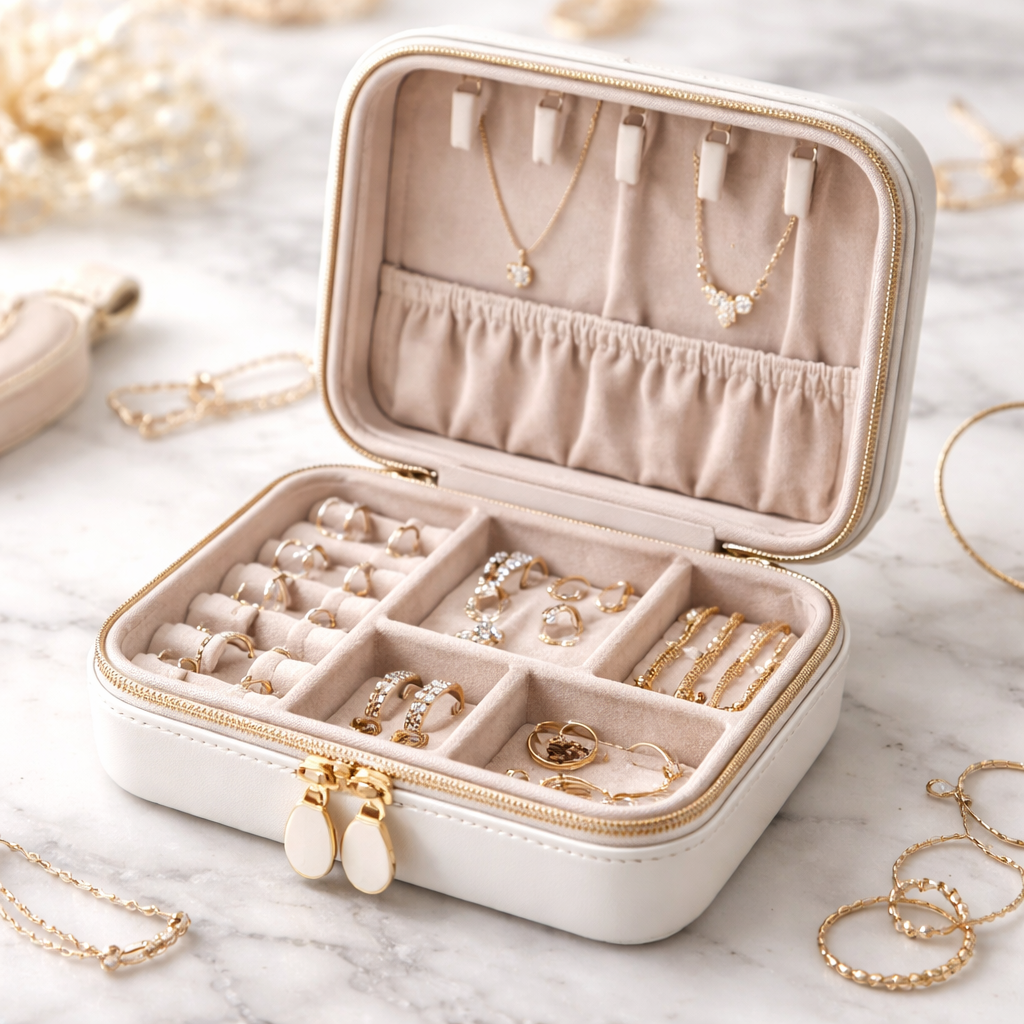
First things first: you need a case that will keep your jewelry safe from bumps, drops, and salty air. A hard‑shell case with a soft interior lining works best. The shell blocks impact, while the lining cushions each piece.
And don’t forget the lock. A simple combination lock adds a layer of security without being a hassle at security checkpoints.
But size matters too. A case that’s too big lets items move around. Look for compartments that hold each ring, earring, and necklace snugly.
Here are three features to check:
- Impact resistance: polycarbonate or aluminum shells absorb shocks.
- Moisture barrier: a sealed interior stops sand and salt from getting in.
- Easy access: a zipper or latch you can open quickly at customs.
When you buy a case, read reviews that mention real travel experiences. A traveler who tested the case on a bumpy road ride can tell you if it holds up.
And if you want a deeper dive into packing tips, you can read How to Store Jewelry When Traveling: Practical Tips for Safe Packing. That article walks through the best case types for different trips.
Now, let’s look at two popular case styles. The first is a compact, zip‑up case that fits in a carry‑on. The second is a larger, rolling case for longer trips. Both have the same protective features, but the compact one is easier to keep close to you.
And remember: a good case is the first line of defense. It won’t stop a thief, but it will stop a drop, a wave, or a careless bag toss.
For more ideas, check out How to Choose and Use an AI Video Script Generator for Faster Production. It shows how simple tools can help you plan any travel gear.
Also see Best Social Media Automation Tools for 2026: Boost Your Workflow for a look at how tech can streamline your packing list.
Step 2: Create a Packing Checklist and Secure Packing
Now that you have the right case, you need a list. A checklist stops you from forgetting a ring or a pair of studs. Write it down, then tick each item as you pack.
And be specific. Instead of “earrings,” write “diamond veneer hoop earrings – 2 pcs – placed in compartment A.” The more detail, the less chance of mix‑ups.
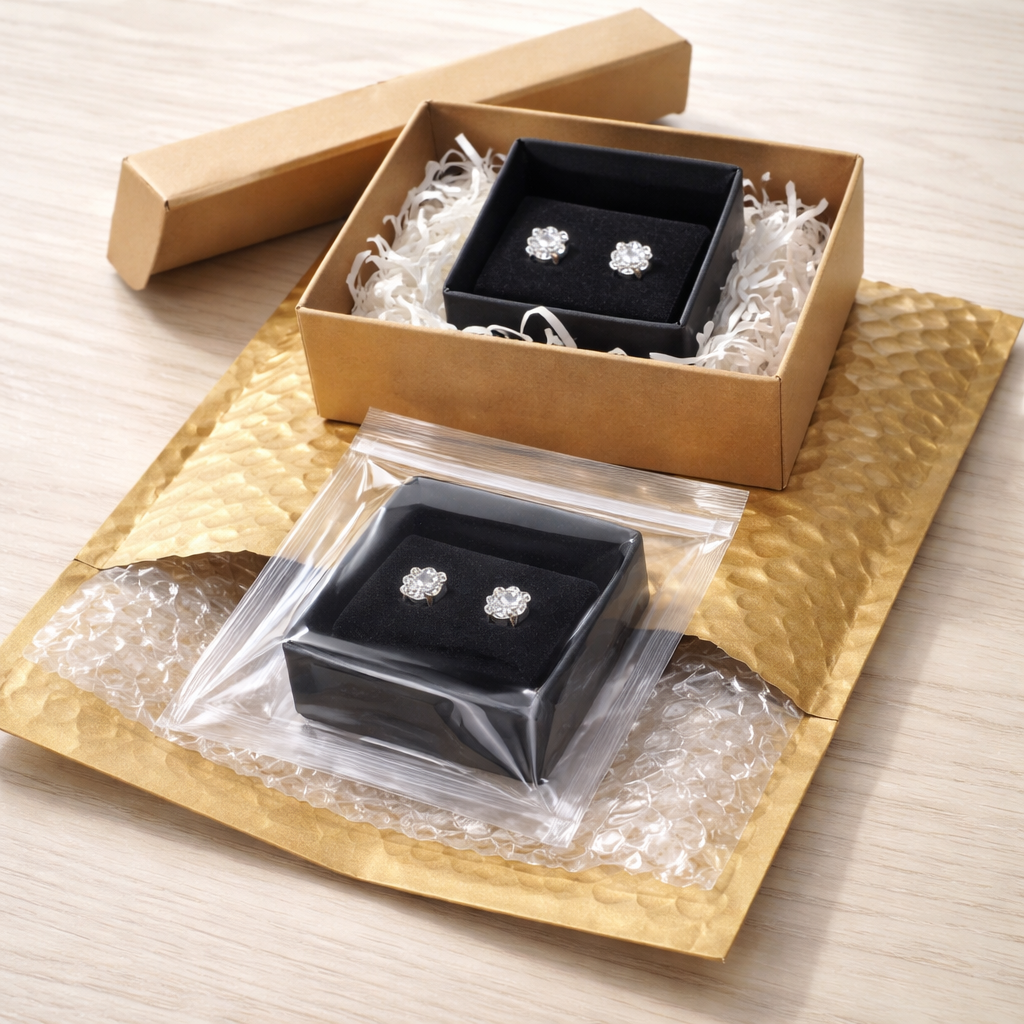
But the real magic is in the layers. The packaging article from Packaging Supplies by Mail explains how layering protects jewelry from bumps and thieves. It says you should start with a small poly bag, then add a bubble mailer, then a kraft box. Each layer adds a cushion and hides the contents.
Here’s a quick table that shows a three‑layer system you can copy:
| Layer | Material | Why it works |
|---|---|---|
| 1 | Poly bag with zip | Stops dust and moisture |
| 2 | Bubble mailer | Absorbs shocks |
| 3 | Kraft box with tape | Conceals and adds strength |
And don’t forget the seal. Use a strong tape like acrylic or kraft tape. A tight seal makes it harder for anyone to pry the case open.
But you also want to keep the jewelry from moving inside the case. Use soft pouches or foam inserts. A piece of tissue paper rolled into a tube works for necklaces. Small jewelry bags keep rings separate.
Here are three checklist items to add:
- Clean each piece before packing – a quick wipe removes sand and salt.
- Label each bag with a discreet code – no one will see “diamonds.”
- Place the case in a carry‑on, not checked luggage, to stay in sight.
And if you’re curious about the science behind packaging, read the full guide at Packaging Is a Diamond’s Best Friend: How to Ship Jewelry. It backs up the steps we just covered.
For a fresh perspective on planning, you might explore How to Choose and Use an AI SEO Audit Tool in 2026. It shows how a checklist mindset applies to many tasks.
And a quick tip: after you pack, shake the case gently. If you hear rattling, add more padding. That simple test catches loose pieces before you board.
Step 3: Insure and Document Your Pieces
Even with the best case and packing, accidents happen. That’s why you need insurance that follows you everywhere.
And the first step is an appraisal. Get a professional to write down the value of each piece. Take clear photos from multiple angles. Save the files on your phone and on a cloud drive.
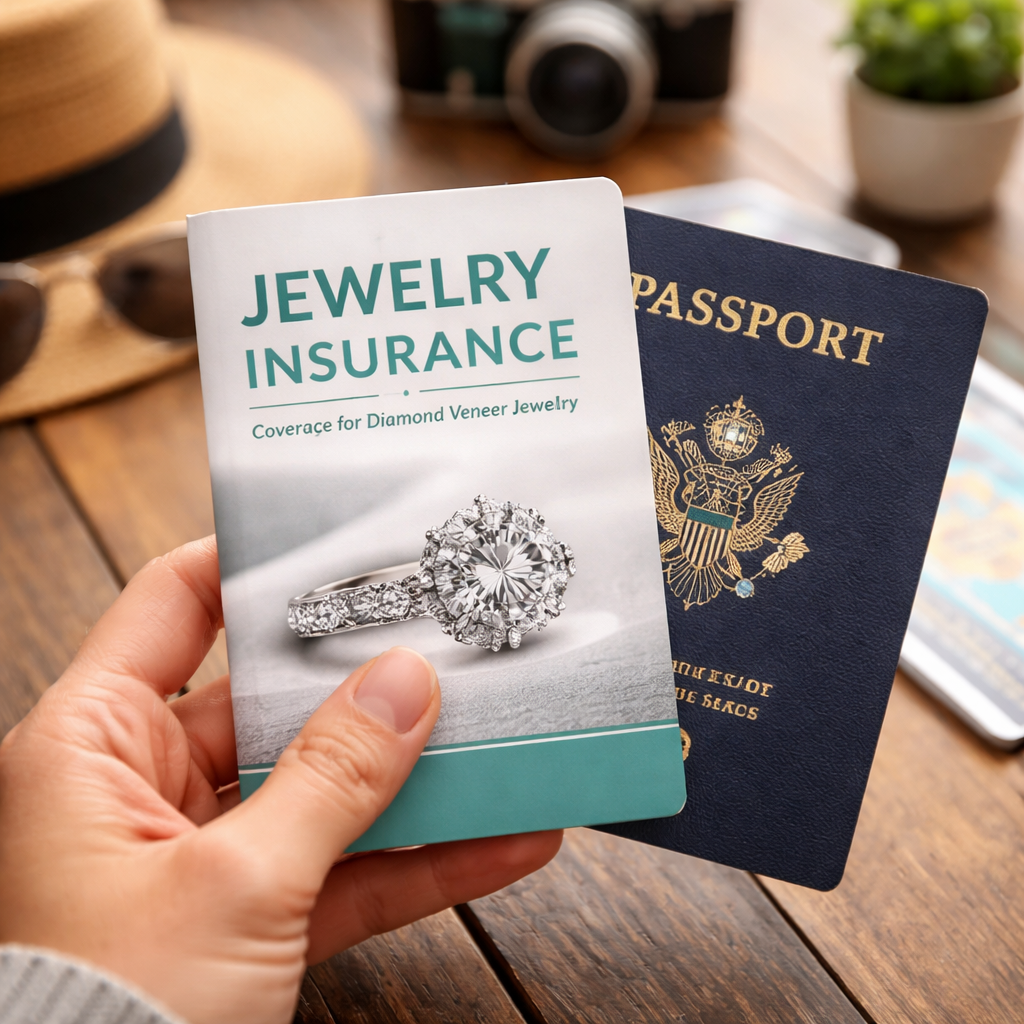
But insurance isn’t just a policy you buy once. Look for a plan that covers worldwide travel, not just your home. The Natural Diamonds guide notes that many homeowners policies cap coverage at $1,000, which is far below the worth of a fine necklace.
Here’s how to set it up:
- Find a jeweler that offers a written appraisal.
- Choose a insurer that offers a jewelry rider or a stand‑alone policy.
- Pay the premium – usually 1% to 2% of the piece’s value per year.
- Keep a copy of the policy in your travel folder and a digital copy in your email.
And always carry a printed receipt and the appraisal when you travel. If something goes missing, you’ll have proof right away.
Now, watch this short video that walks through the paperwork you’ll need at the airport. It shows how a traveler can pull out the appraisal and insurance card quickly during a security check.
And remember: insurance won’t stop loss, but it will pay for repair or replacement, letting you keep enjoying your trips.
If you want to see how other travelers think about coverage, read Traveling with Jewelry. It offers real advice from industry experts.
For a fresh look at tools that help you stay organized, check out Best Social Media Scheduling Software for Marketers in 2026. The same planning mindset can apply to your jewelry documents.
And if you love a visual guide, explore How to Choose and Use an AI Video Script Generator for Faster Production. It shows how a simple workflow can save time, just like insurance paperwork.
Step 4: Stay Vigilant During Transit and On Arrival
The journey itself is full of moments where you can lose track of a piece. The key is to stay alert and keep your jewelry close.
And at the airport, keep the case in your carry‑on, not the checked bag. Put it in the top bin so you can see it as you walk through security.
But once you’re on the plane, use the seat pocket or a small personal bag under the seat. Never leave it in the overhead bin where it can shift.
When you reach your hotel, ask for a safe. If the safe is small, you can still place the case inside a zip‑lock bag for extra moisture protection.
Here are three quick habits:
- Do a quick visual check of the case before you sit down.
- Keep the case out of sight in public areas – a quick glance can deter a thief.
- When you’re out for a walk, wear a single piece on a chain that can be tucked under a shirt.
And if you’re heading to a beach, rinse the case with fresh water after exposure to salt, then dry it thoroughly. Salt can corrode metal over time.
Now, let’s add a few more backlinks that fit naturally. For anyone planning a wedding event, you might read How to Choose the Perfect Wedding Photo Booth Rental: A Step-by-Step Guide. It shares tips on keeping valuables safe at large gatherings.
If you love a good party vibe, look at Photo Booth Rental for Graduation Party: A Step-by-Step Guide. The safety checklist there is similar to what you need for jewelry.
And for a local twist, check Photo Booth Rental Murrieta: A Complete Guide for 2026 Events. It mentions secure storage ideas that work on the go.
Lastly, if you’re heading to a corporate event, read How to Choose the Best Corporate Event Photo Booth Rental for Your Business. The security tips apply to any high‑value item.
By staying aware, you cut down the risk of loss dramatically. And you’ll still get to enjoy the view, the food, the fun, without a single worry about your sparkle.
Conclusion
Traveling with diamond veneer jewelry doesn’t have to be scary. Pick a hard‑shell case, pack with layers, write a clear checklist, and lock everything in a carry‑on. Get a policy that follows you worldwide and keep photos and appraisals on hand. Stay alert at the airport, in the taxi, and at the hotel. With these steps, you’ll know exactly how to protect diamond veneer jewelry while traveling, so you can focus on the sights, the sand, and the memories. Ready to try it on your next trip? Grab your case, make your list, and set off with confidence.
FAQ
What type of case is best for beach travel?
A hard‑shell case with a soft lining works best. It stops drops and blocks sand. Look for a lock and a sealed interior to keep moisture out. The case should have small compartments so each piece stays in place. This way you know exactly how to protect diamond veneer jewelry while traveling to any shore.
Can I put my jewelry in checked luggage?
It’s not recommended. Checked bags are handled roughly and have limited insurance coverage. If you must, use a sturdy case, wrap each piece in a soft pouch, and seal it in a bubble mailer. Still, the safest route is a carry‑on where you stay in sight. This helps you answer how to protect diamond veneer jewelry while traveling with confidence.
How do I document my pieces for insurance?
First, get a professional appraisal that lists each item’s value. Take clear photos from different angles. Save the files on a phone and in cloud storage. Print a copy and keep it in your travel folder. Having these records makes filing a claim easy, and it’s a core part of how to protect diamond veneer jewelry while traveling.
What should I do if my jewelry gets wet at the beach?
Rinse the case in fresh water right away. Dry each piece with a soft cloth, then let the case air dry completely before packing again. Salt can cause corrosion, so quick drying is key. This simple step fits right into the overall plan of how to protect diamond veneer jewelry while traveling.
Are airline or hotel policies enough to cover loss?
No. Airlines often limit liability to a few thousand dollars, and hotels may cap coverage at around $1,000. Those limits are far below the worth of a fine necklace or ring. A dedicated jewelry policy that offers worldwide coverage is the safest way to know how to protect diamond veneer jewelry while traveling.
How often should I update my insurance?
Review your policy any time you add a new piece or your collection’s value changes. Most insurers suggest an annual check‑in. Keep new photos and appraisals ready. Regular updates keep your coverage current, which is a vital step in how to protect diamond veneer jewelry while traveling.
Is it safe to wear my jewelry on a cruise?
Yes, if you store it in the ship’s safe and keep a small piece on you that’s easy to hide. Use a lockable case for the rest. Avoid leaving it in an unlocked cabin drawer. These habits are part of the broader answer to how to protect diamond veneer jewelry while traveling on water.
What are the best backup options for my documents?
Save a digital copy in a secure cloud service and email it to yourself. Also, keep a printed copy in a separate bag from the jewelry. If your phone dies or is stolen, you still have the paperwork. This redundancy is a smart part of how to protect diamond veneer jewelry while traveling.