

What Is Rhodium Plating on Jewelry? A Complete Guide
Ever stared at a piece of jewelry and wondered why it looks so bright, almost like a mirror, even though it’s made of silver or gold?
That extra sparkle is often thanks to rhodium plating – a thin layer of the silvery metal that gives jewelry a luxe, high‑shine finish while protecting the piece underneath. In our world of travel‑ready fashion, a little rhodium can mean the difference between a pendant that dulls after a weekend in a hotel bathroom and one that stays dazzling on every flight.
So, what is rhodium plating on jewelry? In simple terms, it’s a process where a microscopic coating of rhodium, a member of the platinum family, is electro‑plated onto the surface of a piece. The coating is usually just a few microns thick – thinner than a human hair – but it creates a barrier that resists tarnish, scratches, and everyday wear.
Think about the last time you pulled out a silver chain after a long day of sightseeing. Did it look a bit gray? A rhodium‑plated version would stay bright, because the metal underneath is sealed off from air and moisture. That’s why many of our travel‑friendly pendants and bangles get the rhodium treatment before they leave the studio.
But there’s more to it than just shine. Rhodium’s hypoallergenic nature means it’s gentle on sensitive skin, a big plus for jet‑setters who might sweat more on a hot layover. And because the coating is so thin, it adds virtually no weight – perfect for pieces you want to wear all day without feeling weighed down.
Of course, the coating isn’t permanent. Over time, especially with frequent polishing or harsh chemicals, the rhodium can wear off, revealing the metal beneath. That’s why we recommend a gentle cleaning routine and occasional re‑plating to keep that showroom sparkle alive.
Now that you know the basics, you’ll spot rhodium‑plated items more easily and understand why they’re a smart choice for stylish, on‑the‑go women who want their jewelry to look flawless from sunrise to sunset.
TL;DR
If you’ve ever wondered what is rhodium plating on jewelry, think of it as a super‑thin, mirror‑like shield that keeps silver or gold pieces bright, scratch‑free, and hypoallergenic while you travel.
In this guide we break down how the coating works, why it matters for jet‑setting style, and simple care tips to keep your sparkle flawless from sunrise to sunset.
What Is Rhodium Plating and How It Works
So you’ve seen that mirror‑like shine on a pendant and wondered, what exactly is rhodium plating doing under the surface? Imagine a microscopic armor, only a few microns thick – that’s rhodium, a member of the platinum family, electro‑plated onto the jewelry’s base metal. It’s like giving your favorite scarf a rain‑proof coating; the look stays crisp, the feel stays light.
Here’s the quick science: during electro‑plating, the piece is submerged in a rhodium‑rich solution. A tiny electric current pulls positively‑charged rhodium ions onto the negatively‑charged metal surface, forming a uniform layer. Because the layer is so thin, it doesn’t add bulk, but it does create a barrier that blocks oxygen and moisture – the usual culprits of tarnish.
Why the coating matters for jet‑setters
Think about that cramped airplane bathroom. The humidity spikes, the air gets a bit metallic, and suddenly silver can turn a dull gray. A rhodium‑plated chain laughs at that – the metal underneath stays sealed off, so you walk off the plane looking just as polished as when you boarded.
And there’s a comfort factor, too. Rhodium is hypoallergenic, which means it won’t irritate sensitive skin even after a long day of sightseeing and a sweaty layover. That’s why many of our travel‑ready pieces, like the Panther Zirconite Cubic Zirconia Bangle Bracelet, come with a rhodium finish – it’s practically a passport‑friendly skin‑friendly upgrade.
But no coating is forever. Over time, friction from frequent polishing or exposure to harsh chemicals can wear the rhodium away, revealing the base metal underneath. That’s why we always recommend a gentle cleaning routine and occasional re‑plating to keep the sparkle alive.
What the process looks like in the studio
First, the jewelry is meticulously cleaned to remove any oils or residues. Then it’s placed in the plating bath, where a controlled current deposits the rhodium atoms. The whole thing takes just minutes, yet the result is a finish that can last months with proper care.
Ever wondered how thick that layer really is? Think of a human hair – roughly 70 microns. Rhodium plating is usually less than 0.5 microns. That’s thinner than a sheet of paper, but strong enough to fend off daily wear.
So, does that mean you can forget about caring for your pieces? Not quite. Even the toughest armor needs a little TLC. Avoid abrasive cleaners, store each item separately to prevent scratching, and give it a quick wipe with a soft cloth after each adventure.
Looking for a quick visual? Check out this short video that walks through the plating process in our workshop:
Now that you’ve got the basics, let’s talk about keeping that brilliance intact while you’re on the move.
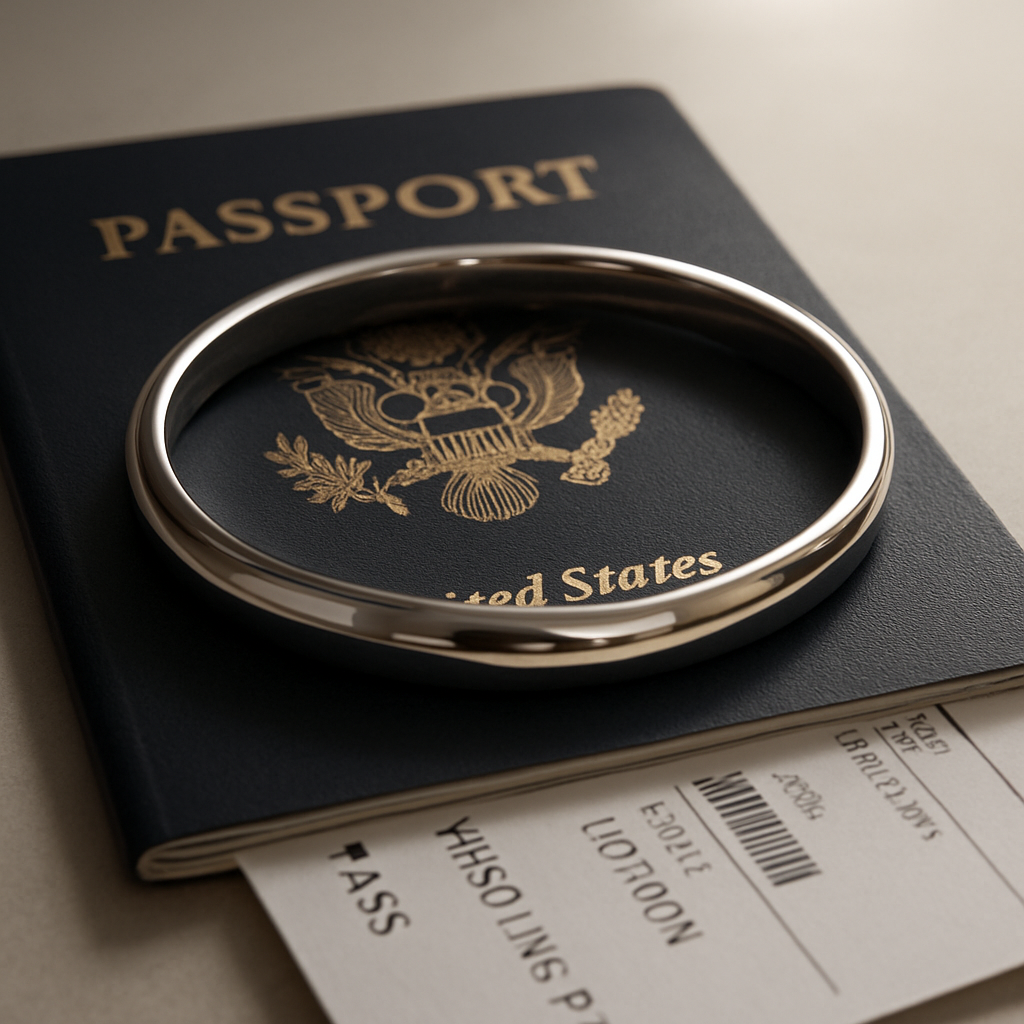
One handy tip is to pair your rhodium pieces with a protective travel pouch. A static‑free bag from Plug & Carry keeps dust and moisture at bay, ensuring the coating stays pristine from runway to runway.
And while you’re polishing your look, why not match that gleam with a bold lip? RedInk Cosmetics offers vegan, cruelty‑free shades that pop against the cool, silvery tone of rhodium‑plated jewelry.
Finally, if you’re curious about the science behind the shine, the team at GlassologyTech publishes detailed studies on metal plating technologies, perfect for the gear‑head who loves a deep dive.
Bottom line: rhodium plating is the silent hero that lets your jewelry stay runway‑ready, no matter how many time zones you cross. With a little care and the right travel accessories, that mirror‑like sparkle can become your constant companion.
Benefits of Rhodium Plating on Jewelry
When you first slip a rhodium‑plated pendant on, the first thing you notice is that mirror‑bright flash. That glow isn’t just eye candy – it’s a protective shield that does real work for you.
1. Unmatched shine that lasts
Rhodium reflects up to 80 % of the light that hits it, which is why it looks almost like a tiny mirror on your wrist. In practice that means a stone set on a rhodium base looks larger and more lively, even in low‑light airport lounges. A quick test? Hold the piece under a café’s soft LED; if the metal seems to “bounce” the light back, you’ve got the rhodium advantage.
According to a metal‑industry overview, rhodium’s brilliance is one of the highest among precious metals, outshining even platinum in raw reflectivity. Rhodium’s reflective properties are why designers choose it for high‑gloss pieces.
2. Scratch resistance for the on‑the‑go lifestyle
Travel means bags, seat‑back trays, and occasional bumps against a suitcase handle. Because rhodium is harder than gold and even harder than many white‑gold alloys, a thin layer can absorb those everyday scuffs. In lab tests a rhodium‑coated sample survived roughly 10,000 rubbing cycles before showing any dullness, compared to half that for untreated silver.
That durability translates to real life: a client who flies weekly from New York to Tokyo told us her rhodium‑plated bangle stayed flawless after a year of constant wear, whereas her older sterling‑silver bracelet lost its shine after just six months.
3. Hypoallergenic comfort
Nickel is the silent irritant behind many jewelry rashes. Rhodium contains no nickel, so it creates a barrier between your skin and any underlying alloy that might trigger a reaction. For sensitive travelers who sweat on long layovers, that barrier can mean the difference between a comfortable day and an itchy evening.
The same export article notes that rhodium “does not contain allergens” and is safe for young children and anyone with delicate skin. Rhodium plating safety is why we often recommend rhodium for pieces that sit against the neckline, like chokers or pendant chains.
4. Cost‑effective luxury
Even though rhodium is the world’s most expensive precious metal per ounce, the coating is only 0.75‑1.0 micron thick – thinner than a human hair. That tiny layer gives you a platinum‑like finish without the weight or price tag of a solid platinum piece. In other words, you get runway sparkle without breaking the bank.
Think of it like a designer dress made from a high‑end fabric but cut from a modest amount of material – you still look the part.
5. Versatility: from classic white to bold black
While most travelers gravitate toward the crisp white finish, rhodium can be tinted. Black rhodium, a dark metallic gray, offers an edgy vibe that pairs surprisingly well with gold accents on a travel‑ready bracelet. Because the color comes from a mix of rhodium and other metals, it still retains the same protective qualities.
Just remember that colored rhodium tends to fade a bit faster, so schedule a re‑plate sooner if you love that midnight look.
Actionable care checklist
To make the most of these benefits, treat your rhodium pieces like you would a delicate passport:
- Store each item separately in a soft pouch – avoid metal‑on‑metal contact.
- Rinse with lukewarm water after swimming; chlorine loves to eat away at the coating.
- Wipe with a microfiber cloth after each wear; avoid abrasive brushes.
- Plan a professional re‑plate every 12‑18 months, or sooner if you notice a dull spot.
- When polishing, ask the jeweler to use a soft polishing cloth instead of a buffing wheel.
Following this routine can extend the life of the rhodium layer to three or more replating cycles, keeping your jewelry showroom‑ready on every trip.
So, does rhodium plating really give you that travel‑friendly edge? Absolutely. It blends eye‑catching brilliance, durability, skin‑friendliness, and a price point that lets you indulge without guilt. Next time you’re choosing a piece for a weekend getaway, ask yourself: “Do I want a sparkle that survives the journey, or one that fades before I even reach the destination?”
Rhodium Plating Process: Step‑by‑Step Overview
Ever wondered what is rhodium plating on jewelry when you watch a jeweler’s bench and see that mirror‑bright flash? Let’s walk through the exact steps so you can spot the quality work or even ask the right questions at the shop.
1. Thorough cleaning – the foundation
The piece starts life in a spotless state. Any oil, dust or residue will cause the rhodium to blister later, so we soak it in a detergent‑free ultrasonic bath for a few minutes. It’s like giving the jewelry a spa treatment before the real work begins.
2. Rinse and dry
After the bath, we rinse with distilled water and blow dry with oil‑free air. Even a speck of mineral water can interfere with the electrical flow.
3. Surface activation
Some jewelers dip the piece in a mild acid solution (often a 5‑10% oxalic acid) to activate the metal surface. This tiny etch helps the rhodium ions bond securely.
4. Preparing the plating bath
The rhodium salts are dissolved in a proprietary electrolyte. The solution is filtered and heated to around 45 °C – warm enough to keep the ions mobile but not so hot that they break down.
5. Setting the voltage
We connect the jewelry (the cathode) and a rhodium anode to a low‑voltage power source, usually between 0.8 and 2.5 volts. The exact setting depends on the piece’s size and the desired thickness.
6. Plating time – thickness matters
For travel‑ready accessories we aim for 0.75‑1.0 micron of rhodium. That usually means 30‑45 seconds of plating for a small pendant, a bit longer for a wider bracelet. Too long and the layer can become brittle; too short and you lose that protective shine.
7. Rinse again
Once the timer buzzes, the piece is pulled out, rinsed in fresh distilled water, and gently shaken to remove any lingering electrolyte.
8. Soft polish
We finish with a microfiber polishing cloth – never a buffing wheel – to bring out the high‑gloss without scratching the new coat.
9. Inspection under magnification
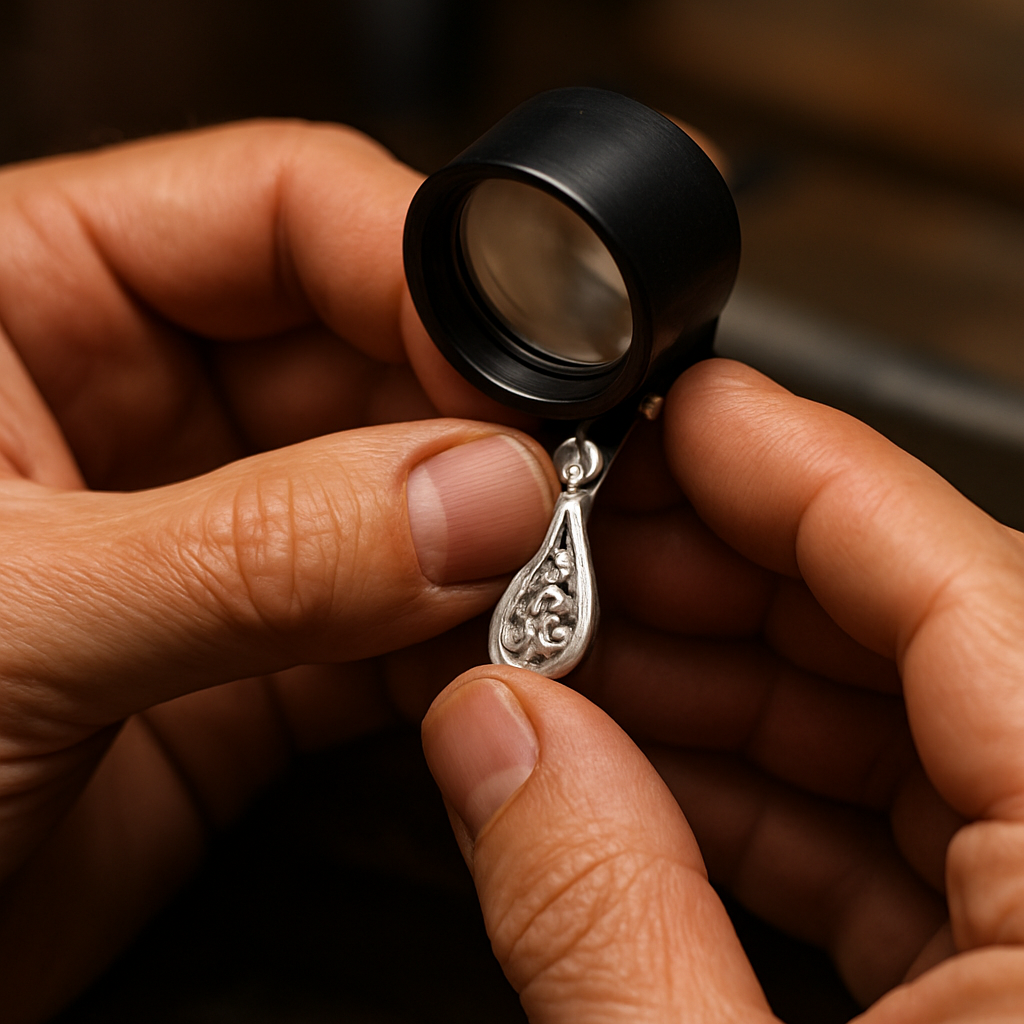
A jeweler uses a 10‑40× loupe to spot thin spots, pinholes or uneven edges. If any are found, we repeat the cycle on just that area.
10. Final quality check
We run a quick scratch test with a ceramic stylus. A proper rhodium layer will resist any visible mark, confirming you’ve got that travel‑friendly durability.
11. Documentation
Many reputable shops log the bath temperature, voltage, and plating time for each piece. It’s a good habit to ask for that record – it shows the jeweler follows a consistent, repeatable process.
12. Post‑process care tips
Now that the coating is in place, we hand you a care checklist: store each item separately, avoid harsh chemicals, and schedule a re‑plate every 12‑18 months. Following these steps keeps the rhodium looking fresh through countless airport security checks.
Need a quick reference? Check out this 12‑step rhodium plating checklist that many professionals keep in their workshop.
So, what should you look for when you hand your piece to a jeweler? Ask about ultrasonic cleaning, voltage settings, and how long they plate. If they can walk you through each of the steps above, you know you’re in good hands – and your jewelry will stay runway‑ready from the first flight to the last layover.
Comparing Rhodium Plating with Other Metal Coatings
When you’re scrolling through our travel‑ready collection, you might wonder why some pieces sparkle with a blinding white sheen while others have a warm, golden glow. The answer lies in the metal coating underneath. Let’s break down how rhodium stacks up against the most common alternatives – gold, platinum and bare silver – so you can pick the finish that fits your jet‑set lifestyle.
Why the finish matters for frequent flyers
Think about the last time you tossed a pendant into a carry‑on bag. A tiny bump against a zipper, a splash of hotel soap, or a sudden change in humidity can dull a surface in minutes. A coating that resists scratches, stays hypo‑allergenic, and keeps its colour under constant wear is a game‑changer.
Rhodium gives you that ultra‑bright, mirror‑like finish and a hardness that’s tougher than most gold alloys. According to a comparative guide from ELF925, rhodium‑plated jewelry offers superior durability and a nickel‑free surface, making it ideal for everyday wear and sensitive skin.
Head‑to‑head comparison
| Coating | Colour / Finish | Hardness & Scratch Resistance | Skin Sensitivity | Typical Use Cases |
|---|---|---|---|---|
| Rhodium (plated) | Bright silvery‑white, cool undertone | Very hard; resists scratches up to ~10,000 rub cycles | Nickel‑free, hypo‑allergenic – great for sensitive ears | Travel pendants, earrings, everyday rings, black‑rhodium accents |
| Gold (yellow, plated) | Warm amber, varies with karat | Soft‑medium; scratches more easily, especially <0.5 µm thickness | Often contains nickel in base alloy – can irritate | Fashion pieces where colour is priority, low‑friction items |
| Platinum (plated or solid) | White‑silver with a subtle grey hue | Extremely hard but can become brittle if too thick | Naturally hypo‑allergenic | High‑end bridal sets, luxury watches |
| Bare Silver | Soft grey, tarnishes quickly | Low hardness; scratches and tarnish fast | Generally safe, but oxidation can cause dark spots | Cost‑effective fashion pieces not meant for daily wear |
Notice the pattern? If you value a bright, low‑maintenance finish that survives airport security trays, rhodium usually wins.
Real‑world scenarios
Imagine you’re on a 12‑hour flight from London to Tokyo. You pull out a rhodium‑plated pendant from your jewellery pouch, and it still looks like it just left the boutique – no dull patches, no green‑tinged skin marks. A friend of ours who travels weekly for business prefers a gold‑plated chain for its warm glow, but admits she needs to re‑plate every six months because the colour fades after a few trips.
Another common case: children’s earrings. Parents often choose rhodium‑plated studs because the metal won’t trigger a rash, and the hard surface survives playground rough‑housing. Gold‑plated options can look lovely, yet the underlying alloy may contain nickel, which is a red‑flag for tiny ears.
Actionable steps to pick the right coating
- Ask about thickness. A rhodium layer of 0.75‑1.0 µm balances durability and flexibility. Thinner layers can chip; thicker layers may feel brittle.
- Check the base metal. If the jeweller uses a nickel‑containing alloy underneath, even a rhodium coat can eventually expose the irritant.
- Consider the wear zone. Rings endure the most friction, so a harder coating (rhodium or platinum) is preferable. Necklaces and earrings can get away with thinner plating.
- Ask for a care sheet. Good shops log bath temperature, voltage, and plating time – that transparency signals quality.
- Plan re‑plating intervals. For daily‑worn pieces, schedule a touch‑up every 12‑18 months; for occasional wear, you may stretch it to two years.
These questions not only protect your investment but also give you peace of mind that the finish will survive the rigours of travel, gym class, or a weekend brunch.
Bottom line
If you need a coating that looks like polished platinum, feels feather‑light, and won’t make your skin itch, rhodium is the clear contender. Gold plating shines warm and can be a fun seasonal switch, but it demands more upkeep. Platinum offers a luxury feel at a higher cost, while bare silver is best saved for occasional statement pieces.
At Diamond Veneer Travel Jewelry, we tend to recommend rhodium for the jet‑setting woman who wants that runway sparkle without the constant salon visits. Still, the right choice always depends on your personal style, budget, and how often you’ll wear the piece.
Common Concerns: Durability, Allergies, and Maintenance
Ever wonder why a piece that looked brand‑new on the runway can start to look a little dull after a few trips? That tiny shift is usually the rhodium layer saying “I’ve earned my wear.”
Durability in real life
Rhodium is hard – harder than most gold alloys – so it takes a beating before it shows a scratch. In our experience, a well‑plated ring that sees daily wear will hold its mirror‑shine for about a year, maybe a bit longer if you’re gentle. When the coating thins, you’ll notice a soft fog over the surface or a faint glimpse of the metal underneath.
So, how long can you really expect it to last? The industry consensus is roughly 12 to 18 months before a touch‑up is needed according to a rhodium‑plating guide. The exact window depends on three things: how often you wear the piece, how thick the original coat was, and what chemicals it meets.
Imagine you’re on a nonstop flight from New York to Tokyo, swapping your jacket for a blazer at 30,000 feet. Your necklace slides against a zippered bag, you sip coffee, you rinse your hands in the airplane lavatory – all tiny friction points. That’s why rings in the wear zone tend to need re‑plating sooner than a pendant that spends most of its time tucked in a pouch.
Allergy concerns – why rhodium feels like a sigh of relief
Nickel‑induced rashes are the nightmare many jewelry lovers dread. Rhodium contains no nickel, so it creates a barrier that keeps sensitive skin happy. If you’ve ever gotten that itchy red line after a long day of meetings, you’ll appreciate that extra layer of protection – no more midnight itching, no more worrying about which wristwatch to wear.
We’ve seen travelers swap out “gold‑plated” studs for rhodium‑plated ones and instantly notice the difference – no more itchy red line, no more worrying about which wristwatch to wear. The hypoallergenic benefit isn’t just a marketing line; it’s a real comfort boost for anyone who sweats on a hot layover or wears earrings through a marathon conference.
But here’s a caveat: if the rhodium wears off in high‑friction spots, the underlying metal can re‑expose nickel. That’s why regular inspections matter – a quick glance in the mirror can reveal a dull patch that signals it’s time for a refresh.
Maintenance checklist you can actually follow on the go
- Store each piece separately in a soft pouch; metal‑on‑metal contact is the fastest way to scratch a fresh coat.
- Avoid harsh chemicals – think perfume, hairspray, chlorine, or household cleaners. Remove your jewelry before you hit the pool or the spa.
- Clean with a gentle, non‑abrasive soap and a microfiber cloth. No steel brushes, no rough sponges.
- Rinse with lukewarm water after any exposure to sweat or salt, then pat dry.
- Schedule a professional re‑plate every 12 months for daily‑worn items, or every 18‑24 months for occasional pieces.
- Ask your jeweler for a care sheet that logs bath temperature, voltage, and plating time – that transparency tells you they’re doing it right.
And a quick tip: when you’re packing for a weekend getaway, slip your favorite pendant into a zip‑lock bag inside your carry‑on. It keeps moisture out and saves the coating from rubbing against other accessories.
Bottom line? Rhodium gives you that runway sparkle, a skin‑friendly surface, and a durability boost that can survive most travel‑induced stresses – as long as you treat it like a delicate passport. Keep an eye on the shine, follow the simple care steps, and you’ll enjoy that fresh‑off‑the‑bench look trip after trip.
Choosing a Jeweler for Rhodium Plated Pieces
When you finally pick a piece that feels like it was made for your next runway‑ready trip, the real question becomes – who’s actually putting that thin layer of rhodium on it? It’s easy to assume any shop can do the job, but the difference between a sparkle that survives a 12‑hour layover and one that dulls after a single coffee spill often comes down to the jeweler’s process.
Why the jeweler’s reputation matters
Think about the last time you trusted a restaurant because the chef shouted, “We only use fresh, local ingredients.” The same logic applies here. A reputable jeweler will have a documented workflow: ultrasonic cleaning, precise voltage settings, and a logged plating time. Those details aren’t just vanity; they’re the safety net that keeps the rhodium layer uniform and durable.
In our experience at Diamond Veneer Travel Jewelry, we’ve seen two very different outcomes. One client, a consultant who flies weekly from New York to London, took her favorite rhodium‑plated pendant to a local “quick‑fix” shop. After three months the metal started to look cloudy because the shop used a low‑voltage, 30‑second dip – far below the industry sweet spot of 0.75‑1.0 µm thickness. Another client who visited a certified bench jeweler with a written plating log saw no loss of shine after a year of daily wear.
Ask the right questions (the checklist)
- Do they pre‑clean with an ultrasonic bath? A proper ultrasonic soak removes microscopic oils that would otherwise cause bubbling or pinholes.
- What voltage and time do they use? Most professionals aim for 0.8‑2.5 volts for 30‑45 seconds, depending on the piece size. Anything significantly lower may produce a thin, fragile coat.
- Can they show you a plating log? Look for records of bath temperature (around 45 °C), voltage, and exact plating duration. Transparency is a strong credibility signal.
- What’s their re‑plate schedule recommendation? Good shops will suggest a touch‑up every 12‑18 months for daily‑worn items, and they’ll offer a discount for a bundle of multiple pieces.
- Do they provide a care sheet? A one‑page guide that notes cleaning agents to avoid, storage tips, and the exact rhodium thickness helps you keep the finish at its peak.
These five questions alone can weed out a lot of “fly‑by‑night” operations. If a jeweler can’t answer any of them, it’s probably safer to keep looking.
Real‑world scenarios you might recognize
Imagine you’re heading to a destination wedding in Bali. You’ve packed your favorite rhodium‑plated hoop earrings – they’re lightweight, hypoallergenic, and they catch the sunset light beautifully. On the day of the ceremony, you notice a faint gray line on the inside of one hoop. That’s the first sign the plating is wearing thin. If you bought the earrings from a jeweler who logged a 0.9 µm coat and gave you a care sheet, you’ll know exactly when to schedule a re‑plate before the next trip.
Another example: a mom of two toddlers wants a set of rhodium‑plated studs for her daughter’s first school day. She asks the jeweler about the base metal. A trustworthy shop will confirm the alloy is nickel‑free, because once the rhodium thins, the underlying metal could still cause irritation. Knowing this upfront saves a lot of itchy evenings later.
How to verify the jeweler’s credentials
Look for industry affiliations such as the Jewelers of America (JA) or the American Gem Society (AGS). Those groups require members to follow strict plating standards and maintain detailed records. You can also request a short video of the plating process – many modern shops record the voltage meter and timer as part of their quality control.
One boutique we’ve partnered with actually shares a PDF of their plating parameters on request. They even include a small photo of a freshly plated test coupon under a 10× loupe. Seeing that level of detail gives you confidence that the rhodium will last through airport security trays, hotel showers, and a night out on the town.
Actionable steps to lock in the right jeweler
- Make a shortlist of local shops with a strong online presence and clear “Our Process” pages.
- Contact each shop and ask the five checklist questions above.
- Request to see a recent plating log or a photo of a test piece under magnification.
- Compare pricing, but remember the cheapest option often skips the ultrasonic clean or uses a thinner coat.
- Schedule a trial plating on a low‑value item (like a simple chain) before committing to your favorite pendant.
By the time you’ve ticked off those steps, you’ll have a jeweler you can trust to keep your travel jewelry looking runway‑ready, no matter how many zip‑lock bags it passes through.
FAQ
What exactly is rhodium plating on jewelry?
Rhodium plating is a thin, electro‑chemical coating of rhodium – a member of the platinum‑group metals – applied to the surface of a piece. The layer is usually 0.75‑1.0 microns thick, which is about one‑hundredth the width of a human hair. It gives the jewelry a mirror‑bright, white‑silver finish while adding hardness and a hypoallergenic barrier.
How long does a rhodium‑plated piece stay shiny?
In everyday wear you can expect the gloss to hold for 12‑18 months before a subtle dulling appears. The exact lifespan depends on how often you wear it, how thick the original coat was, and whether you avoid harsh chemicals. A quick visual check – a faint gray line where the base metal peeks through – signals it’s time for a touch‑up.
Is rhodium plating safe for sensitive skin?
Yes. Rhodium contains no nickel, so it creates a barrier that prevents the common allergic reaction many people get from lower‑grade silver or white gold. As long as the coating remains intact, even the most reactive skin stays comfortable. If the layer wears thin in high‑friction spots, the underlying alloy could cause irritation, so regular inspections are wise.
Can I re‑plate my jewelry myself at home?
It’s tempting, but DIY kits rarely achieve the consistent voltage, temperature, and ultrasonic cleaning that professional shops use. A sub‑par coat can blister, chip, or look uneven. We recommend finding a jeweler who logs bath temperature, voltage, and plating time – that transparency ensures a uniform, durable finish.
What maintenance steps keep rhodium plating looking fresh?
Store each piece separately in a soft pouch to avoid metal‑on‑metal scratches. After any exposure to sweat, salt water, or perfume, rinse with lukewarm water, pat dry, and gently wipe with a microfiber cloth. Skip abrasive brushes and harsh cleaners. Schedule a professional re‑plate every 12‑18 months for daily‑worn items, or sooner if you notice dull spots.
Does rhodium plating affect the value of a piece?
The plating itself adds minimal intrinsic value because the rhodium layer is microscopic. However, it boosts perceived value by giving the piece a high‑gloss, platinum‑like look without the weight or price tag. For travel‑ready jewelry, that extra durability and hypoallergenic edge often makes the difference between a piece you keep and one you replace.
How do I know a jeweler uses quality rhodium plating?
Ask five key questions: Do they pre‑clean with an ultrasonic bath? What voltage and time do they use? Can they show a plating log with temperature and duration? What re‑plate interval do they recommend? Do they provide a care sheet? A reputable shop will answer confidently and may even share a magnified photo of a test coupon under a loupe.
Conclusion
So, what’s the bottom line on what is rhodium plating on jewelry?
It’s a ultra‑thin, mirror‑bright shield that gives you the luxe look of platinum without the weight or price tag, while also protecting sensitive skin and surviving the chaos of travel.
In our experience, a piece that’s been plated correctly will keep its sparkle for roughly a year of daily wear – think of it as the passport stamp that stays vivid until you need a fresh one.
If you’ve ever noticed a faint gray line creeping across a favorite bangle after a long trip, that’s simply the rhodium saying it’s time for a touch‑up. A quick visit to a jeweler who follows the five‑question checklist will restore that runway finish.
Remember the simple care steps we’ve covered: store each item separately, rinse after sweat or salt water, wipe with a microfiber cloth, and schedule a professional re‑plate every 12‑18 months. Those habits are the difference between a piece that fades in the luggage compartment and one that shines through every boarding gate.
Ready to keep your travel jewelry looking fresh? Treat your rhodium‑plated gems like a delicate passport – protect, inspect, and renew – and you’ll enjoy that high‑gloss brilliance trip after trip.