

Everything You Need to Know About Diamond Veneer Jewelry
Picture this: you’re stepping off a private jet in Milan, the sun catching the sparkle of a delicate piece that looks just like a real diamond, but won’t set off the customs alarm. That moment of effortless glamour is what we call the magic of diamond veneer jewelry – a luxe shortcut for the savvy, globe‑trotting woman who wants high‑impact style without the baggage of real stones.
And yet, many travelers still wonder if the shimmer is “real enough.” The truth is, the secret lies in a thin layer of carbon‑infused diamond particles bonded to premium cubic zirconia. This coating, which we call the Diamond Veneer, gives each gem a fire‑like brilliance that rivals mined diamonds, while keeping the pieces lightweight enough for a carry‑on bag.
In our experience, the biggest hurdle is confidence. Some clients hesitate because they can’t tell the difference on the spot. A quick tip? Hold the piece up to a bright light and watch the rainbow‑like flashes – that’s the hallmark of the veneer’s engineered sparkle. If you’re still unsure, try the “fog test”: breathe on the stone; a genuine diamond will stay clear, whereas a coated CZ will fog for a split second before clearing.
Real‑world example: a fashion‑forward executive recently chose a Diamond Veneer Technology Diamond Carbon Coating pendant for a week‑long conference in Dubai. She reported zero compliments about “fake” jewelry, yet loved the ease of packing – no heavy, expensive gems, just a piece that turned heads.
So, how do you pick the right piece? Start by matching the metal tone to your travel wardrobe – 14K gold for classic evenings, sterling silver for daytime city tours. Next, consider the setting: bezel‑set pieces protect the coating better than prong settings, which is crucial when you’re on the move.
And here’s a practical step‑by‑step you can follow right now: 1) Identify the occasions on your upcoming itinerary; 2) Choose a versatile style (think a tennis bracelet or a simple stud that pairs with everything); 3) Verify the piece uses the Diamond Veneer coating; 4) Test the sparkle in natural light before you board; 5) Pack it in a soft pouch to avoid scratches.
While you’re curating your travel look, think about the whole aesthetic – radiant skin, flawless hair, and that perfect accessory. Pairing your jewelry with a premium skincare routine can keep you glowing from runway to runway. For a seamless beauty upgrade, check out Sade Skin’s luxury skincare treatments, which cater to the same discerning women who appreciate high‑end travel jewelry.
TL;DR
Diamond veneer jewelry gives globe‑trotting women real‑diamond sparkle without the weight or customs hassle, so you can jet‑set confidently with a premium look.
Pick a bezel‑set, metal‑matched piece, test its fire in natural light, and pack it in a soft pouch for effortless style on any itinerary, perfectly every time.
Understanding Diamond Veneer Jewelry Materials
Let’s be honest: for many of our Missy travelers, the sparkle has to read real even when you’re hopping between meetings and check‑ins across continents. Diamond veneer jewelry gives you that shimmer without weighing you down or blowing your budget.
What makes it possible is a tiny, high‑tech trick: a Diamond Veneer coating—a carbon‑infused layer of diamond particles—bonded to premium cubic zirconia. The result is a gem that flashes like a real diamond in natural light, but sits on a CZ core that’s lighter and more affordable. In our experience, the coating is durable enough for travel, especially when paired with smart settings.
Three parts that matter
- Diamond Veneer coating: a micro-thin, carbon-infused layer that refracts light with high fire, boosting brilliance without bulk.
- Base cubic zirconia: the stone’s clear, glassy appearance; provides shape and structure while staying lightweight.
- Metal substrate: often 14K gold or sterling silver; the tone protects the coating.
Bezel-set designs tend to guard the coating from scratches during flights and busy days. If you’re chasing a more secure look, a bezel is your friend.
In our experience, bezel settings help protect the Diamond Veneer coating, so you can wear a gorgeous piece through busy travel days without worrying about touchups.
Let me explain how to test the sparkle: hold the piece up to bright daylight and watch the flashes dance.
If you breathe on the stone and it clears quickly, you’re seeing genuine veneer brilliance rather than a dull faux finish.
And yes, you can trust what you see in a well-lit lobby or sunny atrium—the Diamond Veneer carries its own reliability in real-world light. For a quick sanity check, compare bezel-set versus prong settings; you’ll notice the coating’s glow in daylight is more consistent with bezel protection.
Pair the shimmer with skincare routines—Sade Skin offers luxe treatments that keep you photo-ready on the go. And if your travel schedule is packed, you might appreciate the convenience of services like a personal driver for a day in Boston and New England to maximize your time. For wellness on the road, check out tips from XL R8 Well.
Here's a quick overview video to see the Diamond Veneer sparkle up close.
That video helps you see the fire under natural light, not just a glossy page.
To help you visualize the idea, here’s a concept image: 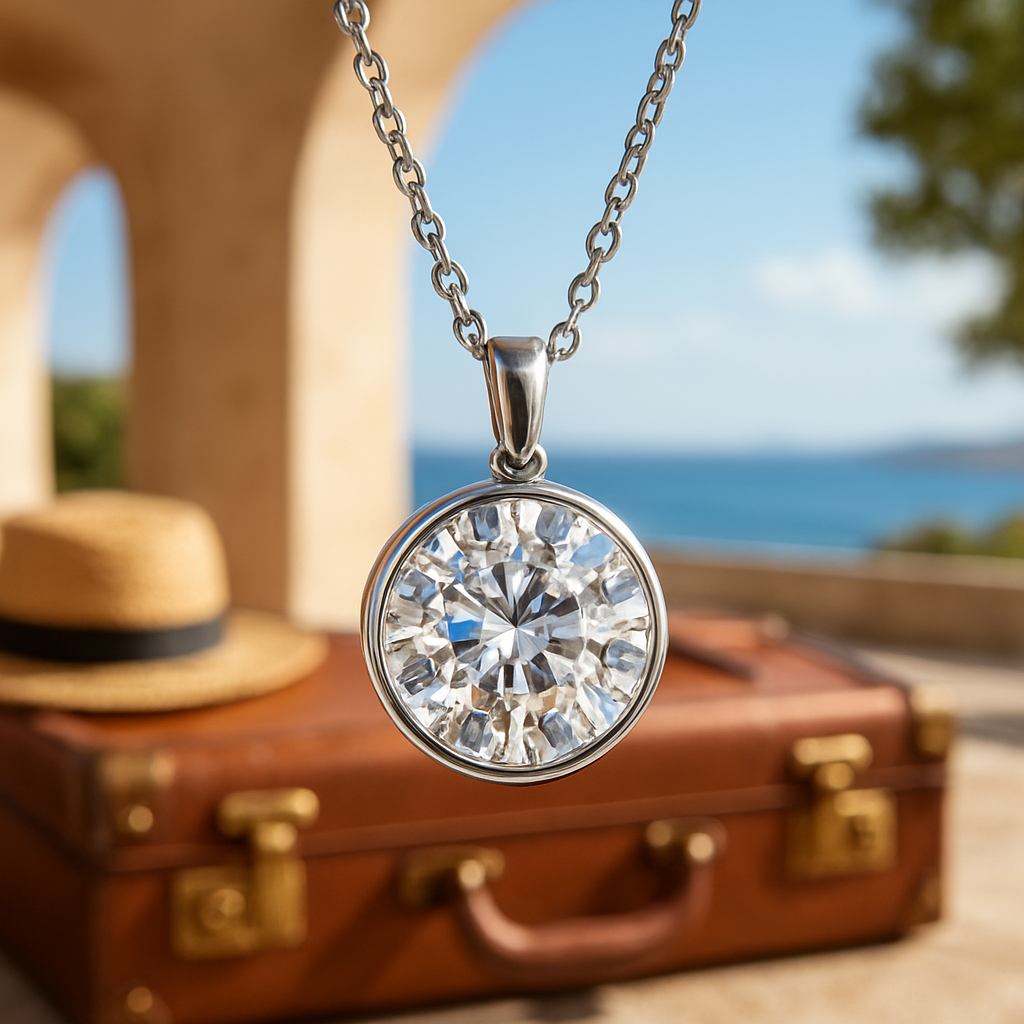
With these materials in mind, you’re ready to pick pieces that sparkle in sun and city lights alike. Our picks favor bezel-set designs for durability, versatile silhouettes, and metal tones that match a travel wardrobe—perfect for the globe-trotting woman who expects premium shine without compromise. Start by testing a piece in daylight next time you travel. Travel tech and style, all in one spark. Yep, you can start today.
Benefits of Choosing Diamond Veneer Over Traditional Diamonds
Imagine stepping onto a balcony in Paris, the evening light catching a glint that looks just like a mined diamond, yet you didn't have to worry about customs paperwork or a heavy stone rattling in your carry‑on.
First off, the price point is a game‑changer. Because the sparkle comes from a thin carbon‑infused coating on cubic zirconia, you get that fire for a fraction of the cost of a certified diamond, freeing up budget for first‑class upgrades or a designer handbag.
Second, weight matters when you’re jet‑setting. A traditional diamond can feel surprisingly heavy in a delicate pendant, but a veneer piece is featherlight, so you can layer multiple items without your neck feeling like it’s carrying a tiny safe.
Third, durability is built‑in. The bezel setting we recommend shields the coating from everyday bumps, and the veneer itself resists scratches better than plain CZ because the carbon layer adds a hard surface.
Fourth, there’s an ethical peace of mind. You get the visual allure of a diamond without the mining concerns that weigh on many travelers’ consciences, which aligns with a luxe lifestyle that also respects the planet.
Fifth, style flexibility shines. Because the veneer mimics fire across the spectrum, it pairs beautifully with both cool silver and warm gold tones, letting you match pieces to any outfit—from boardroom power suits to sunset rooftop cocktails.
Imagine a fashion‑forward executive boarding a morning flight to Dubai. She slides on a diamond veneer tennis bracelet, and the sunrise hitting the sea‑glass stones creates a cascade of colour that rivals any real diamond—yet her security check breezes past, and she’s ready to network without the weight of an investment piece.
When you compare price per carat, a 0.75 ct diamond veneer ring can cost under €200, whereas a comparable mined stone often tops €5,000. That savings translates directly into more runway time, spa treatments, or a last‑minute upgrade to first class.
Maintenance is low‑effort, too. A quick wipe with a microfiber cloth after a day in the sun restores brilliance, and because the coating doesn’t degrade with sweat, you can wear the piece from a sunrise yoga session straight into an evening gala.
Key benefits at a glance
- Luxury sparkle at a travel‑friendly price.
- Featherlight weight for layered looks.
- Durable bezel protection and scratch‑resistant coating.
- Ethically clean, no mining impact.
- Seamless match with any metal tone.
- Easy care that fits a jet‑set schedule.
So, if you crave that high‑end sparkle without the baggage, consider swapping one staple piece for a diamond veneer option and watch how much lighter your suitcase—and your mind—feels.
Try it on your next layover, snap a photo in natural light, and let the veneer do the talking today.
How to Care for Your Diamond Veneer Jewelry
We get it – you’ve just slipped on a shimmering cushion‑cut piece before a business brunch in Milan, and you don’t want a dull moment ruining the vibe. The good news? Caring for diamond veneer jewelry is almost as effortless as slipping it on.
1. The “first on, last off” habit
In our experience, the simplest rule saves the most sparkle: put your veneer pieces on after you’ve applied moisturizer, perfume, and any hairspray, and take them off before you hit the pillow. Those beauty products can leave a thin film that dulls the carbon‑infused coating over time.
2. Quick daily wipe‑down
Grab a soft, lint‑free microfiber cloth and give each stone a gentle swipe the moment you step off the plane. A dab of warm water mixed with a drop of mild dish soap works wonders – dip the cloth, not the jewelry, and pat dry with another clean piece of cloth.
3. Travel‑smart storage
When you’re hopping from a boutique hotel to a yacht, stash your jewels in a padded pouch with separate compartments. Avoid tossing them loose in a suitcase where they can knock against zippers or metal clasps. A small zip‑lock bag lined with a silk scarf gives extra cushioning and prevents scratches on the veneer layer.
4. Guard against harsh chemicals
Think twice before you reach for bleach‑based cleaners, chlorine‑rich pool water, or even strong perfume sprays directly on the metal. While the diamond‑like coating itself is resilient, the surrounding gold, silver, or platinum can tarnish, which in turn dulls the overall sparkle. If you’re cleaning a bathroom or kitchen, wear rubber gloves and keep the jewelry out of reach.
5. When to call in the pros
Even the best at‑home routine can’t replace a professional deep clean once or twice a year. Jewelers equipped with ultrasonic cleaners can lift microscopic grime that a cloth misses. Our friends at Diamond & Design recommend an annual visit for pieces that see heavy wear, especially bezel‑set rings that protect the veneer but can still accumulate residue in the setting.
6. Spot‑check for wear
Every few months, examine the edges of the setting under a bright lamp. If you notice any chips in the coating or a loose prong, pause wearing that piece and have it inspected. Because the veneer is ultra‑thin, a tiny nick can affect how light refracts, making the stone look flat.
7. Quick‑fix emergency kit
- Microfiber cloth – keep one in your carry‑on.
- Travel‑size gentle dish soap.
- Silk or satin pouch – your jewelry’s “soft‑landing pad.”
- Small zip‑lock bag – for extra protection against moisture.
Keep this routine in your travel checklist; consistency keeps the shine alive.
So, what should you do next? After your next flight, pull out that cloth, give your favorite pendant a quick polish, and pop it back into its pouch before you head to dinner. A few seconds of care now means your diamond veneer jewelry stays dazzling through every runway, boardroom, and sunset cocktail.
Choosing the Right Setting for Diamond Veneeer Pieces
Imagine you’re waiting at a Parisian terminal, coffee in hand, and you spot a sleek pendant that catches the sunrise. That moment of instant love is great—until you remember the setting might be the quiet hero (or villain) of the piece’s longevity.
With diamond veneer jewelry, the setting does more than hold a stone; it shields that ultra‑thin carbon‑infused coating from everyday bumps, humidity, and the inevitable clink of luggage compartments.
Why the setting matters
Bezel settings encircle the stone, creating a protective wall that keeps the veneer from chipping. Prong settings showcase more of the stone’s fire, but each slender arm is a potential entry point for scratches. Channel or pave settings embed the stones in a metal rail, which can be beautiful but sometimes trap dirt in the tiny crevices.
In our experience, globe‑trotting women who favor bezel‑set pieces report fewer “foggy” moments after a long flight. The extra metal not only guards the coating but also adds a subtle weight that feels reassuring when you’re on a moving train.
Real‑world scenarios
Take Maya, a senior partner flying from New York to Tokyo. She chose a 0.75 ct cushion‑cut pendant set in a 14K gold bezel. The bezel’s 1.6 mm thickness survived the turbulence, the hotel safe, and a sudden rainstorm without a hint of dullness.
Contrast that with Lena, a fashion blogger who loves halo settings for Instagram sparkle. She paired a vintage‑inspired halo ring (think Victorian filigree) with a diamond veneer stone for a weekend in Barcelona. The halo’s delicate prongs needed a gentle cleaning after a night out at a rooftop bar, but the piece held up because the inner band was fully encased.
Those stories line up with classic vintage designs that often blend ornate halos with sturdy bands—a trend highlighted in vintage‑style engagement rings. The article notes that vintage settings frequently use thicker bands or hidden halos, which naturally protect delicate stones.
Step‑by‑step checklist for picking the right setting
- Identify your travel routine: frequent flyers benefit from bezel or channel settings; occasional weekend travelers can enjoy prong or halo styles.
- Measure the metal thickness: aim for at least 1.5 mm around the stone for added protection.
- Consider metal type: 14K gold or sterling silver resist tarnish better than plated alloys when exposed to airline humidity.
- Test the stone’s fire in natural light before you buy – a bezel will still let the veneer sparkle, but you’ll see if the metal reflects any unwanted tint.
- Ask the jeweler about coating durability: reputable makers will confirm the veneer’s scratch‑resistance rating.
Expert tip: combine style and safety
If you adore a halo look but worry about prongs, ask for a “bezel‑wrapped halo.” The outer bezel shields the coating, while the inner halo adds that vintage sparkle you love. It’s a hybrid that many of our high‑net clientele swear by for gala events.
Finally, keep a tiny repair kit in your carry‑on—micro‑fiber cloth, a soft pouch, and a travel‑size gentle soap. A quick wipe after a long day of meetings can remove any residue that might dull the veneer’s fire.
So, what should you do next? Pick a setting that matches both your aesthetic and your itinerary, give it a test run in daylight, and let the protected sparkle travel with you wherever you land.
Comparing Diamond Veneer with Other Alternatives
When you’re jet‑setting from a Milan runway to a Tokyo boardroom, the last thing you want to worry about is whether your sparkle will survive the trip. So, how does diamond veneer jewelry really stack up against the usual suspects – plain cubic zirconia and genuine diamonds?
Diamond veneer jewelry: the travel‑smart hybrid
Think of it as a CZ that’s been given a high‑tech makeover. A ultra‑thin carbon‑infused coating sits on the stone, giving it that rainbow flash you associate with a mined diamond, but without the bulk. In our experience the coating also adds a bit of scratch‑resistance, which is a lifesaver when you’re tossing a pouch into an overhead bin.
Because the veneer is so thin, the piece stays featherlight – a big win for layered looks or long‑haul flights where every gram counts.
Plain cubic zirconia: the classic budget option
Plain CZ is the go‑to for anyone who wants sparkle without breaking the bank. It’s brilliant, it’s affordable, but it can look a little flat under harsh airport lighting. The same‑origin CZ guide notes that while CZ rivals diamonds in clarity, it lacks the depth that a veneer adds.
It’s also lighter than a diamond, but the coating on a veneer piece gives that extra “fire” that plain CZ can’t quite match, especially when you’re moving from daylight to cocktail‑hour ambience.
Natural diamonds: the timeless luxury
There’s no denying the prestige of a certified diamond – hardness, fire, and heritage. But the weight, price, and customs paperwork can feel like a travel nightmare. A single 0.5 ct diamond can add a noticeable heft to a pendant, and the price tag can easily eclipse a whole suitcase of outfits.
If you love the idea of “real” sparkle, you might still appreciate how a veneer piece mimics that brilliance at a fraction of the cost and weight.
Quick decision matrix
| Feature | Diamond Veneer Jewelry | Plain Cubic Zirconia | Natural Diamonds |
|---|---|---|---|
| Sparkle/Fire | Diamond‑like rainbow flash thanks to carbon coating | Bright but less depth, can look dull in low light | Ultimate fire and brilliance |
| Weight | Featherlight, ideal for layering | Very light | Heavier, especially in larger cuts |
| Price (USD) | ~$150‑$250 for a 0.75 ct piece | ~$30‑$80 for similar size | $3,000‑$5,000+ for comparable carat |
| Travel friendliness | Coating resists scratches; bezel settings protect | Prone to chips if mishandled | Requires extra security, insurance |
So, which one feels right for your next itinerary? If you crave that luxe look without the baggage, diamond veneer is the sweet spot – you get the fire, the featherweight feel, and a price that leaves room for a first‑class upgrade.
And remember, a bezel‑wrapped setting gives your veneer an extra shield, meaning you can toss it into your carry‑on without a second thought.
Still torn? Picture yourself at a sunrise rooftop in Dubai, the light catching the veneer’s fire just like a real diamond would – but you didn’t have to file customs paperwork. That little “aha” moment is what makes the veneer option stand out.
Ready to test the theory? Grab a piece, hold it up to natural light on your next flight, and see if the sparkle holds up. You might just discover the most travel‑savvy jewelry you own.
Top Places to Buy Authentic Diamond Veneer Jewelry in 2026
1. Diamond Veneer Travel Jewellery – our flagship pick
When you want a piece that’s been designed for the jet‑setting woman, this is the first stop. The collection is built around bezel‑set stones that protect the ultra‑thin carbon coating, so you can toss a pendant into a carry‑on without a second thought. In our experience the range balances feather‑light weight with a fire that reads just like a mined diamond under sunrise‑lit terminals.
And because the brand talks the same language as the savvy traveller – from discreet packaging to a lifetime polishing kit – you get a hassle‑free buying experience that feels like a personal concierge.
2. The Dedicated Online Ring Gallery
Looking for a statement piece that won’t tip the scales at security? The online ring gallery showcases a curated selection of 0.75 ct cushion and square‑cut designs. Each stone is pre‑tested for scratch‑resistance, and the product pages include a quick “light test” video so you can see the rainbow flash before you order.
But the real win is the free‑shipping policy to most European hubs – you can have the ring delivered to your hotel in Paris or Milan the same day you click “add to bag”.
3. Diamond Veneer Bracelets Collection
If you love layering, the bracelet line is a game‑changer. The tennis‑style pieces use the same veneer technology, yet the metal settings are engineered to glide over wrists without snagging luggage zippers. A favourite among fashion‑forward travellers is the gold‑filled tennis bracelet – it adds a subtle shimmer that survives long‑haul flights and cocktail evenings alike.
And the collection is updated each season, so you can match the latest runway trends without hunting down a boutique in every city you visit.
4. Select Luxury Boutiques in Europe
Several high‑end boutiques in London’s Mayfair, Paris’s Le Marais, and Milan’s Quadrilatero della Moda have become authorised stockists for the brand. Walking into a polished shop, you’ll often find a personal stylist who can help you try on bezel‑wrapped pieces while you sip espresso. The advantage here is tactile – you can feel the featherlight weight and watch the fire in natural light before you commit.
But remember to ask for the authenticity card; it confirms the carbon‑infused coating and the warranty that covers coating wear for up to three years.
5. Curated Travel‑Style Pop‑Ups
During major fashion weeks and international travel expos, the brand runs pop‑up stalls that cater specifically to the travelling crowd. These events are perfect for grabbing a limited‑edition piece that isn’t listed online yet. Picture yourself at a Dubai runway showcase, slipping on a fresh pendant that’s been hand‑polished on the spot.
And because the pop‑ups are timed with flight schedules, you can often pick up your purchase at the airport lounge before boarding – no extra baggage, no customs forms.
So, which of these spots feels right for your next itinerary? Start by checking the flagship shop for a quick test‑drive, then explore the boutique or pop‑up that matches the city you’ll be landing in. A little planning now means you’ll have that effortless sparkle the moment you step off the plane.
Conclusion
So, after all the sparkle talk, what’s the bottom line for your next jet‑set adventure?
Diamond veneer jewelry gives you that fire‑like brilliance without the heavy price tag or customs headache, letting you glide through airport security while still turning heads on a rooftop terrace in Dubai.
If you’ve been hesitating because you’re not sure the coating will survive a long‑haul flight, remember the bezel‑set pieces we highlighted – they act like a tiny shield, keeping the carbon‑infused layer safe from bumps and humidity.
Here’s a quick recap you can actually use right now: pick a bezel or channel setting, test the fire in natural light before you board, pack the piece in a soft pouch, and give it a micro‑fiber wipe after you land. Those four steps keep the sparkle alive from take‑off to dinner.
And because we know our savvy, well‑to‑do travelers crave both style and peace of mind, we’ve designed every collection with travel‑friendliness built in – from lightweight rings to tennis bracelets that slide past security without a second glance.
What’s next? Choose one versatile piece from our range, try the “fog test” on the tarmac, and let the veneer do the talking at your next meeting. The lighter your suitcase, the brighter your confidence.
Enjoy the freedom of luxe sparkle without the baggage – that’s the promise of diamond veneer jewelry.
FAQ
How does diamond veneer jewelry hold up during long flights?
We’ve seen travelers toss their pieces into overhead bins, and the carbon‑infused coating stays brilliant. The key is a bezel or channel setting – it acts like a tiny shield against the bumps and humidity that can show up on a plane. After you land, give the stone a quick microfiber wipe and store it in a soft pouch; the fire should look just as fresh as when you boarded.
Can I tell the difference between diamond veneer and a real diamond without special tools?
Yes, you can run a simple “fog test.” Breathe lightly on the stone; a genuine diamond stays clear, while a veneer‑coated CZ fogs for a split second before clearing. Another tip: hold the piece up to natural sunlight. The rainbow fire from the carbon coating is vivid but a shade softer than a mined diamond, which most people notice instantly.
What setting is safest for travel?
In our experience, bezel settings win hands‑down. They wrap the stone in metal, protecting the ultra‑thin veneer from scratches and accidental knocks. If you love the look of prongs, ask for a bezel‑wrapped halo – you get the sparkle of a halo with the durability of a bezel. Aim for at least 1.5 mm metal thickness around the stone for that extra peace of mind.
How should I clean my diamond veneer pieces after a trip?
Grab a lint‑free microfiber cloth and a dab of warm water with a drop of gentle dish soap. Dampen the cloth – not the jewelry – and give each stone a soft swipe. Pat dry with another clean cloth and pop the piece back into its padded pouch. A quick daily wipe removes travel residue and keeps the carbon layer shining.
Is the carbon‑infused coating safe for sensitive skin?
Absolutely. The coating is inert and sits on top of the cubic zirconia, so it doesn’t leach metals. If you have a nickel allergy, stick with 14K gold or sterling silver bezels, which are less likely to cause irritation. As always, apply perfume and lotion before you put the jewelry on to avoid any lingering residue on the coating.
Do I need to declare diamond veneer jewelry at customs?
No, you don’t. Because the pieces are classified as fashion accessories rather than gemstones, most customs agencies treat them like costume jewelry. That means you can slip a pendant or a tennis bracelet through security without filling out forms or paying duties. Just keep the original packaging handy if you’re ever asked for proof of value.
Where can I find a reliable warranty for my veneer pieces?
Diamond Veneer Travel Jewelry offers a three‑year coating warranty that covers scratches and coating wear under normal use. When you purchase, you’ll receive an authenticity card that outlines the terms. Keep that card and your receipt in a safe place – it speeds up any service request and ensures you stay covered if the veneer ever needs a professional touch.