

How to Choose a Diamond Veneer Travel Jewelry Case for Men 2026
Travel with jewelry can feel risky. One slip and a prized piece is gone. This guide shows you how to pick the right diamond veneer travel jewelry case for men so your gems stay safe and look great. You’ll learn how to match the case to your travel style, what material works best, which security tricks matter, how to size it, a quick video setup, and how to keep it clean. Let’s get into it.
Step 1: Assess Your Travel Lifestyle
First, think about how you move. Do you fly often? Do you stay in hotels or Airbnb? Do you carry a backpack or a suit bag? Your answers decide the size and shape you need.
Men who travel for work often pack light. A case that folds flat fits in a carry‑on without adding bulk. For longer trips, a case with extra compartments can hold more pieces without getting messy.
Look at the study from Jewelers Mutual that shows most loss happens in hotel rooms and on the beach. Keeping your case close to you and easy to reach can stop that.
Read theMen’s Travel Jewelry Case Guidefor a deeper dive on why organization matters on the road.
Here are three steps to match your case to your life:
- Map your trips:List the number of nights, type of transport, and baggage limits.
- Count your pieces:Note rings, watches, cufflinks, and any necklaces you plan to wear.
- Set a budget:Decide how much you’re willing to spend on protection.
When you know these, you can choose a case that fits in your bag, holds all your items, and stays under budget.
Another tip: pack a tiny silica‑gel packet in the case. It absorbs any humidity that can tarnish metal or stone.
Finally, think about security. If you stay in places where theft is common, pick a case with a lock or hidden zip. A lock gives you peace of mind when you leave the case on a hotel desk.
Step 2: Pick the Right Diamond Veneer Material
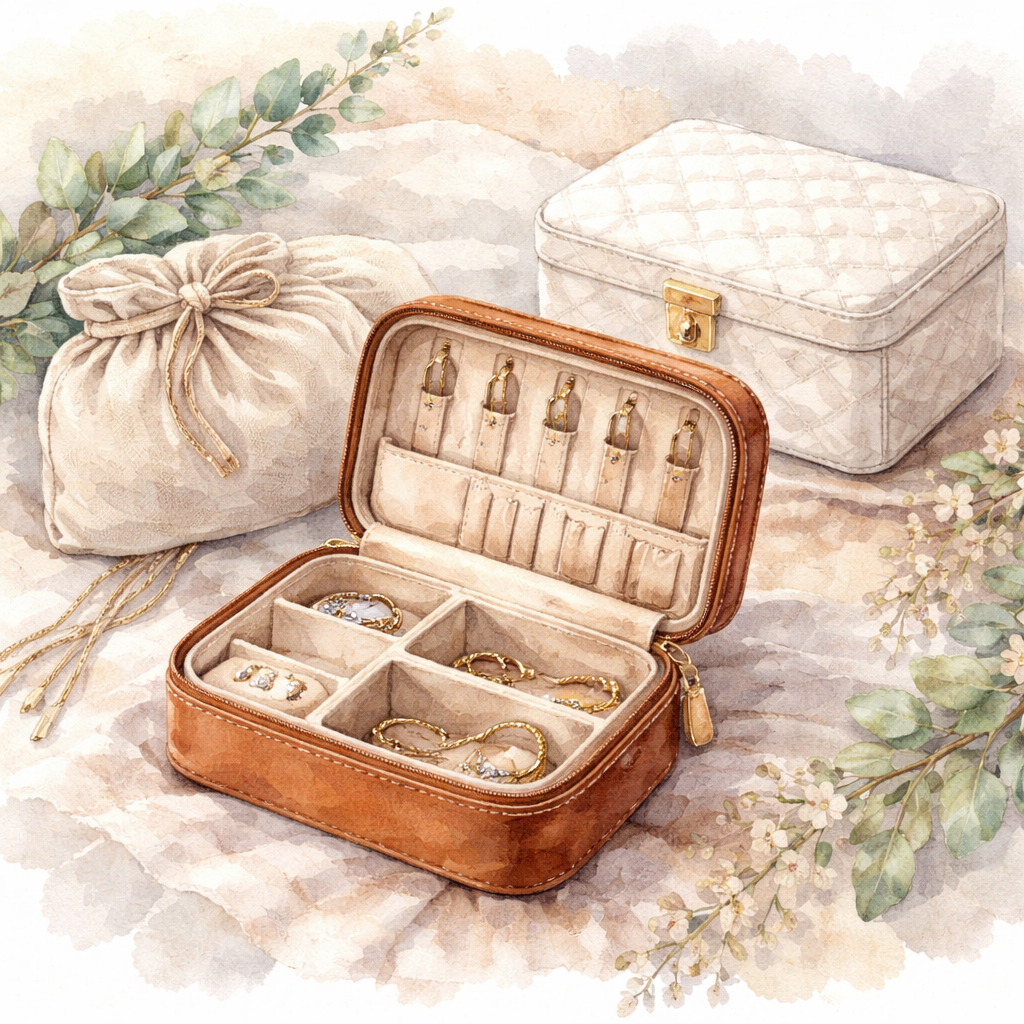
The material of the case decides how it feels, how it lasts, and how it protects. Three main options are leather, fabric, and hard‑shell.
Leather looks sleek and ages well. It feels soft inside and can hide scratches. But it needs care , keep it dry and use a leather balm every few months.
Fabric cases, often made from canvas or nylon, are light and fold flat. They are water‑resistant and easy to clean. The downside is they may wear out faster if you toss them around a lot.
Hard‑shell cases use polycarbonate or thin aluminium. They act like a tiny safe. They protect against drops and pressure in the overhead bin. They add a bit of weight, though.
Imagine you’re on a business trip to Tokyo. A leather case fits in a briefcase and looks professional. On a weekend backpacking trip, a fabric case folds into a side pocket.
Here’s a quick compare:
- Leather , classy, durable, needs conditioning.
- Fabric , light, cheap, may fade.
- Hard‑shell , tough, heavier, best for high‑value pieces.
Pick the one that matches your style and how rough your travel gets.
For more on material pros and cons, onjewelry loss trendsthat explains why protection matters.
Step 3: Evaluate Security Features
Security is a must. You want a case that keeps thieves out and stops pieces from moving inside.
Look for these key features:
- Zip closure with a sturdy pull.
- Magnetic lock or combination lock for extra safety.
- Hidden compartments that look like a regular notebook.
- Soft interior padding to stop scratches.
Below is a simple pros‑and‑cons table for common security options.
When you travel, you often have to put the case in a luggage compartment or on a hotel desk. A zip that closes cleanly and a lock that you can lock with a small TSA‑approved padlock give you double protection.
One traveler I know bought a case with a hidden notebook look. He said it saved his watch when a hotel cleaning crew opened the bag by mistake. The case looked like a plain notebook, so they left it alone.
Tip: Keep a tiny luggage lock in your pocket. You can snap it onto the case zip for extra peace of mind.
Step 4: Choose Size and Organization Layout
Size matters. Too small and you can’t fit all your pieces. Too big and it takes up space in your bag.
Start by listing every item you will wear on the trip. Group them: rings, watches, cufflinks, necklaces, bracelets.
Measure the longest necklace and the widest bracelet. Compare those numbers to the interior dimensions of the case. Add about a half‑inch buffer so pieces don’t get squeezed.
Here’s a step‑by‑step checklist:
- Write down each piece you plan to bring.
- Group by type.
- Measure the biggest item in each group.
- Match those measurements to case specs.
- Choose a case that has at least one dedicated slot per group and a little extra room.
Why does layout matter? A case with separate slots for rings, a padded tray for watches, and a hook for necklaces stops tangles and scratches.
For example, a traveler once packed a long chain necklace in a generic pouch. The chain tangled with a watch strap and the clasp broke. After switching to a case with a dedicated necklace hook, the problem vanished.
Look for these layout features:
- Ring slots with silicone rings.
- Watch tray with elastic strap.
- Necklace hook or sleeve.
- Small suede cups for earrings.
- Mesh pockets for quick‑grab items.
Read theTravel Packing Tips from Trufflefor more ideas on using pouches and straws to keep chains separate.
Step 5: Watch This Quick Setup Video
Seeing the case in action helps you pack faster. The video below walks you through loading rings, watches, and necklaces in the right order.
Follow the steps as they show them. Pause if you need more time for a delicate piece.
After the video, try a quick test. Zip the case, shake it gently. If nothing moves, you’ve packed it right.
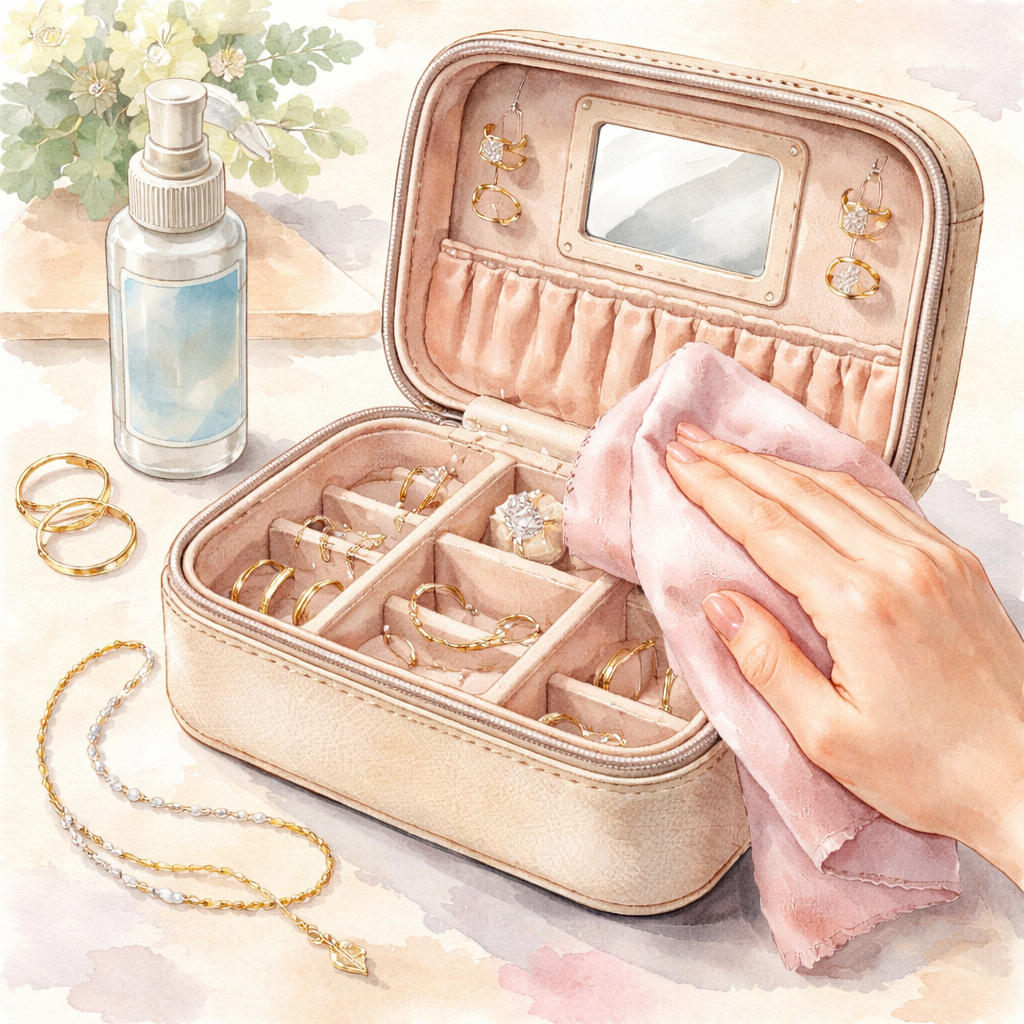
Step 6: Maintain and Clean Your Case
Keeping the case clean extends its life and protects your jewelry.
Here’s a simple routine:
- Wipe the outside with a soft dry cloth.
- If it’s leather, use a leather‑specific cleaner and a tiny dab of conditioner.
- For fabric, spot clean with mild soap and water.
- Check the interior padding for dust. Use a soft brush to clear it.
- Let the case air dry completely before storing jewelry.
Avoid harsh chemicals like bleach or alcohol. They can damage the lining and the outer material.
Store the case in a cool, dry place when not traveling. A drawer with a small silica‑gel packet works well.
One traveler shared that after a rainy flight, his fabric case got damp. He let it dry in a shaded area and the interior stayed fresh. No mold appeared because he let it dry fully.
For extra protection, add a tiny anti‑tarnish strip inside the case. It helps keep silver pieces bright on long trips.
Conclusion
Choosing the right diamond veneer travel jewelry case for men is about matching the case to your travel style, picking a material that feels right, adding security you trust, sizing it so everything fits, watching a quick video to learn the best layout, and caring for the case so it lasts.
When you follow these steps, you’ll never worry about lost or scratched pieces again. You’ll feel confident walking through security, opening your suitcase, and slipping on a favorite ring at the gate.
If you’re ready, browse the collection at Diamond Veneer and pick the case that fits your next trip. Happy travels, and keep your sparkle safe.
FAQ
What size case is best for a weekend trip?
A case around 5 × 5 × 2 inches works well for a short trip. It holds a few necklaces, a couple of rings, and a watch without taking up much space in a carry‑on. Test it by placing it in your bag; it should sit flat and not bulge.
Can I trust a zip‑only closure for expensive pieces?
A sturdy zip is fine if the interior has padded sections that keep pieces from moving. Add a small lock on the zip for extra peace of mind. Many travelers use a TSA‑approved lock on the zip and feel safe.
Do hard‑shell cases protect against airline pressure?
Yes. The rigid exterior resists crushing in the overhead bin. Look for a case with soft interior padding, so the hard shell doesn’t press directly on delicate stones.
How do I prevent humidity from ruining my jewelry?
Place a silica‑gel packet inside the case before you zip it. The packet soaks up moisture that can cause tarnish. Keep the case in a dry spot in your suitcase, not in a bathroom.
Is it okay to wear the case on a plane?
You can wear it if it’s small enough to fit in your lap or under the seat. Most airlines allow you to keep a zippered pouch in your personal item. Just be ready to remove it for the metal detector if asked.
How often should I clean the case?
Wipe the outside after each trip. Clean the interior once a month if you use it often. Use a soft cloth and a leather‑safe cleaner for leather, or mild soap for fabric. Let it dry fully before adding jewelry back in.