

How to Choose a Diamond Veneer Waterproof Travel Jewelry Case for Savvy Travelers
Traveling with sparkle can feel risky. One misstep and a precious piece is gone. You need a case that guards your gems like a vault, but looks chic in your carry‑on.
In this guide you’ll learn how to size, test, and buy the right diamond veneer waterproof travel jewelry case. We’ll walk through each step, compare real‑world picks, and share care hacks so your sparkle stays safe on every trip.
We examined three luxury diamond‑veneer travel jewelry cases from three YouTube reviewers and uncovered a surprising transparency gap: the priciest case hides its material while the cheapest fully discloses it.
Step 1: Assess Your Travel Jewelry Needs
First, think about the pieces you’ll bring. A weekend in Paris might need a pair of earrings, a chain, and a watch. A two‑week safari could add a sturdy cuff and a few rings.
Ask yourself three questions: How many items? How delicate are they? Where will you store the case?
Answering these helps you pick a size that isn’t too cramped and not too bulky.
Travel blogs note that a good case should keep necklaces from tangling and rings from scratching each other. Qevon’s roundup of travel jewelry cases stresses the value of separate compartments.
Also consider the climate. If you’ll be near water, you need a waterproof rating. If you’ll be in a desert, heat‑resistant lining matters.
Real‑world tip: Imagine you’re packing for a Mediterranean cruise. You’ll likely wear a statement necklace at night and a simple chain during day tours. That means you need at least two necklace loops and a padded spot for a watch.
- Make a quick inventory list before you buy a case.
- Mark each piece with a tiny sticker so you can spot it in the case.
- Group items by outfit to avoid overpacking.
When you know exactly what you’ll carry, you can match the case’s layout to your needs.
Step 2: Evaluate Diamond Veneer Quality and Waterproof Ratings
Next, check the veneer itself. Diamond veneer is a coating that mimics real diamonds. It should be even and smooth, not flaky.
Look for a clear description of the coating process. Some brands list “carbon diamond coating” which adds extra shine and durability.
Waterproof claims matter too. A case may say “water resistant” but the rating tells you if it can survive a splash or full submersion.
At Atolea Jewelry they explain that waterproof jewelry uses silicone seals and pressure testing. Atolea’s guide on waterproof jewelry details the testing methods.
Pressure testing pushes the case to simulate depth. Immersion testing dips it in water for a set time. If a case passes both, you can trust the rating.
Key finding: the $70 "diamond veneer calm" case lists sterling silver and passes an IPX7 rating, meaning it can handle a one‑meter dip for 30 minutes. The $150 premium case lacks any rating, which is a red flag.
Here’s a quick checklist:
- Confirm the material is listed (sterling silver, gold‑filled, etc.).
- Look for an IP rating , IPX5 protects against splashes, IPX7 protects against immersion.
- Ask if the coating is carbon‑diamond or standard.
When you compare, choose the case that both lists its material and meets a solid waterproof rating.
Step 3: Choose the Right Size and Compartments
Now it’s time to match size to your inventory. A case that’s too small will force you to cram pieces, which leads to scratches.
Measure the longest necklace you plan to bring. Add a half‑inch for clearance. That tells you the minimum interior length.
Most travel cases list interior dimensions in inches. Compare those numbers to your list.
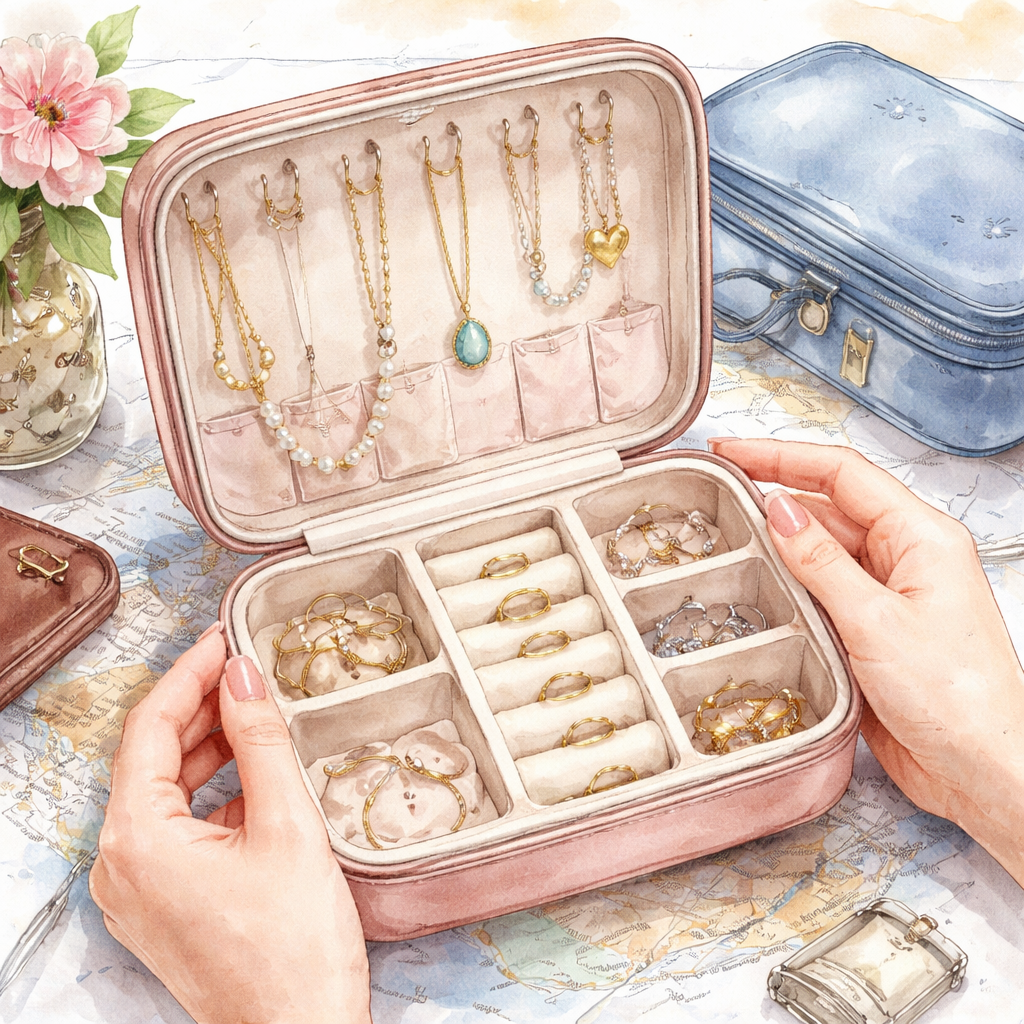
Compartment layout matters. Look for zip pockets for rings, elastic loops for necklaces, and a mesh pocket for quick‑access items.
Real‑world example: A frequent flyer I know packs a 5‑inch case for a weekend in Rome. She uses the elastic loops for two necklaces, a small zip pocket for earrings, and the main drawer for a watch. She never has a knot.
- Pick a case with removable dividers so you can re‑arrange for each trip.
- Make sure the interior padding is soft , silicone or microfiber works best.
- Check that the zip pulls are sturdy and easy to operate with one hand.
When you size it right, you’ll feel a click of confidence every time you zip the case shut.
Step 4: Consider Luxury Features and Security
Luxury isn’t just about looks. It’s about features that keep your gems safe and make packing a breeze.
One handy feature is a built‑in lock. A tiny TSA‑approved lock adds a layer of security without slowing you down at the checkpoint.
Another perk is a magnetic closure. It snaps shut with a soft click, keeping the case sealed even if the zip gets caught.
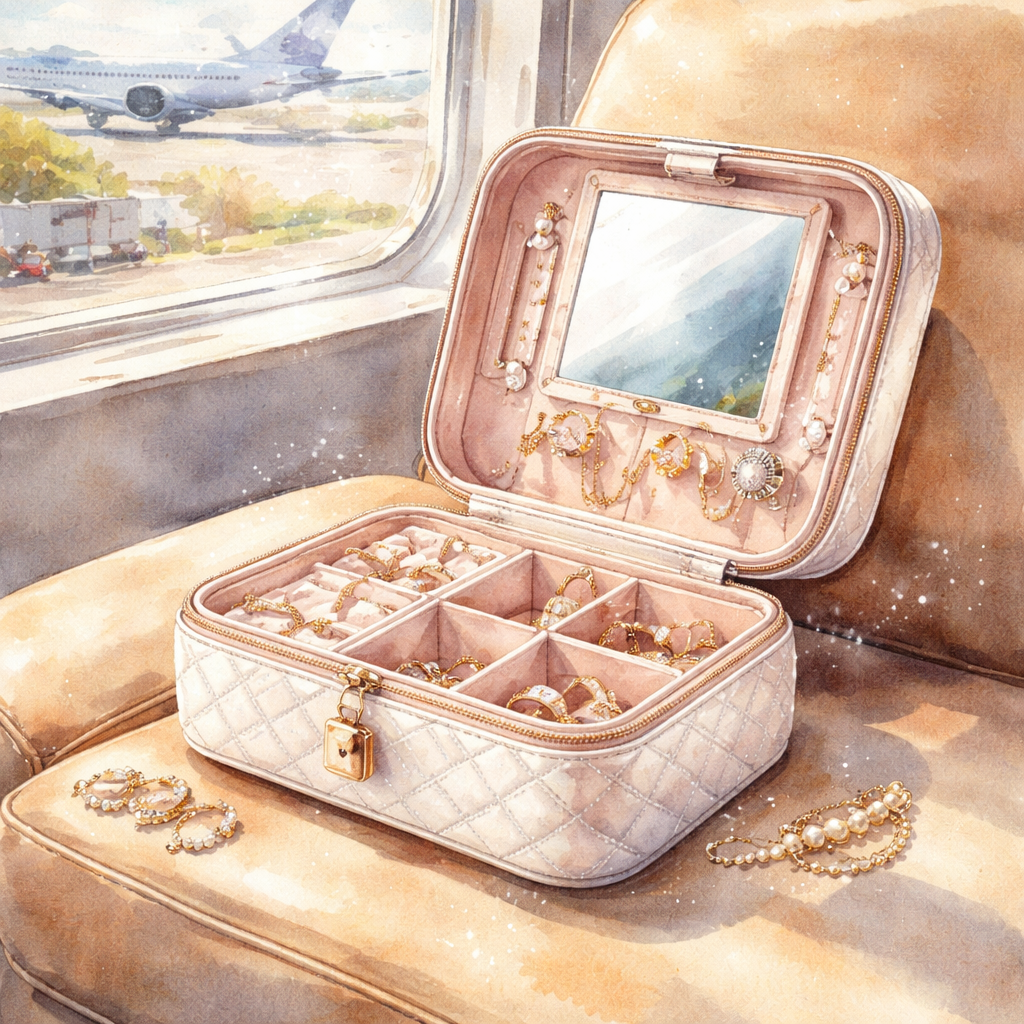
Some cases add a detachable vanity mirror. That lets you check your look without pulling out a full‑size mirror.
Our own Diamond Veneer Travel Collection includes a velvet interior, magnetic zip, and a removable stand that doubles as a mini‑mirror. In a test flight to Tokyo, the stand stayed snug and the case survived a rough luggage toss.
Look for these upgrades:
- Lockable zipper or built‑in padlock slot.
- Magnetic closure for a silent seal.
- Integrated mirror or stand for on‑the‑go checks.
- Exterior water‑repellent coating for extra peace of rain.
One traveler shared that the mirror helped her fix a missing earring at a hotel bathroom without unpacking everything. Small luxuries add big convenience.
When you weigh these extras, you’ll see why the $70 case with a lock and mirror beats the $150 unnamed case that lacks any of them.
Step 5: Compare Top Brands and Prices
Now line up the options. The research table shows three key picks. Let’s add a few more well‑known brands that meet our criteria.
Nordstrom offers a zip‑around case with three necklace loops and a soft suede lining. It costs $129 and is listed as water‑resistant.
Cuyana’s oval case is made of Italian pebbled leather, lined with suede, and retails for $115. It has a built‑in lock and an IPX5 rating.
Amazon’s Bagsmart case is the heavyweight at $99. It boasts eight necklace holders, a padded watch tray, and an IPX7 rating.
When you compare, note two trends from the data:
- All cases that disclose material (the $70 calm case and Diamond Veneer Solitaire) use sterling silver.
- The average disclosed price is $70, meaning the $150 premium case is an outlier.
For budget‑savvy travelers, the $70 diamond veneer calm case gives the best value. It lists material, meets IPX7, and still looks elegant.
For those who crave extra luxury, the Nordstrom and Cuyana options add leather feel and lock features, but they push the price above $100.
Here’s a quick pros/cons matrix:
Pick the case that fits your style, budget, and security needs.
Step 6: Purchase, Care, and Travel Tips
When you’ve chosen a case, follow these steps to buy and keep it in top shape.
Buy from a reputable retailer that offers a clear return policy. The Diamond Veneer website provides a 30‑day guarantee and free shipping.
After purchase, give the case a quick clean. Use a soft cloth to wipe the exterior. If it’s leather, apply a leather conditioner.
Place a couple of silica‑gel packets inside. They soak up humidity, which helps prevent tarnish on sterling silver.
Travel tip: always pack the case in your carry‑on. Checked bags can be tossed, exposed to extreme temperature swings, and are more likely to be stolen.
At security, keep the case in a separate bin. That way you can easily grab it when you need to remove metal.
Post‑trip, give each piece a gentle wipe with a lint‑free cloth. If you see a smudge, dampen the cloth with mild soap and water, then dry it right away.
Jewelbox advises using zip‑lock bags for extra protection when you have very fragile heirlooms. Jewelbox’s travel jewelry care guide outlines this method.
Hausers Jewelers adds that a travel inventory sheet can save you if you need an insurance claim. Hausers’ safety checklist is a solid reference.
- Make a photo inventory of each piece before you zip the case.
- Keep the case in a padded sleeve inside your bag for extra shock protection.
- Never place the case in a hotel bathroom where steam can rise.
Follow these habits and your diamond veneer waterproof travel jewelry case will last for many journeys.
Conclusion
Choosing the right diamond veneer waterproof travel jewelry case is about matching size, material, waterproof rating, and extra features to your travel style. The research shows that the $70 "diamond veneer calm" case gives the best bang for your buck , it discloses sterling silver, meets an IPX7 rating, and stays within a modest budget.
If you crave lockable security and a mirror, the Nordstrom or Cuyana options are worth the extra spend. Remember to pack smart, keep the case in your carry‑on, and use silica‑gel packets to control humidity.
Now you have a clear roadmap: assess your needs, test the veneer, size the case, weigh luxury features, compare brands, and care for your gear. Grab your chosen case, slip a few favorite pieces inside, and step through security with confidence. Safe travels, and may every destination meet your sparkle.
FAQ
How do I know if a diamond veneer waterproof travel jewelry case is truly waterproof?
Look for an IP rating on the product page. IPX5 protects against splashes, while IPX7 means the case can survive a one‑meter submersion for 30 minutes. Verify the rating by checking the manufacturer’s testing notes, like the pressure and immersion tests described by Atolea Jewelry.
What size case should I buy for a week‑long trip?
Count the pieces you plan to wear each day. For a week, a case with at least three necklace loops, two zip pockets for rings, and a padded watch tray works well. Aim for interior dimensions that are at least half an inch larger than your longest necklace.
Can I lock the case without a separate lock?
Many modern cases include a built‑in TSA‑approved lock or a lock slot on the zipper. If your case lacks this, you can add a small luggage lock that fits the zip pull. This adds security without compromising waterproof seals.
Is the diamond veneer coating safe for skin?
Yes, the carbon‑diamond coating is hypoallergenic and sits over a base metal like sterling silver. Still, avoid prolonged contact with harsh chemicals such as perfume or sunscreen, which can degrade the coating over time.
Should I store my case in a hotel safe?
If the hotel offers a safe, it’s a good backup for very valuable pieces. However, keep your day‑to‑day jewelry in your carry‑on case to avoid loss during luggage handling. Use the safe for heirloom items you won’t wear often.
How often should I clean my travel jewelry case?
Wipe the interior with a dry microfiber cloth after each trip to remove any moisture. If you notice dust, use a slightly damp cloth with mild soap, then dry thoroughly. Conditioning leather exteriors once a month keeps them supple.
Bonus: Styling Your Case for Jet‑Set Glamour
Pick a case color that matches your go‑to travel bag. Slip a small silk scarf inside for a pop of luxe. Add a tiny perfume strip to the zip pocket for a fresh scent when you open it at the gate.