

How to Keep Gold Plated Jewelry from Tarnishing: Practical Tips and Care Guide
You know that moment when you pull out a fresh gold‑plated necklace after a weekend getaway, only to see a dull spot where the sparkle should be?
It’s frustrating, especially when you’ve chosen a piece that’s meant to travel light and look luxurious every time you step out.
That’s why we’ve spent countless hours figuring out how to keep gold plated jewelry from tarnishing, even when it’s packed tight in a suitcase or exposed to a sudden rain shower.
In our experience, the biggest culprits are moisture, sweat, and abrasive contact with other accessories.
So, let’s start with the basics: always store each item separately, preferably in a soft‑lined pouch or a compartment that keeps it from rubbing against zippers or metal clasps.
A quick tip that many overlook is to give your pieces a gentle wipe with a lint‑free cloth after every wear – a light swipe removes oils before they have a chance to react with the plating.
If you know you’ll be traveling to humid climates, consider slipping a tiny silica gel packet into the jewelry bag; it soaks up excess moisture without adding bulk.
And don’t forget to avoid harsh chemicals – even a splash of perfume or a spritz of hairspray can accelerate tarnish, so let the jewelry dry completely before you apply any scented products.
What we’ve also seen work wonders is a brief dip in warm, soapy water followed by a thorough rinse and air‑dry on a soft towel; this gives the plating a fresh start without stripping it.
Sound like a lot? Not at all – these habits slip into your routine as naturally as slipping on your favourite travel shoes.
Ready to keep that golden glow looking runway‑ready, no matter how many time zones you cross?
Let’s dive in and explore the step‑by‑step routine that will make tarnish a thing of the past.
TL;DR
Ever notice dull spots on your gold‑plated necklace after a weekend trip? We show you how to keep gold plated jewelry from tarnishing using easy storage tips, a lint‑free wipe, silica‑gel moisture control, and a quick effortlessly warm‑soapy dip—so your sparkle stays runway‑ready wherever you go on any travel adventure.
Step 1: Clean the Jewelry Properly
Let me be blunt: if you skip proper cleaning, even the best gold plated pieces will look tired fast. You know that tiny dull patch that shows up on the chain after a night out? That’s usually oil, sweat, or perfume starting a chemical handshake with the plating.
So, how to keep gold plated jewelry from tarnishing starts with a gentle, repeatable cleaning habit. In our experience at Diamond Veneer Travel Jewelry, a quick, careful clean after every wear makes the biggest difference.
Quick checklist before you start
Gather a small bowl, warm water (not hot), a drop of mild dish soap, a lint-free cloth, and a soft-bristled toothbrush or cotton swab. That’s it. No harsh cleaners, no baking soda scrubs, no toothpaste.
- Warm water, mild soap
- Soft cloth and soft brush
- Thorough rinse, gentle air dry
Ready? Let’s walk through the step-by-step so you actually do this, even when you’re packing for a trip.
Step-by-step cleaning
1. Mix: Fill the bowl with warm water and a single drop of mild, phosphate-free dish soap. The water should feel cozy, not hot. Hot water can loosen plating over time.
2. Dip and swish: Submerge the piece for 10–20 seconds and swirl gently. Think of it like a quick coffee rinse, not a soak. You just want oils and surface dirt to loosen.
3. Target the nooks: Use the soft toothbrush or a cotton swab to very gently clean crevices—clasps, settings, chain links. Take tiny, careful strokes. No scrubbing like you mean it.
4. Rinse well: Hold under a gentle stream of cool water to wash away soap residue. Soap left behind can attract grime later, so rinse until it feels clean.
5. Dry properly: Pat with a lint-free cloth and then lay the piece flat to air-dry completely. Do not tuck damp jewelry into pouches or boxes. Moisture trapped against plating is how tarnish starts.
Sound like a lot? It’s five minutes. Worth it.
Okay, a couple of extra, real-world tips so you don’t accidentally erase the plating while trying to clean it.
Avoid chemical cleaners and ultrasonic machines. Those are for solid gold and genuine gemstones—your gold plated travel pieces need mercy, not muscle.
If you spot stubborn buildup on costume stones, use a single cotton swab dipped in the soapy water and work slowly. Replace the swab often so you’re not rubbing grit back into the metal.
Want a low-maintenance trick? After drying, buff gently with a clean microfiber cloth. It removes micro-oils and restores shine without abrasion.
How often should you clean? A quick wipe after each wear and a proper bath weekly for pieces you wear often. For travel favorites, pack a tiny kit: a travel-sized soft cloth and a small bottle of mild soap. That little routine keeps your jewelry runway-ready through flights, hotel showers, and humid afternoons.
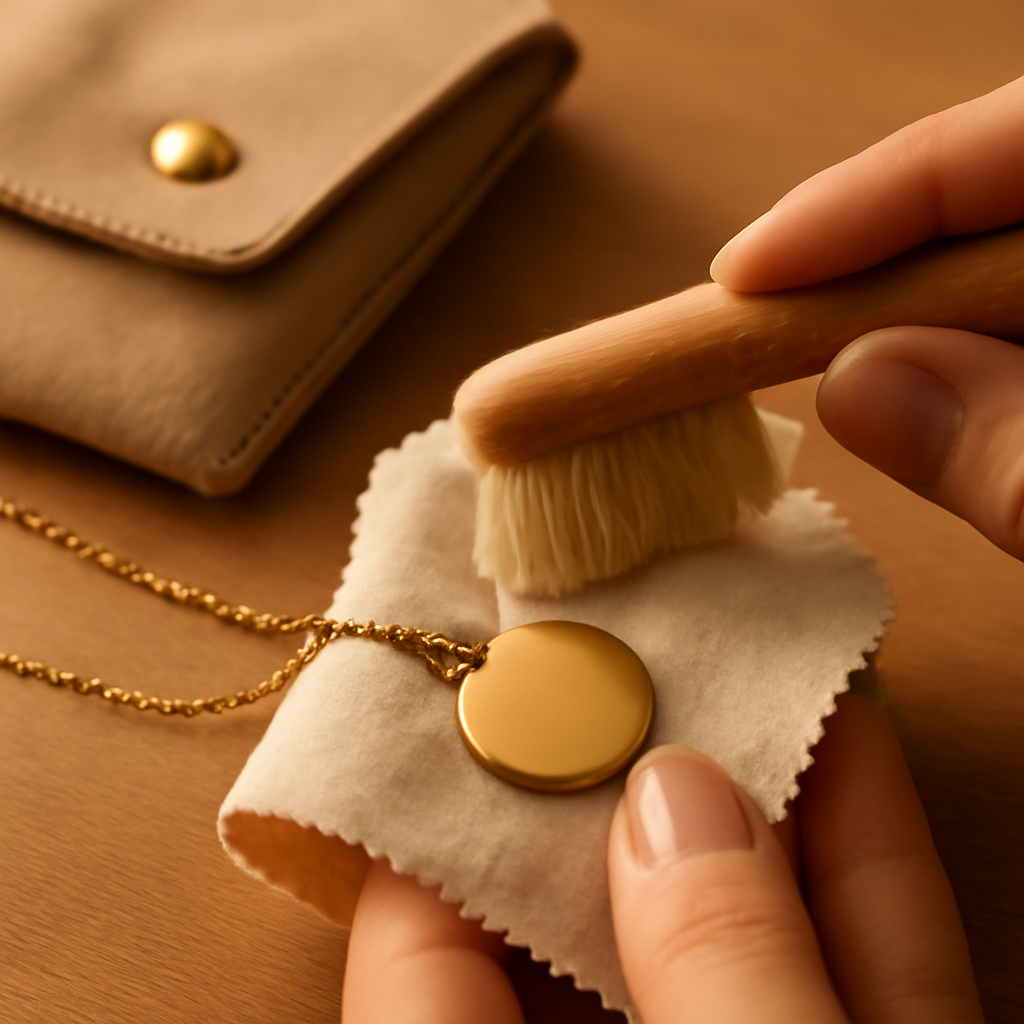
Final note: consistency beats obsession. Clean gently, dry thoroughly, and you’ll cut most tarnish problems off at the pass.
Step 2: Dry and Store Correctly
Alright, you’ve just given your gold‑plated necklace a quick swipe and a gentle soak. The next game‑changer is what you do before it goes back into its pouch. If you skip the drying and storage step, you’re basically handing moisture a backstage pass to tarnish your piece.
Why drying matters
Even a tiny film of water left on the surface can trap oxygen and speed up the oxidation of the base metal beneath the gold layer. That’s why you’ll notice a faint dull spot if you tuck a damp piece straight into a bag. A thorough dry creates a barrier that keeps the plating intact longer.
Step‑by‑step drying routine
1️⃣ Lay the jewelry on a soft, lint‑free towel. Pat—not rub—the piece until the surface feels completely dry. Rubbing can generate micro‑abrasions that wear down the thin gold coating.
2️⃣ If you’re in a humid climate (think Bangkok or Miami), give the piece a few minutes of air‑dry in a low‑humidity spot. A small fan on low speed works wonders without blowing dust onto the jewelry.
3️⃣ For items with intricate settings—like a halo of cubic zirconia—use a cotton swab dipped in a dry cloth to reach crevices. This ensures no hidden droplets are left behind.
Creating a moisture‑free storage environment
Now that the piece is bone‑dry, it needs a home that stays dry. Here are the must‑haves for any travel‑savvy jewelry lover:
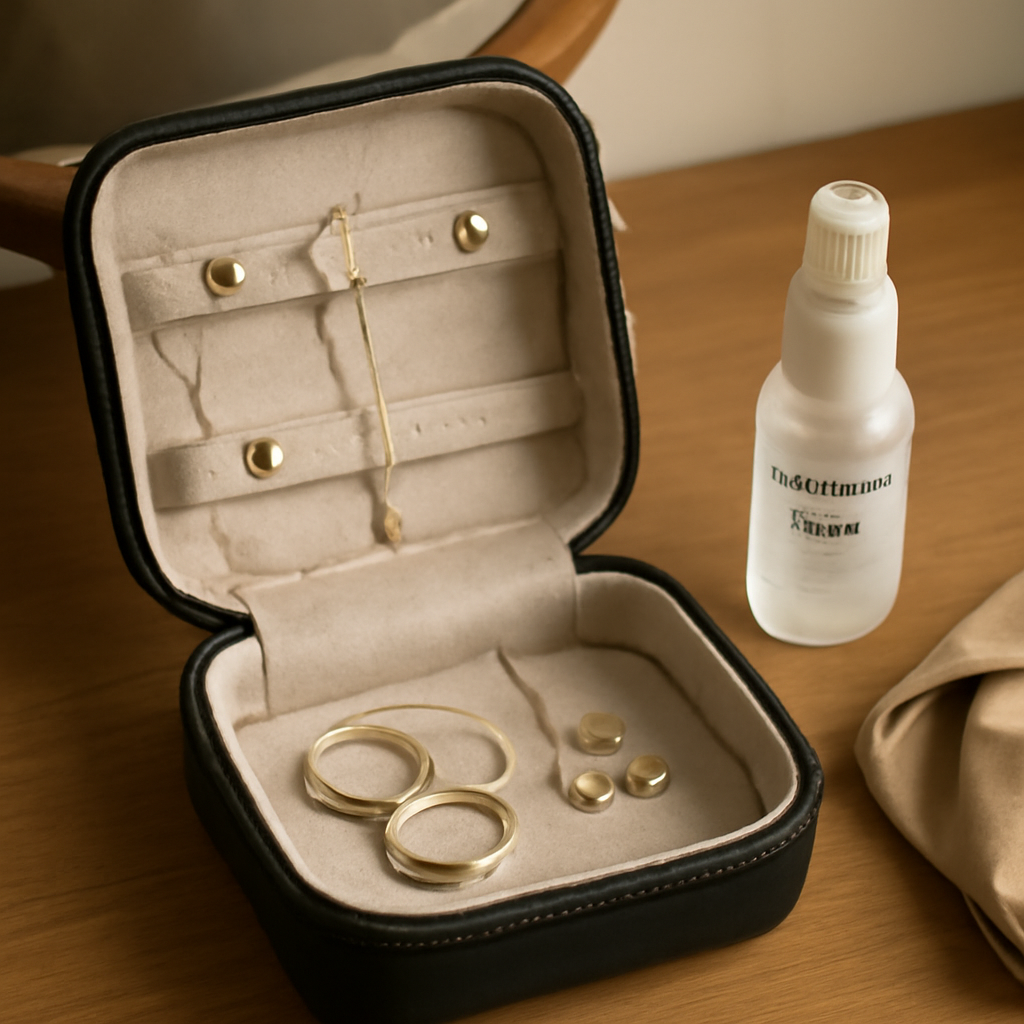
- Individual pouches. Each gold‑plated item gets its own soft‑lined pouch (velvet, flannel, or microfiber). This prevents friction and eliminates the “pile‑up problem” that scratches plating.
- Silica‑gel packets. Slip one tiny packet into each pouch. They absorb lingering humidity and can be refreshed in the oven every few months.
- Airtight containers. For longer trips, zip‑lock bags or a small hard‑shell case with foam inserts keep air exchange to a minimum.
We’ve seen travelers keep a spare silica‑gel packet in their carry‑on, swapping it out after each flight. The result? Their gold‑plated cuffs stay glossy even after a week in a humid cabin.
Location, location, location
Store the pouch in a cool, dry drawer—not the bathroom. Showers pump out steam that spikes humidity levels, and temperature swings can cause condensation on metal surfaces. A bedroom dresser or a dedicated jewellery box works best.
For those who love a nightstand vanity, consider a velvet‑lined jewelry box with built‑in anti‑tarnish strips. The strips actively absorb sulfur compounds, one of the biggest culprits behind yellowing.
Real‑world examples
Case 1: Maya (a frequent‑flyer) kept her gold‑plated hoop earrings in a zip‑lock bag with a silica‑gel packet. After a month of hopping between New York, Dubai, and Tokyo, the earrings looked as fresh as the day she bought them.
Case 2: Carlos, an avid scuba diver, stored his gold‑plated pendant in a waterproof pouch that also had a small silica‑gel sachet. Even after a weekend on a tropical reef, the piece showed no signs of tarnish.
Expert tip
According to jewelry experts, swapping out the silica‑gel packets every three months maintains their absorption capacity. If you can’t find packets, a few grains of uncooked rice in the pouch work as a temporary moisture absorber—just remember to replace them regularly.
And remember, a quick visual check every few weeks helps you spot any early signs of discoloration before they become permanent. A light buff with a dry microfiber cloth can often rescue a spot that’s started to dull.
Bottom line: dry thoroughly, store individually, control moisture, and pick a stable location. Follow these steps and you’ll master how to keep gold plated jewelry from tarnishing—even when your suitcase is packed to the brim.
Step 3: Apply Protective Coatings
Why a coating matters
Even after you clean, dry and store your pieces perfectly, the thin gold layer is still vulnerable to the occasional splash of humidity or a stray perfume mist. A protective coating acts like an invisible rain‑coat – it lets the jewelry look glossy while keeping moisture and oxygen at bay.
Think about that moment when you open your travel bag after a long flight and the air feels a bit stale. If a droplet lands on a bare gold‑plated pendant, it can start a tiny oxidation reaction that, over weeks, turns a bright sparkle into a dull spot.
Choosing the right protective product
Not all sprays are created equal. Look for products labeled “anti‑tarnish” or “protective lacquer” that are specifically formulated for delicate metals. They’re usually water‑based, quick‑dry, and leave a thin, clear film that won’t yellow.
We’ve tried a few on the road – the ones that feel tacky or leave a sticky residue tend to attract dust, which defeats the purpose. The best ones disappear completely, so you can still see the true colour of the gold plating.
DIY options you can trust
If you’re traveling light and don’t want to carry an extra bottle, a tiny dab of clear nail polish can double as a temporary shield. Just make sure it’s a thin layer; a thick coat can look clumpy and may chip off when you handle the piece.
Another home‑grown trick is to use a few drops of a clear silicone sealant (the kind you’d use for waterproofing electronics). Apply with a cotton swab, let it dry for 10‑15 minutes, and you’ve got a flexible barrier that won’t crack easily.
Step‑by‑step: applying the coating
1️⃣ Start with a piece that’s absolutely clean and bone‑dry. Any residue will get trapped under the film and create a cloudy spot.
2️⃣ Lay the jewelry on a lint‑free towel in a well‑ventilated area – ideally away from direct sunlight.
3️⃣ Hold the spray can about 8‑10 inches away and give a light, even mist. Think of it as a gentle perfume for your necklace, not a down‑pour.
4️⃣ If you’re using a brush‑on product, dip a soft, synthetic brush into a few drops and glide it across the surface in one smooth motion.
5️⃣ Let the coating cure completely. Most formulas need 5‑10 minutes, but if you have time, give it an extra 15‑minute set‑up to be safe.
6️⃣ After it’s dry, give the piece a quick once‑over with a dry microfiber cloth to remove any stray particles.
Real‑world travel tip
Picture this: you’re hopping between a humid Bangkok market and a crisp London morning. Slip a tiny spray bottle into your carry‑on – it’s about the size of a lipstick. Every time you notice condensation inside your jewelry pouch, a quick mist seals the piece again. No mess, no extra weight.
We’ve seen customers keep a mini anti‑tarnish bottle in every suitcase. The result? Their gold‑plated cuffs stay shiny from the first day in Tokyo to the last night in Paris.
Maintenance after coating
Even the best barrier isn’t forever. Check the finish every two weeks – if you see a faint haze, it’s time for a light re‑application. A gentle wipe with a dry cloth will remove any surface dust before you spray again.
And remember, avoid harsh chemicals after you’ve coated the piece. Perfume, hairspray or chlorine can break down the film faster than you’d expect.
Bottom line: a thin, clear protective coat is the final armor in your “how to keep gold plated jewelry from tarnishing” arsenal. It’s cheap, quick, and works wonders for the jet‑setting woman who refuses to let a little moisture dull her sparkle.
Step 4: Avoid Tarnish Triggers
Okay, you’ve cleaned, dried, stored, and even sprayed a protective coat on your gold‑plated pieces. The next thing you need to do is keep the little things that spark tarnish from ever touching the metal. It sounds simple, but the everyday habits we all fall into can be sneaky culprits.
First, let’s talk about the biggest invisible enemy: sweat mixed with perfume. You know that moment when you finish a long flight, pop the zip‑top on your bag, and instantly smell your own perfume wafting over the jewelry? The alcohol and oils in fragrance can react with the base metal underneath the gold layer, causing that dreaded dull spot.
1️⃣ Keep fragrance off the metal
Make gold‑plated jewelry the last thing you put on and the first thing you take off. A quick tip is to spray perfume on the clothing first, let it settle for a minute, then dress. This gives the scent time to evaporate before it can settle on metal.
For an extra safety net, keep a tiny travel‑size hand‑sanitizer (alcohol‑free) in your pouch. A single dab on the inside of the pouch creates a barrier that absorbs any stray spray.
2️⃣ Say goodbye to harsh chemicals
Hairspray, deodorant, and even some makeup setting sprays contain sulfates and chlorine‑based compounds that accelerate oxidation. If you’re heading into a humid environment, ditch the hairspray for a light mist of water before you spritz the hairspray – it dilutes the chemicals and reduces the impact on your jewelry.
What we’ve seen work for frequent travelers is to stash a mini “no‑spray” zone inside the travel bag: a small zip‑lock bag with a silicone sleeve where you keep earrings and delicate necklaces separate from any aerosol products.
3️⃣ Watch the water
Salt water, chlorinated pool water, and even plain tap water can leave mineral deposits that act like tiny sandpaper on the plating. The rule of thumb? Remove gold‑plated pieces before you dive, swim, or take a shower. If you accidentally get them wet, rinse immediately with fresh water, pat dry, and re‑apply your protective coating within a few hours.
Here’s a real‑world scenario: Maya, a frequent‑flyer, kept a spare silicone‑seal pouch in her carry‑on for beach days. After a sudden splash in the Caribbean, she rinsed the necklace, dried it, and gave it a quick mist of anti‑tarnish spray. The piece stayed gleaming for the rest of her trip.
4️⃣ Avoid metal‑on‑metal friction
Even the softest velvet pouch can let a tiny metal clasp scrape against a plated chain. The solution? Slip a thin piece of felt or a folded tissue between any parts that might touch. It’s a habit that takes a second, but it stops micro‑scratches that expose the base metal.
For those who love layered looks, use a “jewelry separator” – essentially a small, reusable plastic card with cut‑outs that keeps each piece in its own compartment. It’s cheap, travel‑friendly, and looks sleek in any suitcase.
| Trigger | Why it Tarnishes | Quick Fix |
|---|---|---|
| Perfume & Hairspray | Alcohol & sulfates react with base metal | Apply fragrance after jewelry; use a hand‑sanitizer barrier |
| Water (salt, chlorinated, tap) | Mineral deposits & oxidation | Rinse immediately, pat dry, re‑coat |
| Metal‑on‑metal contact | Micro‑scratches expose underlying alloy | Insert felt/tissue or use a jewelry separator |
And because some readers love the science behind it, here’s a nugget from the experts: gold‑plated pieces with a thicker microns layer are naturally more resistant, but everyday triggers still matter. That’s why we always recommend a “no‑touch” policy for anything that smells or feels chemical.
One more thing you might not have thought about – temperature swings. When you move from a chilly airplane cabin to a warm tropical lounge, condensation can form on metal surfaces. A quick wipe with a dry microfiber cloth before you stash the piece back in its pouch saves you from that hidden moisture.
Finally, a gentle reminder to check your jewelry every two weeks. A faint gray hue is the early warning sign that a trigger has slipped through. Spot‑clean with a dry cloth, re‑apply your protective spray, and you’ll be back to runway‑ready shine.
By keeping these everyday triggers at bay, you’re not just preserving the look – you’re extending the life of the piece for years of travel adventures.
Want to dive deeper into metal finishes? Check out our guide on What Is Rhodium Plating on Jewelry? A Complete Guide for more on how different coatings can boost durability.
Step 5: Regular Maintenance Schedule
Alright, you’ve got your cleaning, drying, storage, and coating down to a science. The missing piece is a simple rhythm you can follow without pulling out a spreadsheet – a regular maintenance schedule that fits into your travel routine.
Why a schedule matters
Ever notice that a piece that looked flawless on Monday suddenly shows a faint gray line by Friday? That’s the gold layer reacting to tiny amounts of sweat, humidity, or stray perfume that slipped past your last wipe. A quick check every few days catches the early warning signs before they become permanent.
So, what does a “maintenance schedule” actually look like when you’re hopping between airports, cafés, and hotel rooms?
Daily quick‑check (1‑2 minutes)
When you pull your jewelry out of the pouch in the morning, give it a once‑over with a dry microfiber cloth. You’re not polishing; you’re just sweeping away any moisture that collected overnight.
If you spot a smudge, a light buff will usually restore the shine. No need for water or soap – the piece is already clean from your previous routine.
Mid‑trip touch‑up (once per 3‑4 days)
After a long flight or a day spent at the beach, the environment changes dramatically. Slip the piece into a sink of warm, soapy water for a quick 5‑minute soak, then rinse with distilled water and pat dry. This is the same “warm‑soapy dip” we described earlier, but now it’s part of a timed habit.
According to Bling Authority’s care guide, consistent gentle cleaning dramatically extends the life of gold‑plated items, especially in high‑friction areas like bracelets or anklets.
Weekly deep‑care (5‑10 minutes)
Pick a day when you’re already unpacking or doing laundry. Remove each piece from its pouch, inspect for any discoloration, and give it a full clean using the step‑by‑step method from earlier sections. Once it’s dry, re‑apply your protective coating – a light mist of anti‑tarnish spray or a dab of clear nail polish works well.
Don’t forget to swap out the silica‑gel packets in each pouch. A quick 5‑minute bake in a low oven (about 120 °F) revives their moisture‑absorbing power for the next leg of your journey.
Monthly audit (10‑15 minutes)
When you’re back home, pull every gold‑plated item out of storage and lay them on a clean towel. Look for any lingering gray or green tones. If you see a spot, give it a focused buff, then re‑coat. This is also the perfect time to consider whether a piece could benefit from replating – a service many jewelers offer, and one that can revive a beloved item for another season of travel.
Boera Jewelry explains that replating can be a cost‑effective way to extend the lifespan of gold‑plated pieces, especially when you’ve cared for them well over the years (see details).
Travel‑ready checklist
- Morning: dry‑cloth check.
- Every 3‑4 days: quick soak & dry.
- Weekly: full clean + protective coating.
- Monthly (at home): deep inspection + possible replating.
- Every trip: replace or recharge silica‑gel packets.
Does this sound like a lot? Not really. Think of it as a mini‑ritual you’d do before your coffee – it only takes a minute or two, but the payoff is a piece that stays runway‑ready no matter how many time zones you cross.
And here’s a little secret: setting a phone reminder with a simple “Jewelry check” label keeps you honest. You’ll be surprised how often you forget until the alarm goes off.
Bottom line: a regular maintenance schedule turns occasional cleaning into a habit, and habits are what keep gold‑plated jewelry from tarnishing over the long haul. Stick to the rhythm, and your pieces will stay as bright as the day you first slipped them on.
Conclusion
So there you have it – a handful of habits that turn a shiny travel companion into a lifelong sparkle partner.
First, a quick wipe after each wear keeps sweat and perfume from setting in. Then a warm, soapy dip every few days wipes away any hidden grime. Dry it thoroughly, stash it in its own soft pouch, and toss a silica‑gel packet in there for humidity‑prone trips.
Next, a thin protective coating acts like an invisible rain‑coat, buying you weeks of extra shine. Finally, set a simple “Jewelry check” reminder on your phone and you’ll never miss a chance to spot a dull spot before it spreads.
Quick takeaway
- Dry‑cloth check each morning.
- Soak & dry every 3‑4 days on the road.
- Full clean + coating weekly.
- Monthly home audit – consider replating if the gold looks thin.
- Refresh silica‑gel packets each trip.
In our experience, travelers who treat their gold‑plated pieces like a mini‑ritual return to the suitcase feeling confident that their jewellery will stay runway‑ready, no matter the time zone. Ready to make that habit part of your packing routine? Grab a microfiber cloth, a tiny bottle of anti‑tarnish spray, and let your sparkle travel as far as you do today.
FAQ
What’s the simplest daily habit to keep my gold‑plated necklace from tarnishing while traveling?
Grab a dry microfiber cloth each morning and give the piece a quick swipe before you slip it back into its pouch. It only takes a second, but that light buff removes any moisture or sweat that settled overnight. In our experience, that one‑minute habit stops the dull spot before it even thinks about forming.
How often should I actually soak my gold‑plated earrings in warm, soapy water?
We recommend a gentle soak every 3‑4 days on a trip, especially after a humid flight or a beach day. Fill a bowl with lukewarm water, add a couple drops of mild dish soap, let the earrings sit for five minutes, then rinse and pat dry. That rhythm keeps the plating bright without over‑cleaning.
Can I use a clear nail polish as a protective coating, or is there a better travel‑friendly option?
A thin layer of clear nail polish works in a pinch because it creates a flexible seal that won’t yellow. Just dab a tiny amount with a cotton swab and let it dry 10‑15 minutes. If you travel often, a travel‑size anti‑tarnish spray is lighter, but the nail polish trick is a reliable backup you can find in any vanity kit.
What’s the best way to store multiple gold‑plated pieces together without scratching them?
Give each item its own soft‑lined pouch or a small zip‑lock bag, then slip a tiny silica‑gel packet inside. If you’re packing several pieces, place a thin felt or tissue sheet between them – think of it as a tiny “buffer zone.” This prevents metal‑on‑metal friction and absorbs any lingering humidity.
Are there any everyday products I should avoid putting near my gold‑plated jewelry?
Yes – keep perfume, hairspray, and deodorant away from the metal. Those chemicals contain alcohol and sulfates that react with the base alloy. Apply fragrance to clothing first, let it settle, then put on your jewelry. A quick tip is to keep a small alcohol‑free hand sanitizer pad in your pouch; it soaks up stray spray before it reaches the gold.
How do I know when it’s time to re‑plate a gold‑plated piece?
When the shine starts to fade in multiple spots despite regular cleaning, coating, and storage, the gold layer is likely thinning. A visual cue is a persistent gray or green hue that won’t come off with a dry cloth. In that case, consider professional replating – it’s far cheaper than buying a new piece and gives your favorite item a fresh lease on life.
What quick check can I add to my travel routine to catch early signs of tarnish?
Set a phone reminder titled “Jewelry check” for every two‑day interval. When the alarm goes off, pull your jewelry out, glance for any dull patches, and give it a brief buff with a dry cloth. If you spot a spot, follow the quick‑soak routine and re‑apply your protective coating. This tiny habit keeps your sparkle runway‑ready without any extra baggage.